SBS drone strike on GRU command post in Donetsk region — 51 killed, 74 wounded
A nighttime reconnaissance-strike operation by the Unmanned Systems Forces hit the headquarters of the 14th GRU Brigade in occupied Berdyansk — a strike that deals a blow to the command and combat capability of the special operations unit.

By Tetiana Suchkova-Ladik
December 28, 2025 · 2 min read
What happened
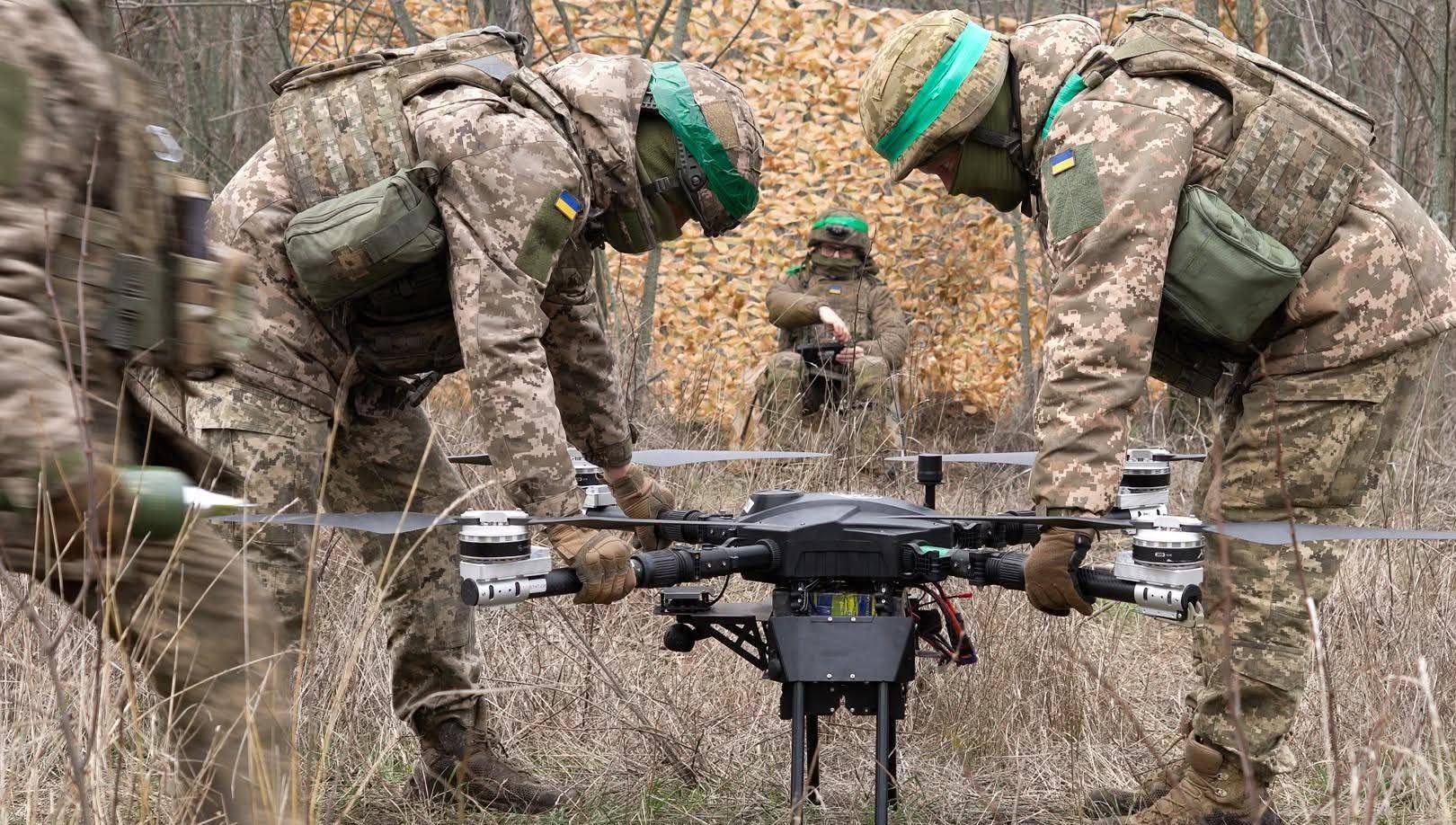
A nighttime operation by the Ukrainian Forces of Unmanned Systems (FUS) was directed at a command post and the deployment sites of special forces of the Main Intelligence Directorate (GRU) in the temporarily occupied settlement of Berdyanske in Donetsk region. The strike was reported by FUS commander Robert (Madyar) Brovdi.
"The operation was planned in advance and carried out on the night of December 26"
— Robert (Madyar) Brovdi, commander of the Forces of Unmanned Systems
Result and sources
According to confirmed operational information, the strike recorded 51 dead ("200") and 74 wounded ("300"). The number of missing persons is not yet established. The commander also noted that the target was the 14th Separate GRU Brigade from Ussuriysk — a unit specializing in reconnaissance and special operations.
Why it matters
A strike on a command post not only destroys personnel but also disrupts the decision-making and coordination channels for the enemy's special operations. Such actions are an example of how precision reconnaissance and strike means can affect an opponent's tactical capabilities without large-scale escalation.
Context and related events
Incidents related to the 14th brigade and its subunits have a broad informational context. According to LIGA.net, on December 24 in Moscow two policemen were killed who, sources say, had participated in the war against Ukraine and were involved in the torture of prisoners. Also on December 26 there were reports of explosions in the parking area of a Russian military unit in Ussuriysk — actions that Ukrainian intelligence links to holding accountable units implicated in crimes against the civilian population.
What experts say
Defense analysts point out that a series of such strikes has a dual effect: it physically weakens the enemy and simultaneously works to psychologically demoralize those units that committed crimes. Specialists emphasize the importance of accurate intelligence and minimizing risks to the civilian population when planning operations.
Consequences and outlook
The defeat of the command post of the 14th GRU Brigade may temporarily complicate this formation's ability to conduct high-skilled special operations in the Donbas. At the same time, Russia may attempt to relocate groups or change communication schemes — this requires constant adaptation from Ukrainian intelligence and long-range systems. The question remains for partners: will there be sufficient support of intelligence and strike capabilities for such effects to be consolidated in the long term?
Data and statements provided by the command of the FUS; information regarding events in Moscow — according to LIGA.net; summaries and analysis — based on open sources and comments from defense-oriented analysts.



