Strike on Cabinet of Ministers and ambassador's residence: Russia used "Oreshnik" for the third time
On May 24, Russia attacked Kyiv with 690 weapons for the first time combining the "Oreshnik" with a massive drone strike. The government building, the residence of the Albanian ambassador, and Ukraine's Foreign Ministry were damaged.

By Tetiana Suchkova-Ladik
May 24, 2026 · 2 min read
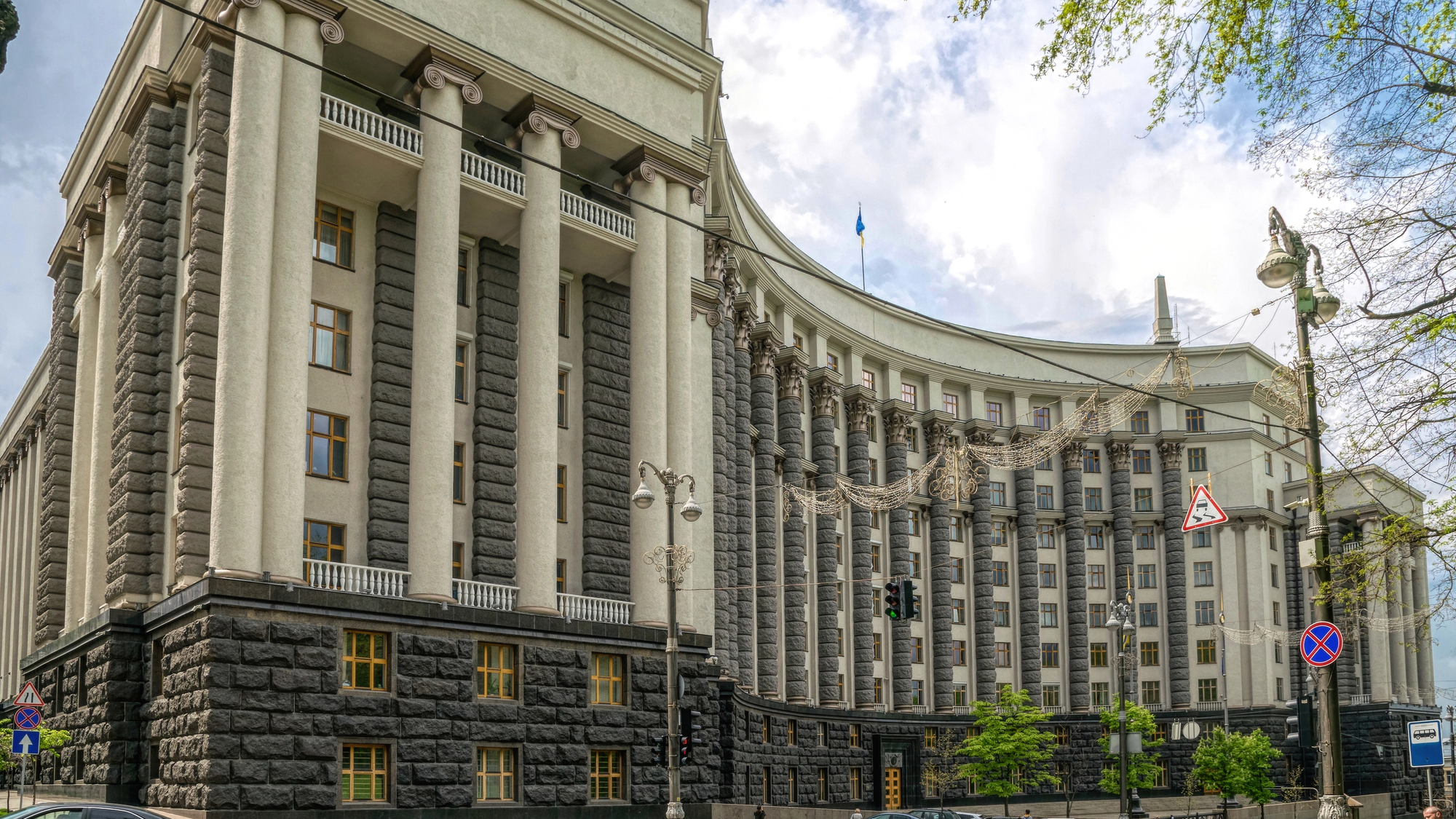
During the night of May 24, Russia delivered one of the largest combined strikes on Kyiv throughout the full-scale war. Ukrainian Air Force confirmed the use of the medium-range ballistic missile RS-26 "Oreshnik," which struck Bila Tserkva in Kyiv region. The hypersonic weapon with multiple warheads led a wave of 690 air threats directed primarily at Kyiv.
Third use of "Oreshnik"
According to Zelenskyy, this is already the third case of "Oreshnik" use in four years of war. The missile was launched from the Kapustin Yar range in Astrakhan region. Moscow struck in response to a Ukrainian attack on Starobildsk — the General Staff of the Armed Forces of Ukraine, in turn, reported that drones hit the headquarters of an unmanned systems unit "Rubikon," not a student dormitory as Russia claims.
Zelenskyy warned of a possible strike on May 23 — after intelligence data provided by Washington and European partners indicated preparations for an "Oreshnik" launch. The U.S. Embassy in Kyiv simultaneously issued a security warning.
What was damaged in Kyiv
The strike affected the government quarter and diplomatic zone simultaneously. Prime Minister Yulia Svyrydenko reported that windows were blown out of the Cabinet of Ministers building by the blast wave — the second time since the beginning of the full-scale war. The building was first damaged by a rocket strike in September 2024. The building of the Ministry of Foreign Affairs of Ukraine also sustained minor damage.
A residential complex where Albania's ambassador lives was also struck. Albania's Foreign Minister Ferit Hoxha wrote that this put the ambassador "under serious threat":
"Albania firmly condemns the latest brutal and indiscriminate large-scale shelling with missiles and drones. Targeting civilian areas and diplomatic personnel is a serious escalation."
Ferit Hoxha, Albanian Foreign Minister
Albania recalled Russia's ambassador in Tirana.
Scale of destruction
Damage was recorded at 40 locations in several districts of the capital, including residential buildings, according to Kyiv City Military Administration head Tymur Tkachenko. According to Mayor Klitschko, at least two people were killed, with 77 more wounded. In Shevchenko district, the strike damaged a school where people were present during the attack.
- 690 means of destruction — total number of air threats in the attack wave
- 40 locations — documented damage across the city
- Bila Tserkva — point of impact of "Oreshnik" in Kyiv region
- At least 2 killed, 77 wounded — figures for Kyiv
Head of EU diplomacy Kaja Kallas called the use of "Oreshnik" "political intimidation and irresponsible nuclear blackmail" and announced an extraordinary meeting of EU foreign ministers the following week to discuss increasing pressure on Moscow.
The key question now is concrete: whether a strike on a NATO member country's ambassador's residence will be sufficient grounds for Brussels to reconsider the boundaries of diplomatic protection — or whether the response will again be limited to recalling the ambassador and a statement about "serious escalation."



