Strike on oil depot in Belgorod region: storage tanks damaged, warehouse near Donetsk also hit
Systematic work that is not always visible in the news but is felt at the front. On the night of January 7, Ukrainian forces struck the enemy’s logistical facilities — what this means for the Russian army’s supply and why it deserves attention now.

By Tetiana Suchkova-Ladik
January 7, 2026 · 2 min read
What happened
On the night of January 7, the General Staff of the Armed Forces of Ukraine reported strikes on a number of Russian facilities in regions bordering Ukraine and on temporarily occupied territories.
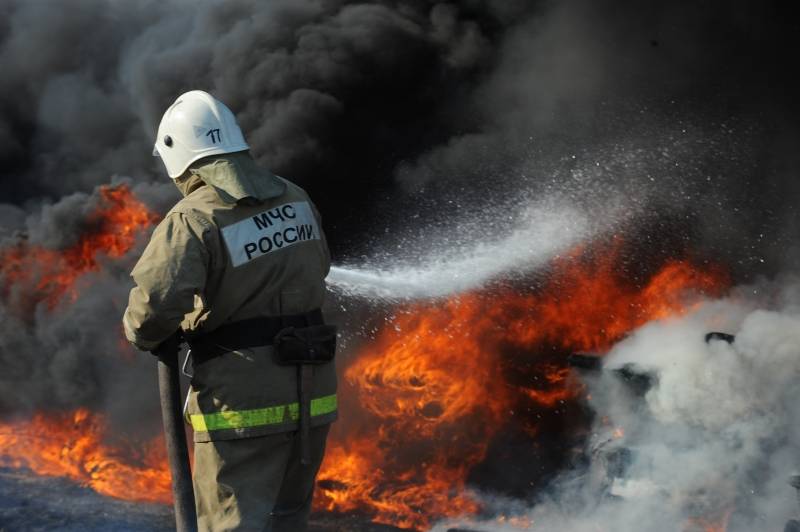
In particular, the strike hit the Oskolneftesnab oil depot in the area of the settlement of Kotel (Belgorod region). According to reports, the strikes caused a large-scale fire in the storage tanks.
In addition, on the temporarily occupied part of Donetsk region a depot of material and technical supplies of a unit of the 20th Motorized Rifle Division of the Russian Federation was struck. The extent of the damage in both cases is being clarified.
"The defence forces struck Russian targets in the Belgorod region and on temporarily occupied territories."
— General Staff of the Armed Forces of Ukraine
"As a result of detonations on the territory of the oil depot, several storage tanks caught fire."
— Vyacheslav Gladkov, governor of Belgorod region
Context and confirmation
This operation fits into a series of strikes on infrastructure that supplies fuel and ammunition to the Russian army. For example, according to LIGA.net and subsequent confirmations by the General Staff, at the end of last week facilities in Kostroma, Lipetsk and Yaroslavl regions were struck, including damage to tanks of the strategic reserve "Temp" in Yaroslavl region.
- LIGA.net reported strikes on a rocket-and-artillery arsenal in Kostroma region and an oil depot in Lipetsk — information later confirmed by the General Staff.
- Preliminary data indicate that in Yaroslavl region two vertical RVS-5000 tanks were damaged at a strategic reserve facility.
Why this matters for Ukraine
Striking logistical hubs is not about "spectacular footage" but about genuinely reducing the enemy's ability to sustain the intensity of offensive and defensive operations. Fuel and depots are the nervous system of war: putting such facilities out of action forces the adversary to spend resources rerouting supplies and protecting key nodes.
For a Ukrainian citizen this has a simple practical effect: each broken logistical link reduces the operational freedom of Russian units and gives our forces a better chance to retain the initiative at the front.
What next
While the degree of damage is being verified, it is important to watch two factors: first, whether the enemy can quickly restore capacity or reroute supplies; second, whether Russia will strengthen protection of critical infrastructure inside its territory, which will require Kyiv to plan accordingly.
Analytical forecast: the series of strikes on logistics indicates a strategy aimed at wearing down the enemy's capabilities without large direct offensives. Moscow’s response—whether diverting resources to defence or accelerating recovery—will show how deep the strike was and what price the adversary is willing to pay for its supply lines.
Now the move is with the partners: states that support Ukraine are watching not only operational successes but also Kyiv’s long-term ability to break enemy supply chains. Whether Russia has enough reserves to quickly compensate for such strikes will determine the intensity of fighting in the coming weeks.



