Strike on Sheskharis: Why the attack on the oil terminal in Novorossiysk affected Chevron and drew a diplomatic protest from the US
The SBU, together with the GUR and other forces, struck an oil terminal in Novorossiysk — the same facility for which the United States had previously sent Kyiv an official diplomatic warning. The terminal services not only Russian oil, but also Kazakh exports through a consortium that includes stakes held by Chevron and ExxonMobil.

By Tetiana Suchkova-Ladik
April 6, 2026 · 2 min read
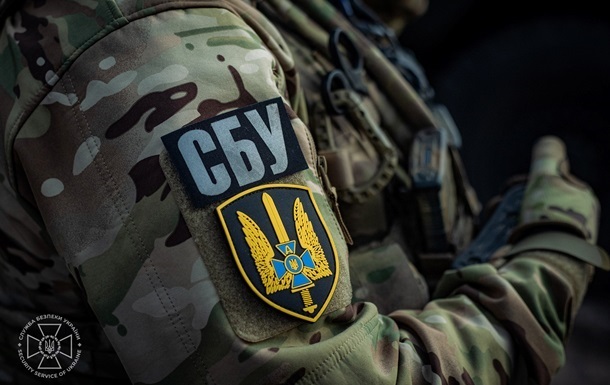
Specialists from the SBU's Alpha Center, together with fighters from the GUR, Unmanned Systems Forces, Special Operations Forces, and the State Border Guard Service, struck the oil terminal of Novorossiysk port. An SBU source reported this to LIGA.net. There has been no official confirmation from the Russian side.
What is Sheskharis and why it matters
Novorossiysk is Russia's largest oil export hub on the Black Sea: approximately 20% of all Russian oil exports pass through it. The heart of the port is the Sheskharis terminal: two platforms connected by an underground tunnel through the Markotkh ridge, 10 berths, with a capacity of 75 million tons per year. According to Reuters, in October 2025 alone, 3.22 million tons of oil passed through the port — approximately 760,000 barrels per day.
However, Sheskharis is not purely Russian infrastructure. The terminal also serves Kazakhstani exports through the Caspian Pipeline Consortium (CPC), which provides approximately 80% of Kazakhstan's oil supplies. Among CPC shareholders are American companies Chevron and ExxonMobil.
A diplomatic signal from Washington
"We heard from the State Department that we should refrain from attacks on American interests"
— Olha Stefanishyna, Ukraine's ambassador to the USA, in a comment to CNN following the November strikes on Sheskharis
Following the November 2025 strikes, the U.S. State Department sent Kyiv a demarche — an official diplomatic protest. According to Stefanishyna, the strike "affected American investments made through Kazakhstan." Kazakhstan, in turn, called the attack "an act of aggression" against its economy: in December, the country's oil production fell by 6%, partly due to forced cutbacks at the Chevron-operated Tengiz field.
The current strike came after this warning. Ukraine's General Staff previously noted that Sheskharis facilities provide logistics for Russian troops fighting against Ukraine — this is Kyiv's key argument against American objections.
A coalition of executors
The involvement of five structures at once — Alpha, GUR, Unmanned Systems Forces, Special Operations Forces, and the State Border Guard Service — indicates a coordinated multi-level attack rather than a one-time operation. A similar configuration was used in December 2025, when the SBU struck a submarine in the same port with an underwater drone of previously unknown design.
Novorossiysk became a key Black Sea Fleet base after Ukrainian attacks made Crimean bases too vulnerable. Now it is the very port where Russian military logistics, Kazakhstani oil production, and American corporate interests intersect — and this is precisely the node that Kyiv continues to attack.
If the next strike on Sheskharis again affects the Kazakhstani or American oil flow — Washington will face a concrete choice: is protecting Chevron from an ally sufficient grounds for public pressure on Kyiv?



