Strike on the "shadow fleet": Armed Forces of Ukraine attacked a tanker, frigate and missile ship of the Russian Federation
Ukraine's defense forces struck three maritime targets simultaneously — a shadow fleet tanker, a frigate, and a missile hovercaft. The extent of the damage has not yet been confirmed.

By Tetiana Suchkova-Ladik
May 23, 2026 · 2 min read
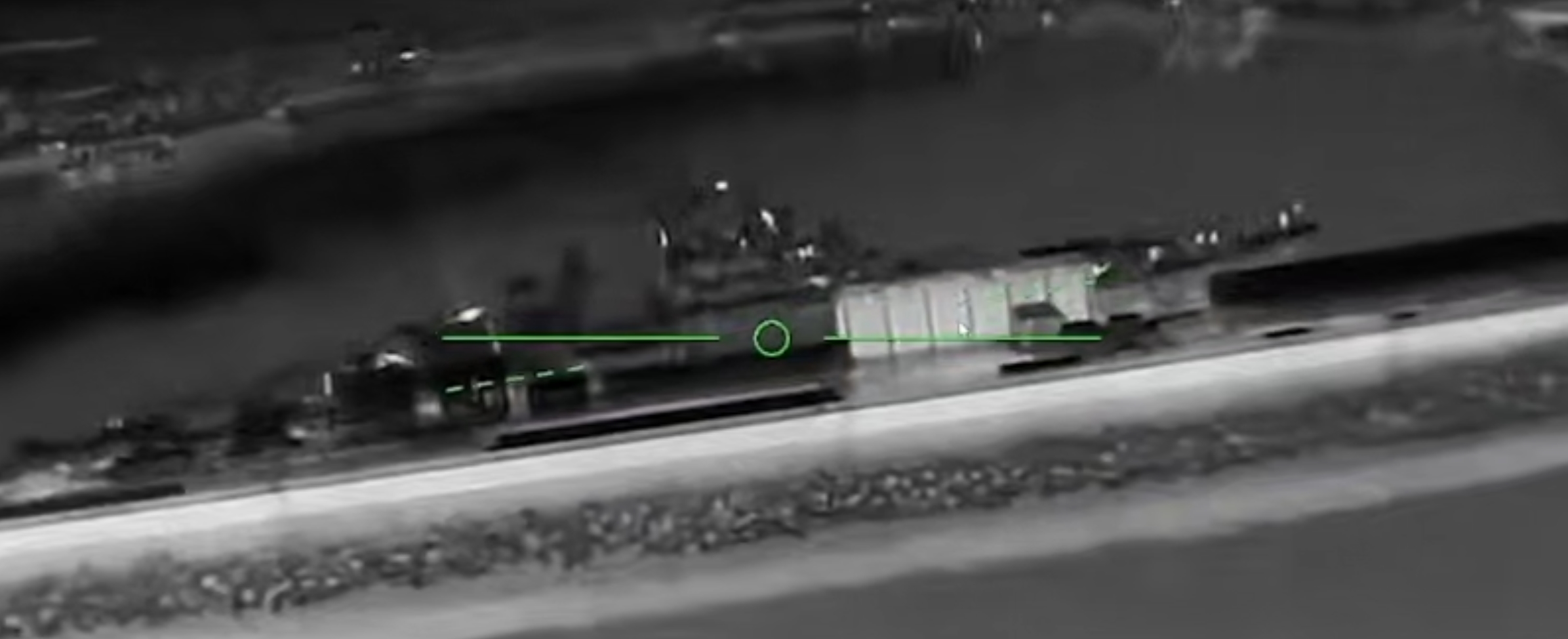
Ukraine's defense forces struck three Russian naval targets: a tanker from the so-called "shadow fleet," a frigate, and a missile-armed hovercraft. The military command reported this without specifying the location of the targets or the nature of the damage.
What is known about the targets
The "shadow fleet" is a network of vessels sailing under third-country flags that Russia uses to circumvent the oil embargo. Tankers in this scheme transport Russian oil while bypassing sanctions, thus financing the war. A strike on such a vessel is not just a military operation but also an economic one: each tanker taken out of service represents concrete losses to the Kremlin's budget.
The frigate and missile-armed hovercraft are combat units of Russia's Black Sea or Baltic Fleet. The latter type of vessel can operate in shallow waters and is used for amphibious operations and missile strikes on coastal targets.
Unknown scale is a problem
The command has not yet confirmed the extent of damage to any of the three vessels. This is standard practice at the initial stage — verification of data from open sources and intelligence takes time. However, the lack of details makes it impossible to assess the real operational effect of the strike: whether the ships are disabled or merely damaged.
For comparison: the destruction of the cruiser "Moskva" in April 2022 immediately shifted the balance of power in the Black Sea. Any new successful strike on combat ships would have a similar strategic dimension — but only if the damage proves critical.
Context: Ukraine pressures the fleet without a fleet
Ukraine does not have its own navy in the classical sense, but systematically disables Russian ships using marine drones, cruise missiles, and other means. According to British intelligence assessments, Russia has already relocated a significant portion of the Black Sea Fleet away from Ukrainian shores due to the threat of strikes.
The strike on a "shadow fleet" tanker fits into a broader logic: to destroy not only military infrastructure but also the economic infrastructure that sustains the Russian war machine.
Whether independent sources — satellite imagery or shipping tracker data — will confirm the actual damage to these three targets will be revealed in the coming days.



