Strike on Votkinsk: How "Flamingo" Hit an ICBM Plant and What It Means for Security
The General Staff confirmed a strike on the Votkinsk plant's FP‑5 "Flamingo". This is a direct blow to the production and logistics chains of Russian missiles — we examine why this matters now and what the possible consequences could be.

By Tetiana Suchkova-Ladik
February 21, 2026 · 3 min read
What happened
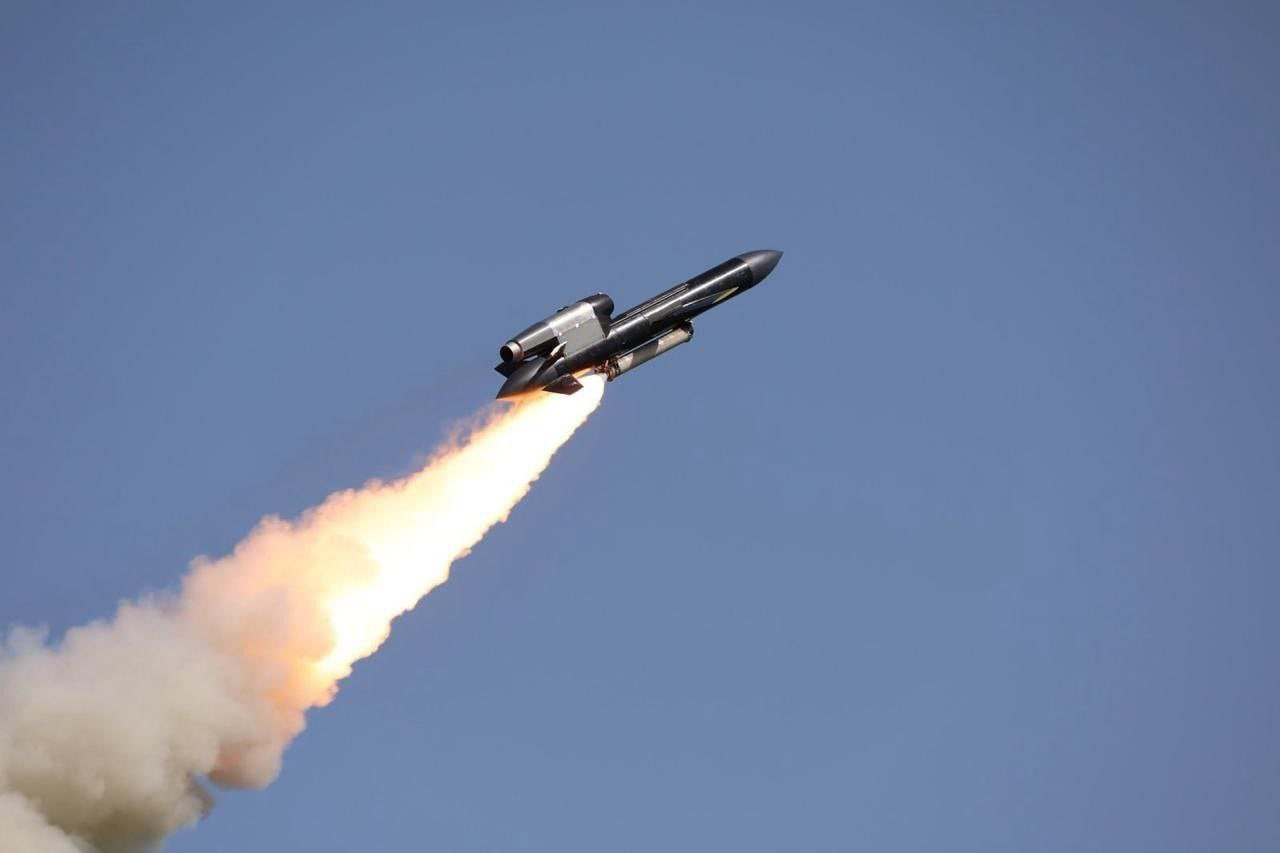
In the night of 21 February the General Staff of the Armed Forces of Ukraine confirmed the strike on a number of facilities of the Russian military‑industrial complex and logistics, including the "Votkinsk Plant" in Udmurtia. According to official information, the enterprise was hit by long‑range cruise missiles FP‑5 «Flamingo» launched by units of the Rocket Forces and Artillery of the Armed Forces of Ukraine.
What was established — one fact after another
A fire was recorded on the territory of the plant; the results and scale of the damage are being clarified. The distance from the plant to the border line on territory controlled by Ukraine is about 1,300 km in a straight line, which underscores the range of the means that were used.
"Enemy losses and the final scale of the damage inflicted are being clarified"
— General Staff of the Armed Forces of Ukraine
Why Votkinsk matters
The "Votkinsk Plant" is associated with the production and maintenance of systems important to Russia's missile strategy — from RS‑24 "Yars" intercontinental ballistic missiles to components for submarine and operational‑tactical systems. Striking such facilities affects not only the production chain but also the logistics of spare parts and repairs.
Who confirms it and what else was hit
The missile launches and the link to the strike on Votkinsk were confirmed in a video post by the chief designer of Fire Point — the company that developed the FP‑5. Command also reports strikes on the Neftegorsk gas processing plant (GPP) in the Samara region, fuel and lubricants depots, and a UAV maintenance workshop in occupied territories.
"Here's a short video. No context. The context — later)"
— Denis Shtilerman, chief designer of Fire Point
About the "Flamingo" and the context of trust
Fire Point is a Ukrainian company known for its long‑range drones and Flamingo cruise missiles. There was media and state interest in the firm's activities: Kyiv Independent wrote about inspections, and NABU commented on investigative actions related to certain aspects of supplies. At the same time, the investigations did not directly concern the production of the FP‑5, and at the time of the reports there were no publicly disclosed suspicions regarding its manufacture (sources: Kyiv Independent, NABU, LIGA.net).
Why this matters for Ukraine
Striking a plant that produces strategic missiles is aimed at weakening the adversary's ability to restore and maintain its missile arsenal. For Ukraine and its partners, this may mean a potential reduction in pressure on Russia's long‑term missile logistics and the creation of additional time windows for defensive operations.
What analysts say
The expert community points out that strikes on industrial infrastructure are not just about a single fire, but about the long‑term construction of complex logistical hubs. This is part of a strategy that combines tactical and strategic objectives: from the operational weakening of the opponent to the long‑term reduction of its strike capability.
Possible consequences and remaining questions
Immediate consequences — localized damage and fires. Among medium‑term risks are disruptions in the production of certain components, increased secrecy measures, and the redistribution of production capacities in Russia. In the long term, this could affect the pace of replenishing equipment for Russian missile systems.
The key question now is how partners and international mechanisms will respond to such strikes, and whether they will step up measures to control technological supply chains and deliveries that feed Russia's military programs.
Conclusion
This is not an isolated episode, but part of a broader operational picture. The strike on Votkinsk demonstrates that Ukraine possesses the means to hit targets at long range and that such operations can have a strategic effect. Next — attention to confirmed results, reactions from international partners, and assessments of how much these actions change the balance of forces in the medium term.



