SBS strike: three power substations in occupied territories knocked out — a blow to enemy logistics
The commander of the SBS released a video on January 9. This is not a show — it's a message about the ability to disrupt the occupiers' energy and transport infrastructure. We examine what exactly was damaged and why it matters now.

By Tetiana Suchkova-Ladik
January 10, 2026 · 2 min read
What happened
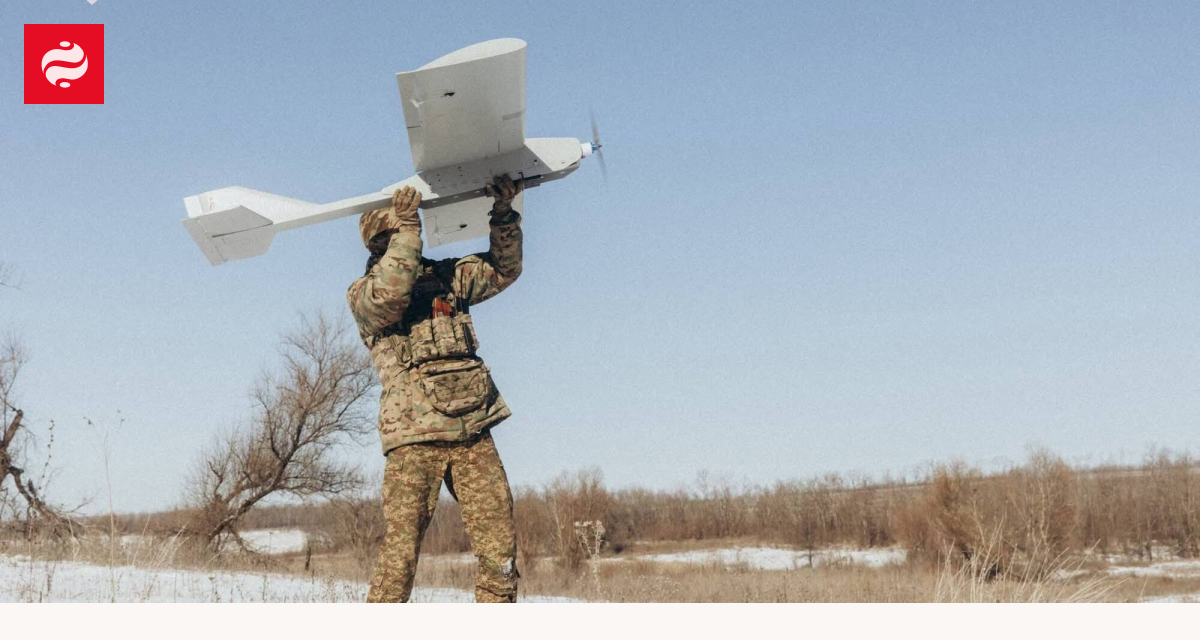
On January 9, unmanned systems forces struck three power substations in territories temporarily occupied by Russia. Video of the operation was released by the commander of the Unmanned Systems Forces, Robert Madyar Brovdi.
"We also know how to turn off the lights"
— Robert Madyar Brovdi, commander of the Unmanned Systems Forces
Which facilities were affected
Traction substation "Volnovakha‑Tyahova" — located in temporarily occupied Volnovakha (Donetsk region). It supplies power to the railway overhead contact system (27.5 kV AC) for the operation of electric locomotives.
"Zorya" substation (330/110 kV) — Mariupol district, a key element of the regional power system.
"Pivdenna" substation (330 kV) — also taken out of service; its disruption increases local risks to grid stability.
Who carried out the operation
The strike was carried out by fighters from the First Separate Center of the Unmanned Systems Forces with reconnaissance support from the Security Service of Ukraine. It is an example of integrated work between strike and reconnaissance components.
Context and consequences
This operation has a twofold effect: first, it directly affects the occupiers' mobility — without the traction substation, movement of electric locomotives and rail deliveries becomes more difficult. Second, it is a signaling gesture: it shows that strikes on infrastructure are not limited to random hits.
Against the backdrop of recent blackouts in the Moscow region (December 30, 2025, more than 100,000 consumers) and in Belgorod (January 9, more than 500,000 consumers), it is clear that the region's energy infrastructure is vulnerable. Analysts in military and infrastructure outlets are already noting the growing role of unmanned systems in the war over networks and logistics.
What this means for Ukraine and partners
The operation gives Ukraine a tactical advantage in disrupting the enemy's logistics, but at the same time increases the risk of escalation and reprisals against civilian infrastructure. Therefore it is important that partners provide not only weapons but also technological support for protecting critical infrastructure and restoring damaged systems.
Conclusion
This is not just footage on social media — it is part of systematic work that affects the balance of forces. The question now is simple: will tactical successes turn into strategic advantage, and how will partners help minimize risks to the civilian population and critical infrastructure?



