"Retaliatory Strikes, Not Escalation: Zelensky Explains Logic Behind Attacks on Russian Energy Infrastructure After Meeting with Fico"
The President clearly drew the line: Ukraine strikes Russian energy infrastructure exclusively with its own weapons and will stop as soon as Russia stops. So far, Russia has not stopped.

By Tetiana Suchkova-Ladik
April 9, 2026 · 2 min read
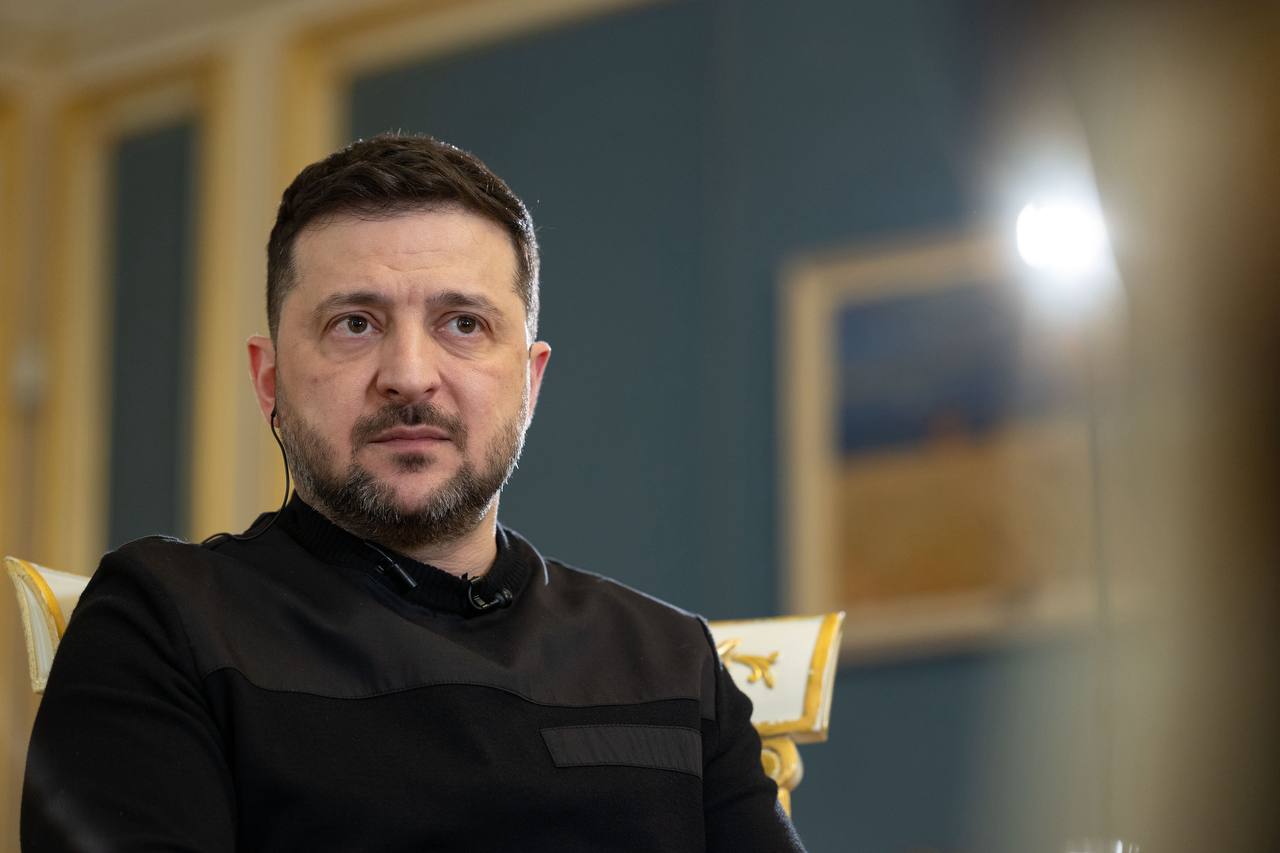
On September 5 in Uzhhorod, following a meeting with Slovak Prime Minister Robert Fico, President Volodymyr Zelensky stated that Ukraine will not reduce strikes on Russian energy facilities — as long as Russia continues to attack Ukrainian energy infrastructure. The formula is brief: "Reductions in strikes on Russian energy will happen when strikes on Ukrainian energy reduce."
The meeting took place against the backdrop of a specific conflict: Hungary and Slovakia — the only EU countries still importing Russian oil through the Druzhba pipeline — turned to Brussels after August strikes by the Armed Forces on this oil pipeline. Fico came to Uzhhorod with complaints. Zelensky responded that he was ready to supply Slovakia with gas and oil — but not Russian.
"No one will simply tolerate sitting in the dark"
Volodymyr Zelensky, briefing in Uzhhorod, September 5, 2025
Own weapons — a separate signal
The president separately emphasized that long-range strikes against Russian territory are carried out by Ukraine using domestically produced weapons and are not coordinated with the United States. Back in August, Zelensky confirmed this position in response to a Wall Street Journal report that the Pentagon had been blocking the use of American missiles deep inside Russia for months. According to him, the range of Ukrainian weapons reaches from 150 to 3,000 kilometers.
That same day provided concrete confirmation. The General Staff of the Armed Forces reported that on the night of September 5, the Unmanned Systems Forces, Special Operations Forces, and the GUR struck the Ryazan oil refinery — one of Russia's four largest, with a design capacity of 17.1 million tons of oil per year. A hit was recorded on the primary processing unit ELOU-AVT-6. The governor of Ryazan Oblast, Pavel Malkov, confirmed the attack.
Tactical context
Strikes on Russia's oil refining infrastructure are not random: according to Reuters, in September 2025, Russian oil product exports fell by 17.1% compared to August. Oil refineries are part of the logistics chain supplying fuel to the Russian army. Zelensky also received "signals" from some Western partners asking to reduce the intensity of attacks due to energy market instability — and publicly rejected them without disclosing who had requested this.
- Ryazan oil refinery — strike confirmed by the General Staff of the Armed Forces and the Russian governor
- Additionally, positions of two S-400 air defense divisions in Kaluga Oblast and a drone warehouse in occupied Luhansk were hit
- Ukraine produced over 2 million drones in 2024, planning at least 4 million in 2025
Fico and Zelensky reached no agreements. The Slovak prime minister, who had met with Putin in Beijing the day before, left Uzhhorod with an unchanged position on oil transit. Three months later, on December 1, Ukraine struck the Druzhba pipeline again — despite appeals from Budapest and Bratislava.
If Russia continues to ignore the condition of symmetric cessation of strikes on energy infrastructure — and there are currently no signals of its readiness to do so — will Slovakia and Hungary retain the political ability to block EU sanctions decisions, citing their own energy losses from this same war?
```


