Arctic–Atlantic agreement to resolve the Greenland dispute — what it means for European and Ukrainian security
Lithuania's president, in an interview with Reuters, proposes dividing responsibility for Arctic and North Atlantic security between the EU and the US as a means of de‑escalation around Greenland — and as a way to refocus transatlantic attention on Russian aggression.

By Tetiana Suchkova-Ladik
January 20, 2026 · 2 min read
In brief: conclusion and significance
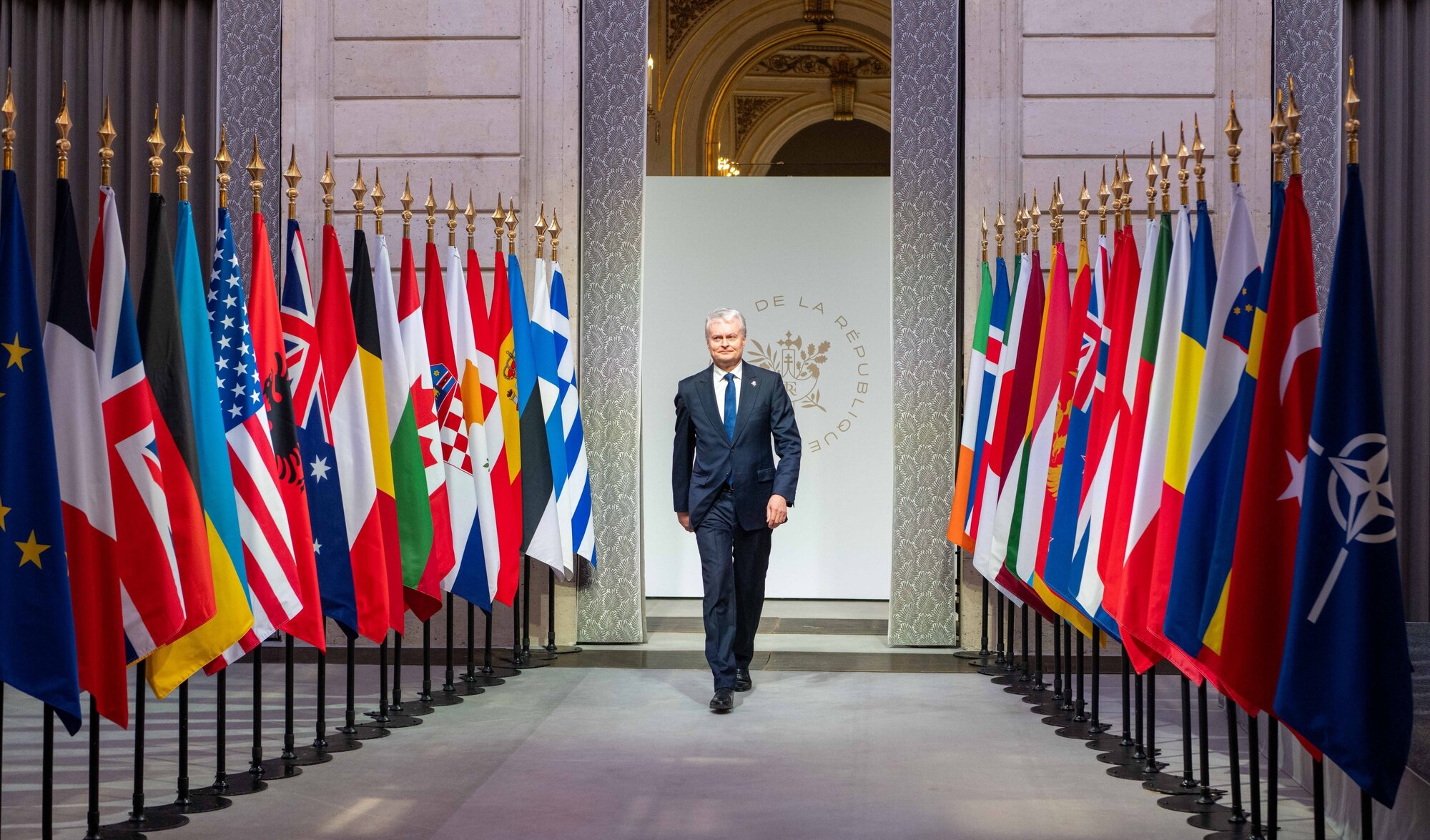
In a conversation with Reuters, Lithuanian president Gitanas Nausėda called for an agreement between Europe and the United States on shared responsibility for the security of the Arctic and North Atlantic space. In his view, this could be a way to resolve the flare-up of tensions around Greenland and reduce the distraction that currently plays into the Kremlin’s hands.
What Nausėda said
"The best outcome would simply be to agree on shared responsibility for the security of the Arctic region and the North Atlantic region. Is it possible to achieve this? We must make every effort to move in this direction, because it is the best way."
— Gitanas Nausėda, President of Lithuania
According to Reuters, Nausėda warns that the fuss over Greenland is diverting attention from Russia’s war against Ukraine and undermining NATO unity. He calls the current moment "critical" and believes that countries still wavering over supporting Ukraine must understand the strategic risks of that approach.
Context: statements from Washington and Europe
In January this year the US president made remarks regarding Greenland — on January 9 he hinted that he could set a choice between owning the island and the existence of NATO, and on January 19 he advised Europeans to focus on the war with Russia (source: Reuters). On January 20 the president of Finland put forward several scenarios regarding Greenland for consideration, one of which was described as a potential "military takeover."
These signals are heightening concern in Europe: even if there is no direct military threat, diplomatic rhetoric and public speculation are already shaking trust between transatlantic partners.
Why this matters for Ukraine
An agreement on the division of responsibility for the Arctic and North Atlantic space is not only a matter of geography. For Ukraine, it is a question of partners' priorities: whether countering Russian aggression will remain at the center of transatlantic policy, or whether it will be pushed to the sidelines by new regional disputes.
According to Nausėda, it may take 10–15 years for Europe to be able to assume a greater share of responsibility for its own security. Until then, maintaining shared attention and support for Ukraine is of key importance.
What next — forecast
A transatlantic agreement is possible, but it requires two things: the political will of the United States and diplomatic consistency from Europe. Analysts note that declarations must be turned into mechanisms for allocating tasks, resources, and responsibility — otherwise the risk that the dispute will grow into a long-term problem will remain.
The question for partners and for Ukraine is simple: can a geographic conflict be turned into a constructive item on the transatlantic agenda — and will that be enough to keep the focus on countering Russian aggression?



