Hungary blocks 20th sanctions package over "Druzhba" — Ukraine's energy supply under pressure
Budapest has tied its support for sanctions to the restoration of oil transit and simultaneously promised to "act cautiously" on electricity supplies to Ukraine. This reshuffles energy and political priorities in the region — we examine why this matters now.

By Tetiana Suchkova-Ladik
February 22, 2026 · 2 min read
What happened
Hungary has announced it will not support the EU’s 20th package of sanctions against Russia until the transit of Russian oil through the “Druzhba” pipeline is restored. Official statements are linked to an incident on January 27, when, according to Hungarian authorities, an installation in western Ukraine associated with oil transit was damaged.
The decision affected EU plans: the new restrictions were to be adopted on February 23, but Budapest’s support is absent. At the same time, Hungarian authorities said that in matters of energy supply to Ukraine they will now “act cautiously” — words that effectively place Kyiv’s energy security at the mercy of political arrangements with its neighbor.
Budapest’s position
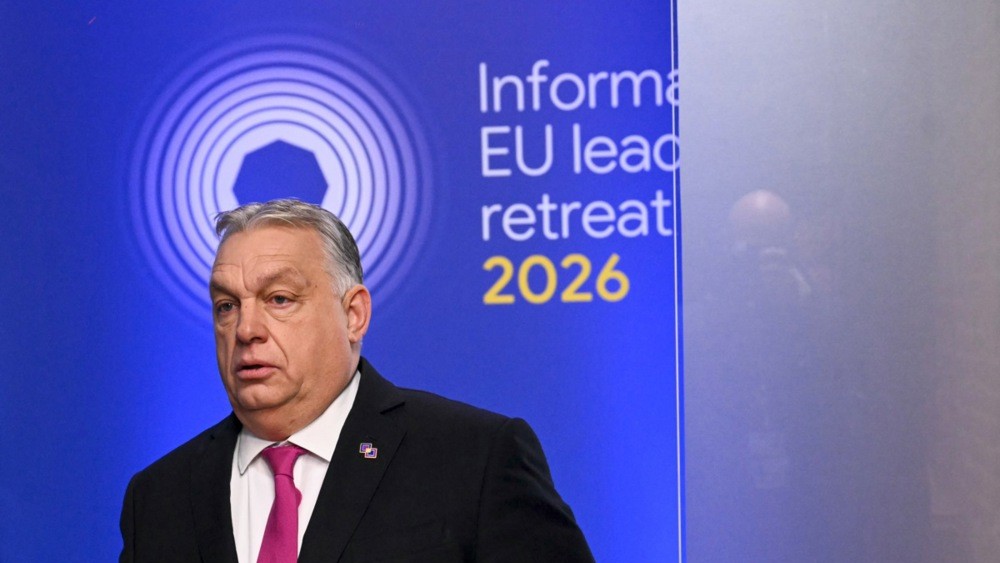
"Normal relations will return after the transit of oil is restored."
— Viktor Orban, Prime Minister of Hungary
Hungary’s Foreign Minister Peter Szijjarto clarified that “this is specifically about electricity supply.” In January, Hungarian deliveries accounted for about 45% of Ukraine’s electricity imports — making Budapest’s statements not only diplomatic rhetoric but also a real instrument of leverage.
Context and consequences
Hungary has already blocked other mechanisms of support for Ukraine: in particular, it abstained from granting the EU’s preferential €90 billion loan and, together with Slovakia, stopped diesel exports. Slovak Prime Minister Robert Fico also threatened to cut electricity supplies to Ukraine if transit is not resumed by February 23.
Kyiv rejects ultimatums and is offering alternative routes for oil supplies. At the same time, Brussels assures that it does not see serious short-term risks to supply security: there are reserves and mechanisms for emergency situations.
"Brussels does not see short-term risks to supplies, since countries have 90-day reserves for emergencies."
— Anna-Kaisa Ikonen, spokesperson for the European Commission
Why this matters for Ukraine
Energy pressure has not only economic but also military consequences. Ukraine’s economic calendar includes payments and tranches on which defense procurement depends. In December 2025 Volodymyr Zelensky warned that without the EU tranche the production of drones could fall significantly; that would mean reduced capability to carry out long-range strikes on critical enemy targets.
In other words, the energy levers that neighbors are using today correlate directly with combat capabilities at the front and with the country’s financial stability.
Response options
In the short list of steps for Kyiv and its partners are diversification of energy supply routes, accelerated imports from other sources, and political pressure coordinated with the EU and transatlantic allies. As evidence: experts and analysts point out that decisions at the border between politics and energy are made in diplomatic backrooms, where the outcome depends on a mix of sanctioning pressure and proposals for alternative solutions.
What next?
This is not simply a dispute about a pipeline — it is a test of how much energy dependence can be used as a tool of blackmail in the region. The ball is now in the partners’ court: will statements turn into practical steps on diversification and financial support that remove risks to the front and the economy?
In short: Budapest has made its interests clear, but Kyiv has tools to respond — from diplomacy to technical solutions. They must act quickly and predictably so that energy issues do not become decisive for the country’s defense capability.



