Hungary Changed the Blackmailer, But Not the Issue: Why Kyiv is Negotiating with the Magyar on the Same List as with Orbán
Hungary had blocked Ukraine's European integration for years over a list of 11 demands regarding minority rights. Orbán is gone — but the list remains. Now Sybiga publicly states that Kyiv has a "package of proposals."

By Tetiana Suchkova-Ladik
May 11, 2026 · 3 min read
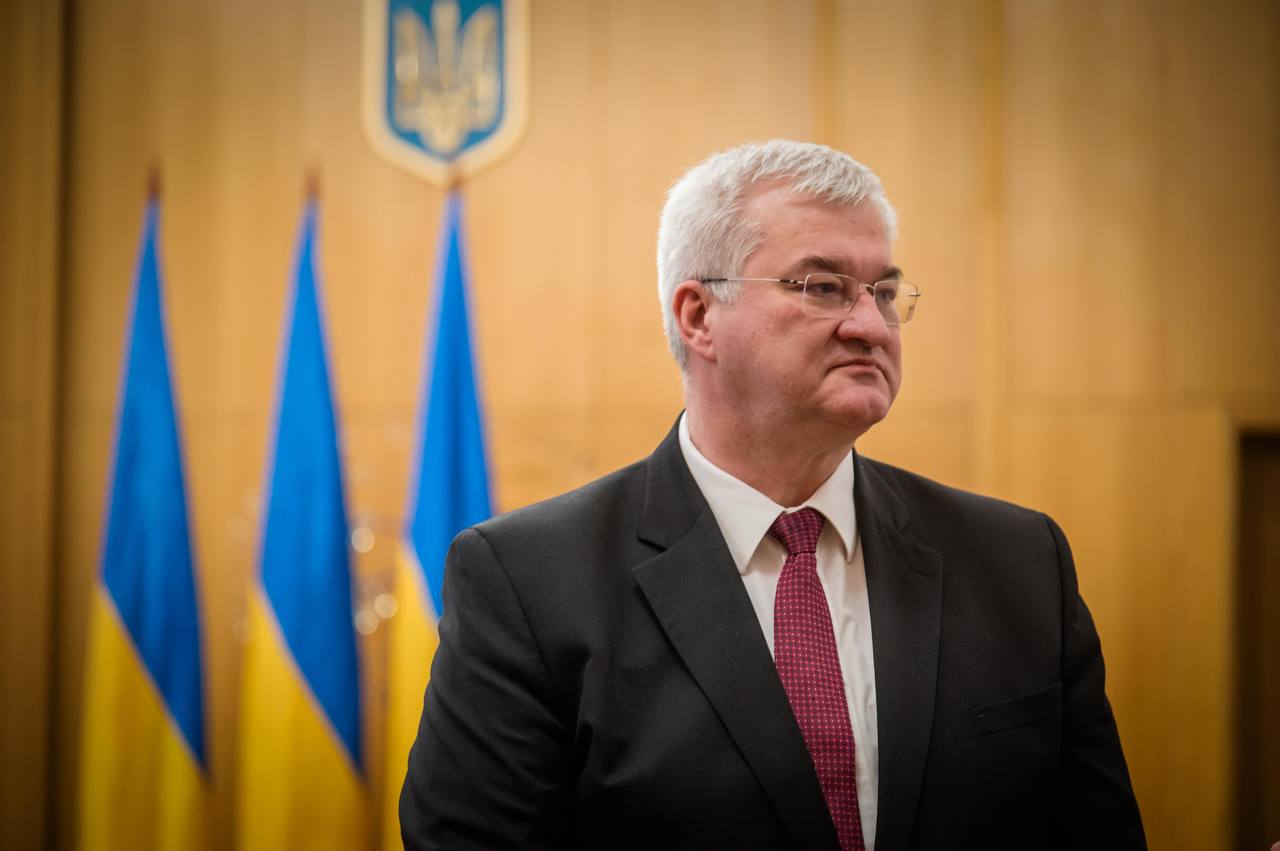
At a meeting of the EU Council on Foreign Affairs, Minister Andriy Sybiga confirmed: Ukraine is ready to discuss Hungary's demands regarding the Hungarian community in Zakarpattia and even has a specific "package of proposals" in response. He also noted that Kyiv has already sent "signals of openness to a new chapter" in bilateral relations.
But the "chapter" itself is old. And this is fundamental.
The list that outlasted Orbán
In January 2024, Minister Péter Szijjártó came to Uzhhorod and officially announced a list of 11 demands — the restoration of rights for the Hungarian minority to the status that existed before 2015: education in Hungarian, graduation certificates in Hungarian, use of the language in local government and culture. The blocking of negotiating clusters for European integration and an EU credit of €90 billion were the leverage, not the goals.
In spring 2024, Yermak reported that the parties had agreed on 5 out of 11 points. In May 2025, Hungary suddenly postponed the planned negotiations in Uzhhorod — the Ukrainian delegation was already waiting, but the Hungarian delegation did not arrive. According to the Ukrainian Ministry of Justice, the meeting was supposed to familiarize the parties with the first interim results.
Then Orbán lost the election. Péter Magyár — a democrat, pro-European, and critic of Orbán — won and was sworn in May 2026. But already at negotiations with European Commission President António Costa, according to the 24 Kanal publication, Magyár put forward conditions that almost literally repeat Orbán's list of 11 demands.
"By raising the issue of the rights of ethnic Hungarians in Zakarpattia, he sends a signal both to the Hungarian minority and to Kyiv that Budapest will continue to protect minority rights, but probably through negotiations rather than through constant confrontation".
Rasťo Kužel, executive director of Memo 98 (Slovakia), RBC-Ukraine
What Kyiv has already given and what remains
Ukraine is not standing still. According to an analysis by European Pravda, Kyiv has changed legislation and restored some language rights. Sybiga confirmed in September 2024 during a visit to Budapest his commitment to "the highest standards of the Council of Europe and the EU regarding minorities". Hungary then unblocked the €90 billion credit — in exchange for the restoration of oil transit via Druzhba.
So some blockades have been lifted. But the formal opening of negotiating clusters is the next threshold, and it still depends on how satisfied Budapest is with the pace of implementing the minority agreement.
Why this is more than just diplomacy
Any EU member has the right to veto the opening of each negotiating cluster. The European integration process requires hundreds of such votes. Even a "friendly" Magyár — if he does not receive concrete steps from Kyiv — can delay Ukraine no worse than Orbán, just with different rhetoric and without international condemnation.
- Magyár plans a meeting with Zelensky in June 2026 — specifically to discuss minority rights.
- The EU is pressuring Budapest to allow the opening of clusters; Zelensky expected the launch of all six within two months after the change of power in Hungary.
- In parallel — Hungarian spies in Zakarpattia, expulsion of diplomats from both sides, the manipulative VOKS2025 referendum on Ukraine's accession, organized under Orbán.
Against this backdrop, the "package of proposals" from Sybiga is not a gesture of good faith. It is a response to a pragmatic ultimatum, which merely changed the signature beneath it.
If Kyiv does not disclose the contents of its "package" before the Magyár-Zelensky meeting in June, negotiations risk turning once again into a demonstration of readiness — without fixed commitments from both sides.



