Hungarian delegation in Kyiv: inspection of “Druzhba” or pressure on Ukraine’s energy security?
A delegation led by State Secretary Gábor Chepek has arrived to assess the Druzhba oil pipeline. Why is this important for the sovereignty of infrastructure, and what next steps must guarantee Ukraine’s interests?

By Tetiana Suchkova-Ladik
March 11, 2026 · 2 min read
What happened
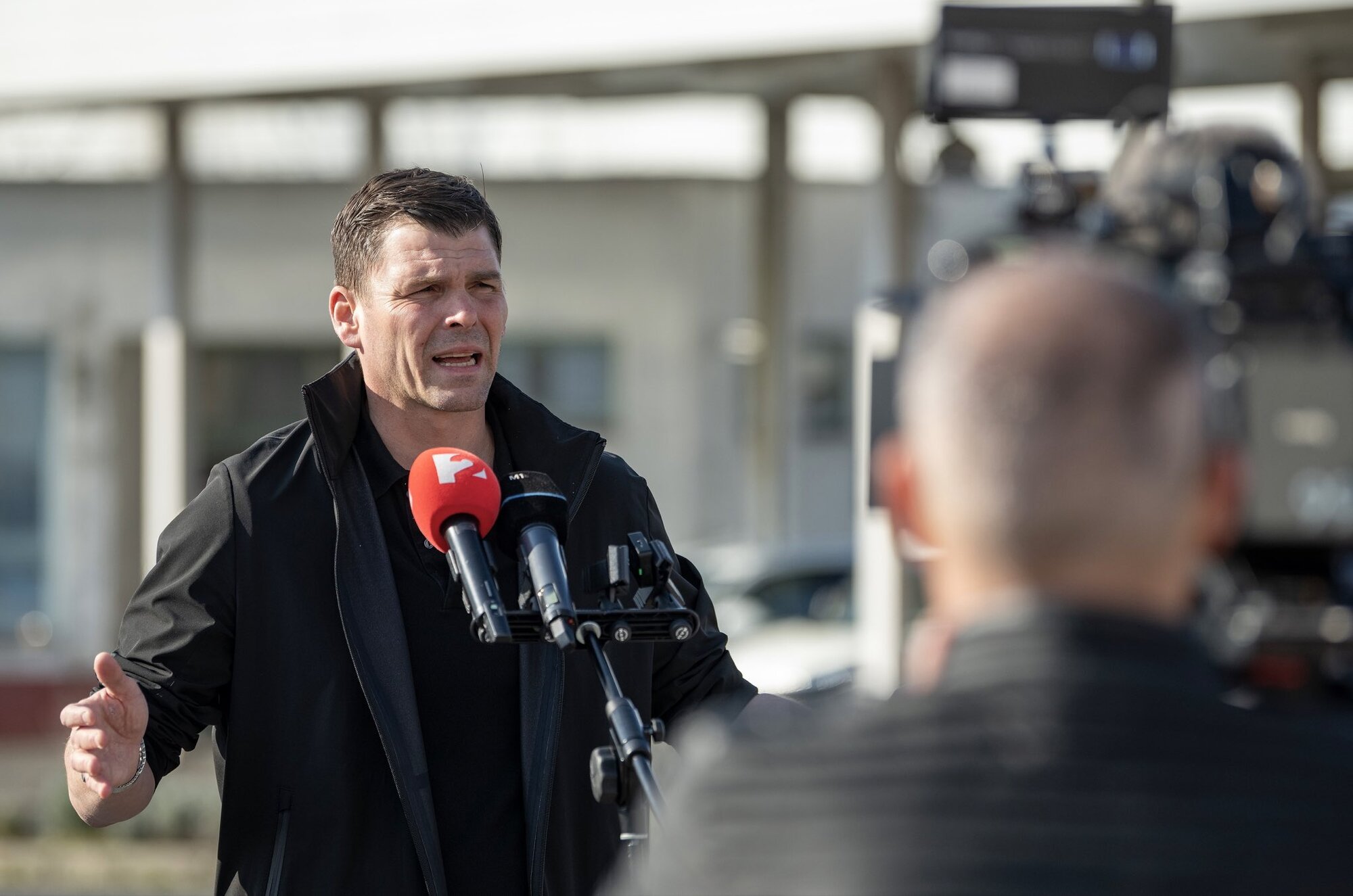
On March 11 a Hungarian delegation led by State Secretary Gábor Chepek arrived in Kyiv to assess the condition of the oil pipeline “Druzhba”. This was reported by the press secretary of the Hungarian government Zoltán Kovács during a speech at the Hungarian‑Ukrainian border checkpoint in Záhony.
"The purpose of the mission is to firmly represent Hungary's interests at the negotiating table and to hold substantive talks with Ukrainian energy authorities, ambassadors in Kyiv and a representative of the European Commission"
— Zoltán Kovács, press secretary of the Hungarian government
Why it matters
Hungary is insisting on a rapid restoration of the transit of Russian oil through Ukraine, arguing that access to cheaper eastern resources increases the energy security of Hungarian households and stabilizes tariffs. For Ukraine the issue of the “Druzhba” is not only a technical operation: it is an element of sovereign energy policy, security logistics and control over critical infrastructure.
Reactions and context
In Kyiv they have already made it clear: Ukraine does not accept ultimatums and will determine the conditions for restoring the infrastructure within its own procedures. Earlier public moves set the political backdrop: on March 2 the president reported that Robert Fico had agreed to inspect “Druzhba”; on March 5 President Zelensky said he would not restore the damaged pipeline without appropriate decisions; on March 7 the Foreign Ministry stressed that it does not accept ultimatums; on March 10 the Slovak prime minister published photos and spoke about possible financing of the repairs.
Experts, including Oleh Sarkits (for LIGA.net), note that economic interests of neighboring countries and diplomatic pressure intersect here, and the extent to which Ukraine protects its procedures and rights over infrastructure will determine both the security of supplies and the political cost of any compromises.
What’s next
The key question is whether the “substantive talks” will turn into a clear technical and legal plan that takes Ukraine's interests into account. While external partners make statements, the decisive work is happening in the offices of energy specialists and lawyers: who and under what conditions will have access to the Ukrainian pipeline, financing for its repair, and guarantees for the security of transit.
Partners should demonstrate — words must be followed by transparent agreements that do not undermine Ukraine's sovereignty over critical infrastructure and that protect the national interests of Ukrainian consumers and the economy.



