Ukraine and Netherlands agreed on joint drone production: what's behind the deal
Kyiv and Amsterdam signed a defense cooperation agreement with an emphasis on unmanned aircraft. Details are inside, with more questions than answers so far.

By Tetiana Suchkova-Ladik
April 16, 2026 · 2 min read
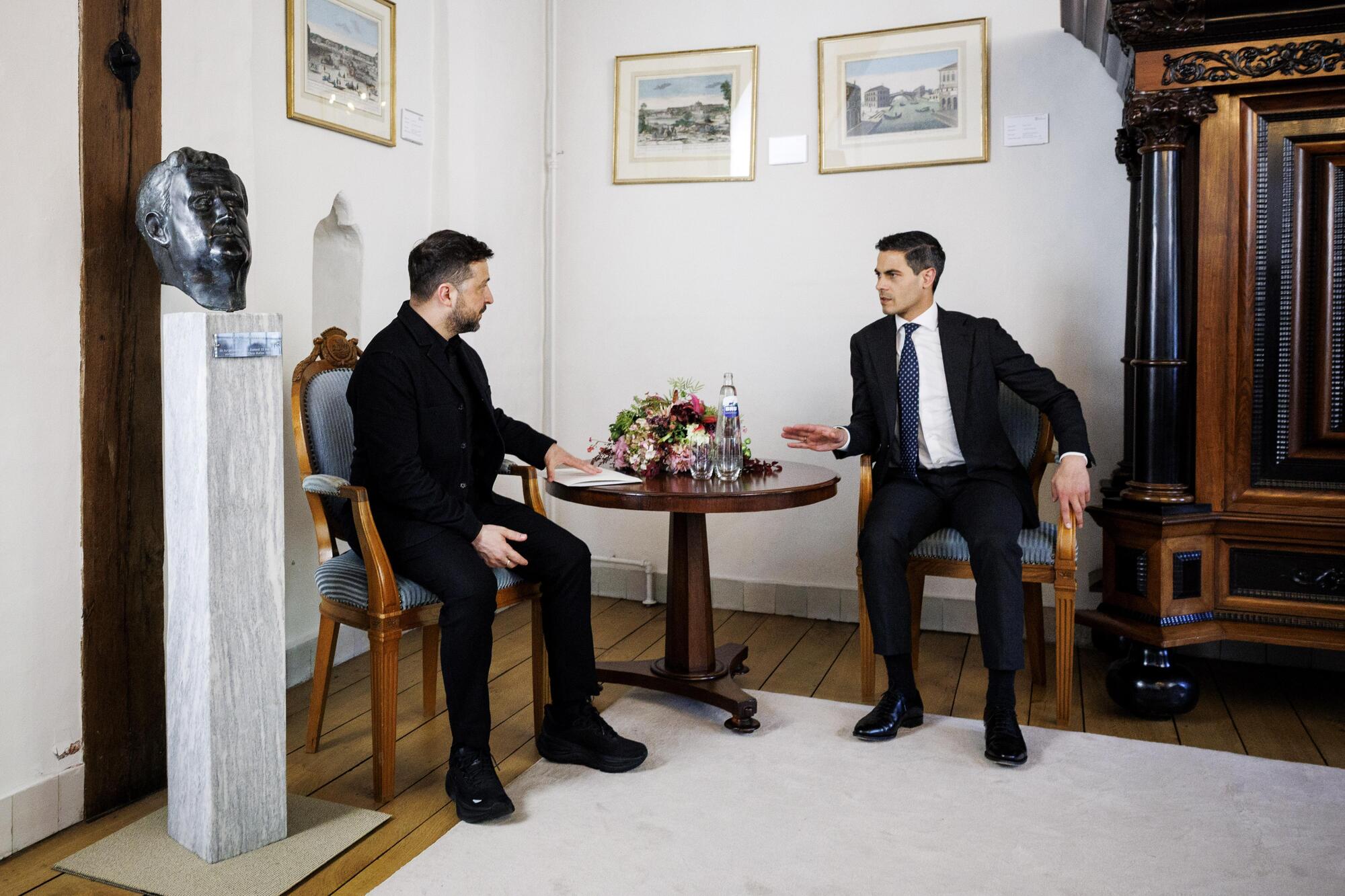
Ukraine and the Netherlands signed a defense cooperation agreement, with joint production of unmanned aerial vehicles and Dutch investments in the Ukrainian defense sector as its central elements. The signing took place against the backdrop of ongoing negotiations on expanding military-technical support from European partners.
On paper — a logical step. The Netherlands ranks among Ukraine's most active EU allies: they coordinated the transfer of F-16s, participated in support coalitions and publicly maintained a firm stance on imposing sanctions pressure on Russia. The drone agreement fits into the broader Brussels strategy — to reduce dependence on American supplies while building up its own European capacities.
But here is where the real conflict within the document begins. Joint production is not the delivery of finished equipment. It involves joint ventures, licenses, technology transfer, facilities on Ukrainian or Dutch territory, questions of intellectual property ownership. None of these details have been publicly disclosed. The agreement has been signed — the implementation mechanism is opaque.
Dutch investments also require specifics: are these government funds, private capital or a mixed scheme? Which enterprises are involved? What is the timeframe — one year, five, ten? Without this, "investments" remain statements of intent, not commitments with a control mechanism.
Unmanned aerial vehicles are a separate matter. Ukraine already has a developed domestic FPV drone industry and strike UAVs that emerged from nothing during two years of full-scale war. The Netherlands is a technologically strong country, but not a traditional leader specifically in drone production. What exactly do they bring: components, software, funding, market access? The answer determines whether this is equal partnership or subcontracting with a fancy name.
The scale of the event is clear: if the agreement truly launches a production chain on Ukrainian soil — this is a different level of integration compared to classical supplies. A plant operating in Ukraine using Dutch technology is harder to stop with changes in The Hague's parliament than another tranche of weapons.
The question that will determine the real value of what was signed: will there be a public roadmap with deadlines and responsible parties — or will the agreement remain a framework document, activated only when both capitals decide it is in their interest?



