Ukraine backed the Olympic truce — Sybiha calls on Russia to clarify its position
The initiative calling for a ceasefire during the Olympics is a test of Moscow’s readiness to take concrete steps. Why this matters for Ukraine’s security and the prospects for further negotiations.

By Tetiana Suchkova-Ladik
February 7, 2026 · 2 min read
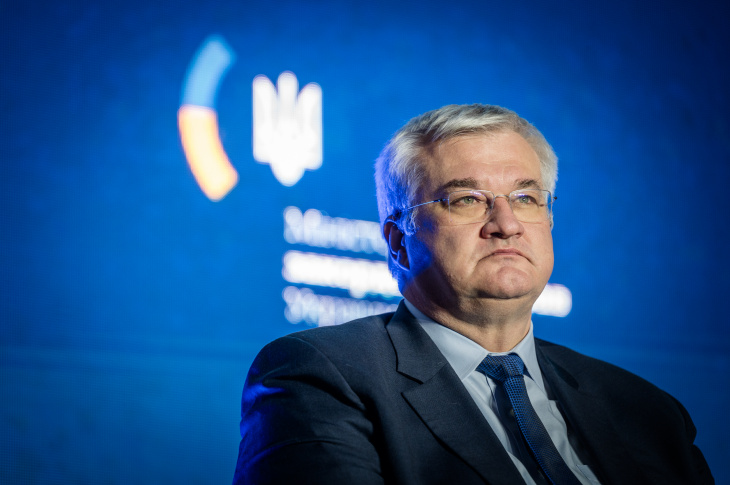
In high diplomacy, it's not loud statements but tests of intent that matter
According to Reuters, the Ukrainian Ministry of Foreign Affairs announced its support for Italy and the Vatican's call for a ceasefire for the duration of the 2026 Winter Olympic Games. Kyiv also backed the corresponding United Nations resolution calling for a temporary global truce.
Kyiv's position and a direct appeal to Moscow
Foreign Minister Andriy Sybiha emphasized that support for a truce is not merely a symbolic gesture, but a concrete mechanism to test the parties' readiness for de-escalation.
"We support this call. We are interested in a ceasefire, and if Russia refuses again, that will once more confirm who is standing in the way of peace and who wants to continue this war."
— Andriy Sybiha, Minister of Foreign Affairs of Ukraine
"Let's stop, and that will certainly open the way for broader peace negotiations."
— Andriy Sybiha, Minister of Foreign Affairs of Ukraine
Why this matters
First, it is a practical "laboratory test" for Russia's policy: agreement to a short ceasefire is the minimal indicator of readiness for the next steps in negotiations. Second, the initiative has international backing through UN and the diplomatic efforts of the US, which have already conducted several rounds of talks between the parties. Third, even a temporary truce creates space for humanitarian operations and reduces risks for the civilian population.
Reaction and possible consequences
If Moscow refuses, it will become another argument for the international coalition about who is blocking peace initiatives, and could intensify diplomatic and political pressure on the Russian Federation. If Russia agrees, the next question will be the mechanism of control, monitoring, and turning the short truce into a platform for broader negotiations.
What next?
The Olympic truce initiative is not a magic button to end the war, but an important indicator. The ball is now in Moscow's court: its response will show whether the state is ready to take at least minimal steps toward de-escalation. Ukraine's partners must now turn diplomatic declarations into concrete guarantees and control mechanisms.



