Ukraine seeks to hasten the end of the war before the U.S. elections — Sybiha on timing and risks
The Foreign Ministry says the diplomatic "impulse" must be mobilized by November. Why is Kyiv aligning itself with the U.S. election cycle, and what does that mean for negotiations and security?

By Tetiana Suchkova-Ladik
February 8, 2026 · 2 min read
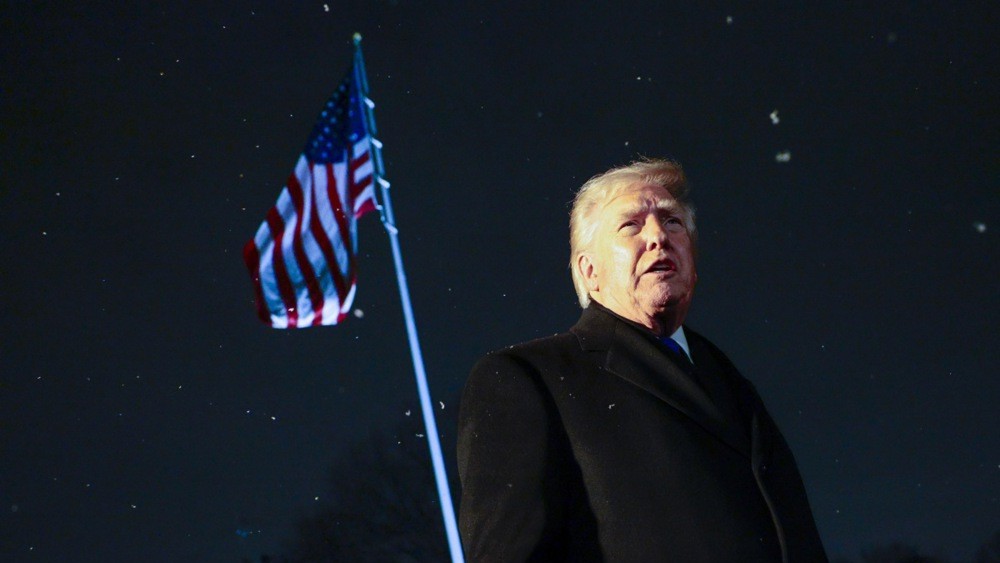
Behind the scenes of the negotiations: why timelines matter
The interview of Foreign Minister Andriy Sybyha with Reuters on February 6 contains a clear message: Kyiv seeks to accelerate the peace process and to use the diplomatic momentum ahead of key American events. This refers, in particular, to the US midterm elections to Congress in November — a factor that can change Washington's political will and the pace of assistance.
"In my assessment, we have momentum, that's true. We need to consolidate or mobilize these peace efforts, and we are ready to speed up the process"
— Andriy Sybyha, Ukraine's foreign minister
What's on the table: the 20‑point plan and "hard" questions
Sybyha confirmed that the 20‑point plan that formed the basis of the latest rounds of talks involving Ukraine, Russia and US mediation has only a few unresolved items. According to him, the most sensitive and most difficult issues require decisions at the leaders' level — therefore, technical agreements are already close, but key compromises have not yet been reached.
"Only a few items remain unresolved — the most sensitive and most difficult questions, which must be solved at the leaders' level"
— Andriy Sybyha, Ukraine's foreign minister
Ukraine's position: conditions for respecting sovereignty
The Foreign Ministry clearly rejects any attempts to legitimize Russian control over Ukrainian territories. In the same interview Sybyha emphasized that Ukraine does not recognize Crimea and parts of Donbas as Russian and will not support agreements like the so‑called "Dmitriev package" concluded in Kyiv's absence. This is a key red line for further talks.
"Ukraine will not recognize its temporarily occupied territories, Crimea and Donbas, as Russian and will not support agreements such as the 'Dmitriev package' concluded without it"
— Andriy Sybyha, Ukraine's foreign minister
Why this matters for security and support
Electoral cycles in the US genuinely affect the pace and character of international assistance: a change in the composition of Congress can weaken or strengthen funding and political backing. Therefore, it makes sense for Kyiv to seek a window of opportunity now — while there is international interest and political will among mediators.
At the same time — important operational work: to cement the agreements reached, to lock in partners' positions and to prevent the diplomatic momentum from dissipating along with electoral turbulence.
What's next
Kyiv's rhetoric is clear and consistent: mobilize diplomatic momentum, preserve red lines on territorial issues and move the talks from a tactical level to the leaders' level, where key questions are decided. As President Volodymyr Zelensky stressed, Washington had already proposed efforts to end the war by the start of summer — now the task for Ukraine and its partners is to turn such proposals into concrete agreements and guarantees.
Forecast. If the diplomatic momentum is consolidated and accompanied by strengthened political support in the US and the EU, there is a real chance to make progress on the "most difficult" points of the plan. Otherwise — the negotiation window risks narrowing as the elections approach.



