Ukrainian spied for Russia in Germany: surveillance of a Ukrainian Armed Forces veteran may have been preparation for an attack
In Hagen, Viktor M. was arrested — he had been collecting information about a former member of the Ukrainian armed forces on assignment from Russian intelligence. German prosecutors believe it was preparation for an operation on EU territory.

By Tetiana Suchkova-Ladik
March 30, 2026 · 1 min read
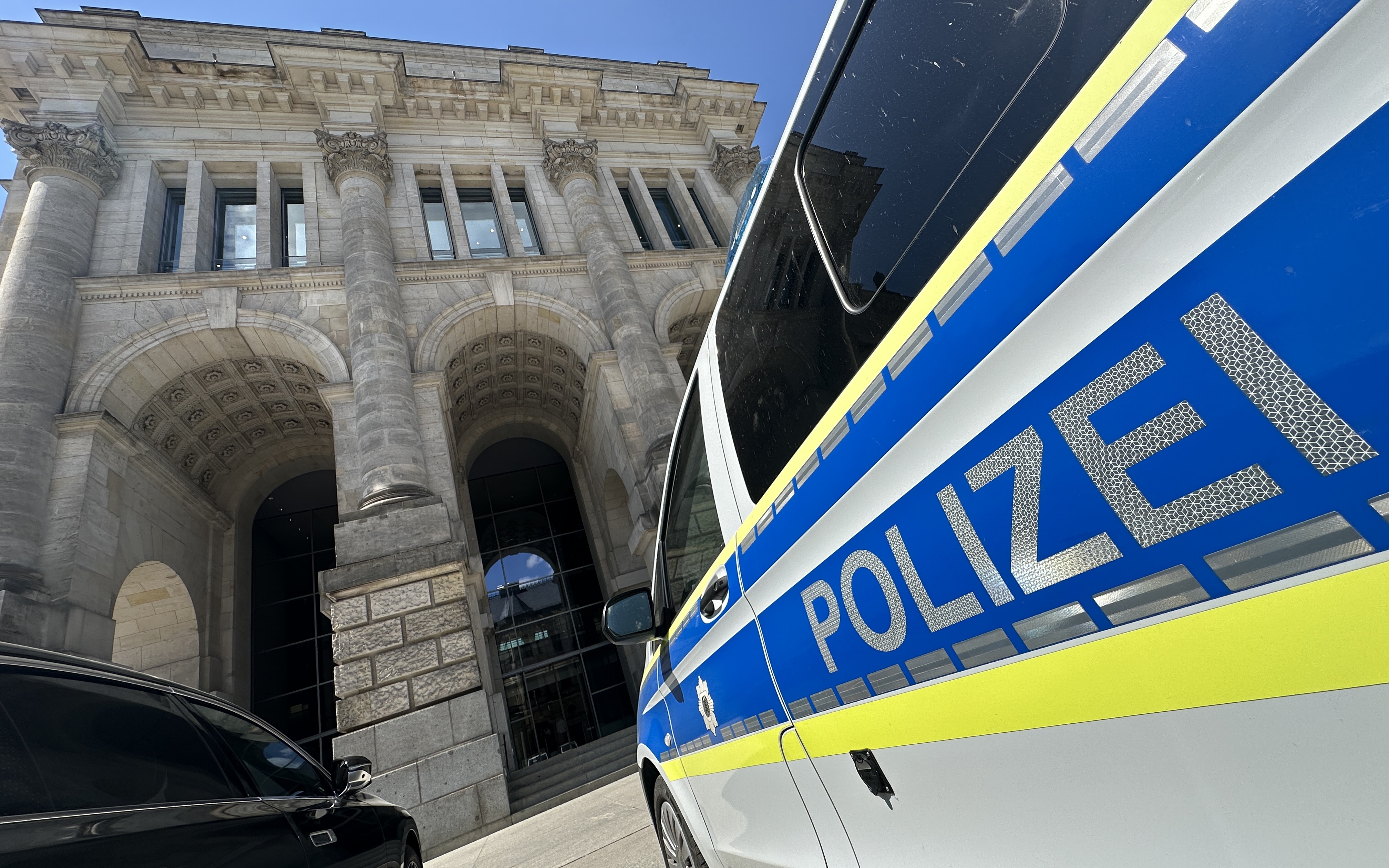
German prosecutors detained a Ukrainian citizen named Viktor M. in the city of Hagen on suspicion of spying for Russia. Judges have already issued an arrest warrant.
According to the investigation, since November 2024 the man, acting on instructions from Russian special services, had been monitoring another Ukrainian — a former fighter of the Defense Forces of Ukraine who lives in Germany. Prosecutors believe the information gathering was not an end in itself: it may have been preparing "further operations" against this person on German soil. What exactly was meant by "operations" is not specified in the case files.
The scheme is simple and well-established. Russia recruits citizens of the target country — in this case a Ukrainian — and uses them as agents in EU states. This lowers suspicion, simplifies logistics and diffuses responsibility: when a case is exposed, Moscow gains another pretext to talk about "internal Ukrainian conflicts."
This is not the first such case in Germany and certainly not the last in Europe. Austrian intelligence BVT has for years documented how Russian diplomatic missions in Vienna operate as overt intelligence hubs — with satellite dishes and systematic recruitment. Berlin, Warsaw, Prague — the geography of operations spans the whole continent, and the operatives increasingly are citizens of the target countries themselves.
For Ukrainians in Europe this case has a concrete dimension: a person who fought for Ukraine found himself targeted by Russian intelligence not on the front lines, but in a German city. The surveillance ended with the arrest of the operative — but how many similar cases never reached the prosecutor's office?
If Viktor M. did indeed act on direct orders from the FSB or GRU — and this can be proven in court — a question will arise that Berlin so far avoids stating openly: whether such operations should be considered acts of state terrorism with corresponding diplomatic consequences for the Russian representation in the country.



