Ukrainian delegation in Miami: bilateral talks with the U.S. on security guarantees, weapons and sanctions
An important round of talks between Kyiv and Washington kicks off in Miami on March 21 — a political subgroup is traveling there to negotiate guarantees, supply programs, and the format of future meetings. We explain who has arrived and why this matters for Ukraine’s security.
By Oleg Bazylewicz
March 21, 2026 · 2 min read
Briefly: what's happening and why it matters
The Ukrainian delegation has arrived in Miami for bilateral talks with the United States, Ukrinform reports. The very fact that the meeting is being held in the United States, rather than in a multilateral format, underscores the pragmatic nature of these negotiations: this is not about declarations, but about concrete bilateral agreements that will affect arms supplies and security guarantees for Ukraine.
Who is in the delegation
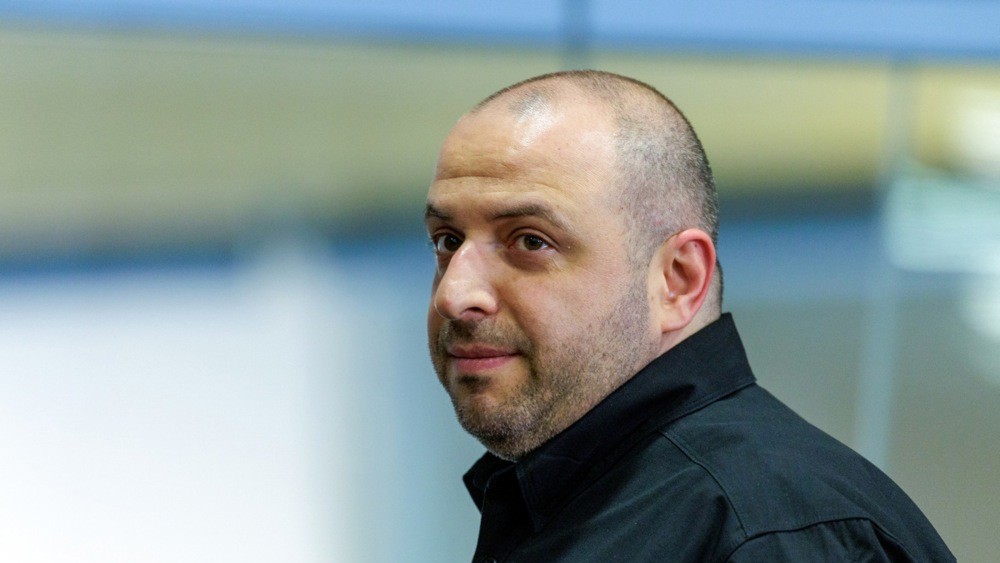
According to media reports, representatives of Kyiv's political subgroup have arrived in Miami: head of the delegation Rustem Umerov (according to sources), Kyrylo Budanov, Serhiy Kyslytsia and David Arakhamia. On the American side, the meeting will include the US president's special envoy Steve Witkoff and Jared Kushner.
Context: why the meeting is happening now
Negotiations had been taking place for several months in Switzerland and the UAE in a trilateral format, but the dialogue was suspended after the escalation in the Middle East. The presence of the American side in Miami indicates that Washington is prioritizing these issues despite regional crises — a significant signal for Ukraine, since arms deliveries and the mechanisms of guarantees depend on the reliability of partners.
Key topics of the negotiations
As the president announced, among the key topics are holding a future meeting with the Russian side, sanctions against Moscow, drafting bilateral documents on ending the war, security guarantees and reconstruction, as well as practical mechanisms for arms supplies: the PURL program and the so‑called drone deal.
"There is still no political will [for a ceasefire]. That is why the political subgroup [of the Ukrainian delegation] is on the road."
— Volodymyr Zelenskyy, President of Ukraine
What to know about risks and red lines
Some reports indicate that Russia has issued ultimatums, including a demand for the withdrawal of Ukrainian forces from Donbas — a position Kyiv rejects. The president has stressed that surrendering the region would amount to a strategic defeat and would effectively spare Putin hundreds of thousands of mobilized personnel.
Trust and process: how to assess the outcome
This meeting matters not for reading statements, but for turning declarations into concrete documents and mechanisms. Analysts note that success will be measured not by words but by signed agreements on supplies, mechanisms for monitoring implementation, and clear security guarantees for Ukraine.
Next
While attention is focused on the meeting's location and participants, the real measure will be in the texts of agreements and their implementation. The results of the Miami round will determine how quickly and systematically partners strengthen Ukraine's defense capabilities and what the roadmap will be for further negotiations, including multilateral ones.



