Ukrainians Shot Down Shaheds in the Middle East: What It Means for Ukraine
Zelensky confirmed the participation of Ukrainian specialists in the destruction of Iranian drones in several countries in the region. Behind the scenes — technology, experience and questions about reciprocity.

By Tetiana Suchkova-Ladik
April 10, 2026 · 2 min read
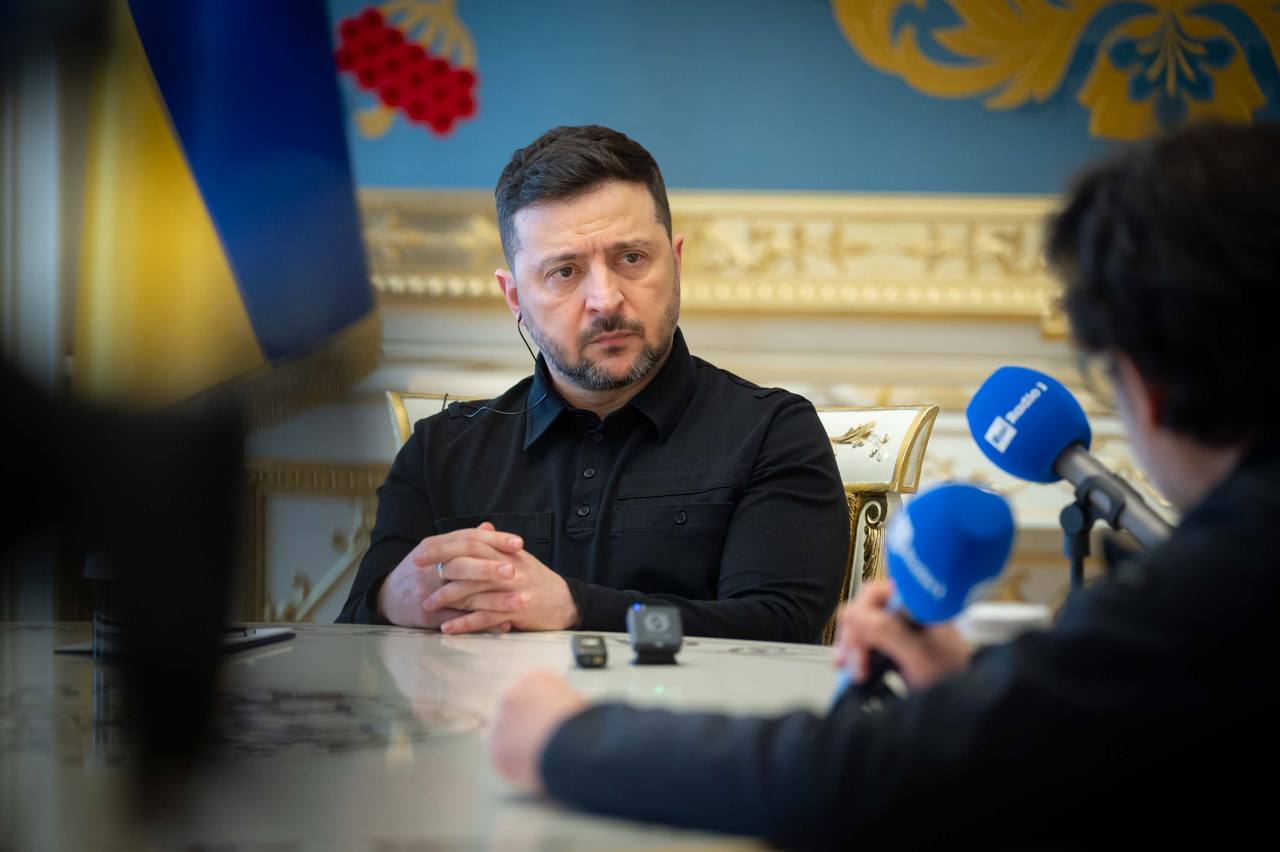
President Volodymyr Zelensky announced that Ukrainian specialists directly participated in the destruction of Iranian Shahed kamikaze drones on the territory of several Middle Eastern countries. According to his words, Ukraine is not just sharing theory — experts are working on the ground, helping partners build a comprehensive air defense system.
This is the first public confirmation of such a level of operational presence for Ukraine beyond its own territory.
Why This Matters
Over two and a half years of full-scale war, Ukraine has accumulated unique expertise: no army in the world has such experience in mass interception of Shaheds in real combat conditions. During 2024 alone, Ukrainian air defense shot down thousands of such drones — at night, under electronic warfare conditions, in dense urban environments.
Countries of the Persian Gulf, Israel, and other regional players face the same Iranian weapons — and look to Kyiv as a source of knowledge that no NATO training center can provide.
What Exactly Ukrainians Are Doing
Zelensky did not reveal the names of countries or operational details — understandably given diplomatic sensitivity. However, the fact that the president is speaking about this publicly indicates that Kyiv is deliberately positioning this experience as an exportable asset, not just a quiet gesture of goodwill.
This involves two dimensions: tactical — direct involvement in interception — and systemic — consultations in building air defense architecture. Both come with a cost in money and political obligations.
Exchange or Charity
Here a real tension emerges. Middle Eastern partners receive critically important expertise. What does Ukraine get? Zelensky speaks of "building partnerships" — a formulation broad enough to contain everything and nothing concrete.
Publicly, none of the region's countries have announced weapons supplies to Ukraine or financial compensation directly linked to this cooperation. Some Gulf states continue to balance between the West and Moscow — and are buying time by receiving Ukrainian knowledge.
The Iranian Dimension
For Tehran, this is uncomfortable news for several reasons. First, Shaheds are one of the main export products of the Iranian military-industrial complex and a tool of regional influence through proxies. Second, Ukrainian specialists who analyze shot-down samples and develop interception tactics in various geographic conditions are effectively accelerating the devaluation of this weapon.
Each downed Shahed in the Middle East is data. Data about trajectories, altitudes, flight modes, and responses to electronic warfare countermeasures. This data returns to Ukraine.
The Scale of the Phenomenon
Behind one presidential statement lies a structural shift: a country fighting for survival has become an exporter of security expertise. This changes its position in negotiations — not as a supplicant seeking help, but as a supplier of irreplaceable goods.
The question is whether Kyiv knows how to convert this asset into concrete commitments — weapons, sanctions pressure on Russia, votes in international institutions — or whether Middle Eastern partners will continue to receive expertise while maintaining convenient neutrality.



