Ultimatums not aimed at Kyiv: Foreign Ministry proposes alternatives to supplies via the "Druzhba" pipeline and appeals to the EU
Kyiv rejects energy blackmail by Budapest and Bratislava, identifies the real supply routes and urges activation of EU mechanisms — what does this mean for the stability of energy supply in the region?

By Tetiana Suchkova-Ladik
February 21, 2026 · 2 min read
Why this matters
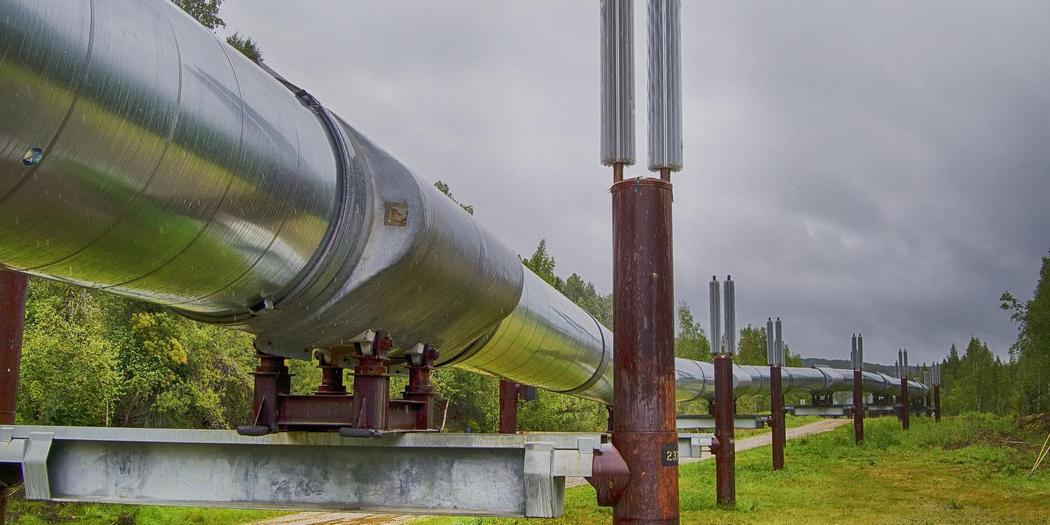
In high diplomacy, concrete steps matter more than loud statements. The Ministry of Foreign Affairs of Ukraine responded to recent threats from Hungary and Slovakia to cut energy supplies following damage to the "Druzhba" oil pipeline. This is not just rhetoric — it concerns supply routes, contractual obligations and the energy security of the entire region.
Kiev’s position: rejecting blackmail, offering alternatives
The Foreign Ministry called the actions of Budapest and Bratislava provocative and irresponsible, saying they "jeopardize the energy security of the entire region" in the context of deliberate strikes by Russian invaders on Ukrainian infrastructure. At the same time, the ministry emphasized its readiness to propose alternative oil supply routes not connected to the Russian Federation.
"Ultimatums should be sent to the Kremlin, and definitely not to Kyiv."
— Ministry of Foreign Affairs of Ukraine
What the alternatives are
Diplomatic sources and Ukrainian officials mention options including using the "Odessa–Brody" pipeline and other logistical solutions to deliver oil to Slovakia and Hungary. This is not an instant fix: technical, commercial and regulatory agreements are required, but such steps would minimize dependence on routes damaged by hostilities.
European Commission reaction and risks for partners
Brussels, represented by spokeswoman Anna-Kaisa Ikonen, publicly states that it is not putting pressure on Kyiv and is not setting deadlines for the restoration of transit. The European Commission also noted that Hungary and Slovakia currently do not face short-term shortages — they have stocks of roughly 90 days.
"We are not putting pressure on Ukraine and are not setting deadlines for the restoration of 'Druzhba.'"
— Anna-Kaisa Ikonen, spokeswoman for the European Commission
Facts to remember
- On January 27, occupiers damaged an installation in western Ukraine connected to the "Druzhba" oil pipeline.
- On February 18, Hungary and Slovakia announced the suspension of diesel fuel exports to Ukraine; two days later Budapest provided a blocked preferential loan.
- On February 21, Slovak Prime Minister Robert Fico threatened to cut electricity supplies to Ukraine if transit via "Druzhba" was not restored by February 23.
- In January, Hungary supplied about 45% of Ukraine's electricity imports.
- The contract for transit of Russian oil through Ukraine is valid until 2030.
What’s next
Ukraine is pursuing a two-pronged strategy: publicly rejecting ultimatums while simultaneously advancing practical alternatives and mechanisms for European coordination, including the Early Warning Mechanism under the EU association agreement. This is a rational response to hybrid risks — a combination of Russian military pressure and politico-economic moves by certain neighbors.
Now the ball is in the partners' court: will they turn declarations into concrete coordination of supplies and protection of contracts to avoid risks to the region's energy stability?



