Umerov in Miami: first meeting with Vykoff after three months of diplomatic pause
Negotiations between Ukraine and the United States are resuming after Washington became consumed by a Middle East crisis since the end of February. Zelenskyy has outlined three tasks for the delegation — but the key issue of security guarantees is not on the list.

By Tetiana Suchkova-Ladik
May 7, 2026 · 2 min read
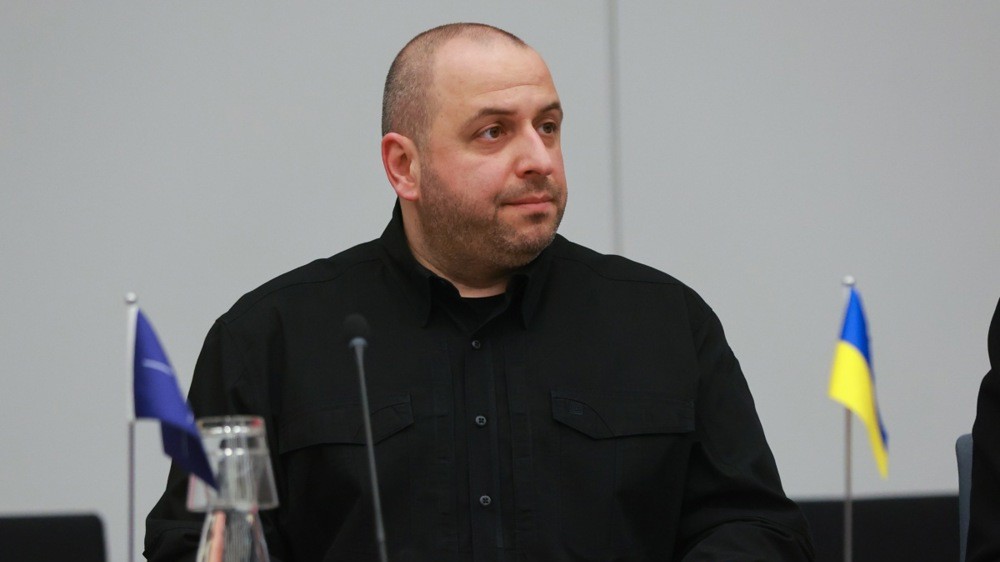
Ukraine's NSDC Secretary and chief negotiator Rustem Umerov arrived in Miami for a meeting with U.S. President's special envoy Steve Witkoff. Reuters reported this based on a source, with the Presidential Office confirming the fact. The meeting is the first since the negotiation process effectively froze.
Three months in pause mode
Since late February, diplomacy on Ukraine has taken a back seat: the negotiation process stalled due to Washington's focus on operations against Iran and the consequences of the crisis caused by the blockade of the Strait of Hormuz. The last trilateral meeting in Geneva on February 18 ended without a breakthrough — according to Axios, negotiations "hit a dead end" due to the position of the Russian side.
Now Kyiv is attempting to regain the attention of the American administration. This could mean a return of U.S. attention to the issue of settling the Russian-Ukrainian war.
What's on the agenda
President Zelensky publicly outlined three tasks for Umerov:
- Humanitarian track — preparation for the next prisoner exchange. The previous one took place in October, when 250 military personnel and civilians returned home.
- Activation of the diplomatic process — resumption of trilateral meetings involving Russia.
- Bilateral relations — issues concerning direct interaction between Kyiv and Washington.
Meanwhile, Kyiv is still waiting for something it has not yet received: Zelensky criticized the situation where American negotiators Witkoff and Kushner visited Moscow several times and had personal conversations with Putin — but never came to Kyiv during this time.
The deadlock remains
The structural contradiction hasn't gone away. Moscow demands the withdrawal of Ukrainian troops from Donetsk region. Kyiv insists: it will not cede any controlled territory and will not recognize illegally occupied lands.
"Previous rounds of negotiations achieved some progress on many issues, but the status of Donetsk region and details of security guarantees for Ukraine remain the main stumbling blocks."
Bloomberg
Shadow of scandal
Umerov's trip comes at an awkward domestic political moment for him. The NSDC Secretary was summoned to a Verkhovna Rada TSK session scheduled for May 13, following the release of new audio recordings in the "Midas" case, which feature his conversations with businessman Timur Mindich. The National Security and Defense Council reported that he cannot appear due to official business abroad. Umerov's press service stated that competent authorities should verify the authenticity of the recordings.
If Witkoff finally confirms a visit to Kyiv after Miami — this would be the first real signal that the United States has returned to the process as a full-fledged mediator, rather than merely as a channel between Moscow and Washington.



