USS Tripoli arrives in the Middle East with over 3,500 Marines — what does this mean for Ukraine?
An America-class amphibious assault ship has entered the CENTCOM area with a large assault group. We explain why this U.S. reinforcement matters specifically for Kyiv: from risks of escalation to opportunities for cooperation with Persian Gulf countries.

By Tetiana Suchkova-Ladik
March 28, 2026 · 2 min read
What happened
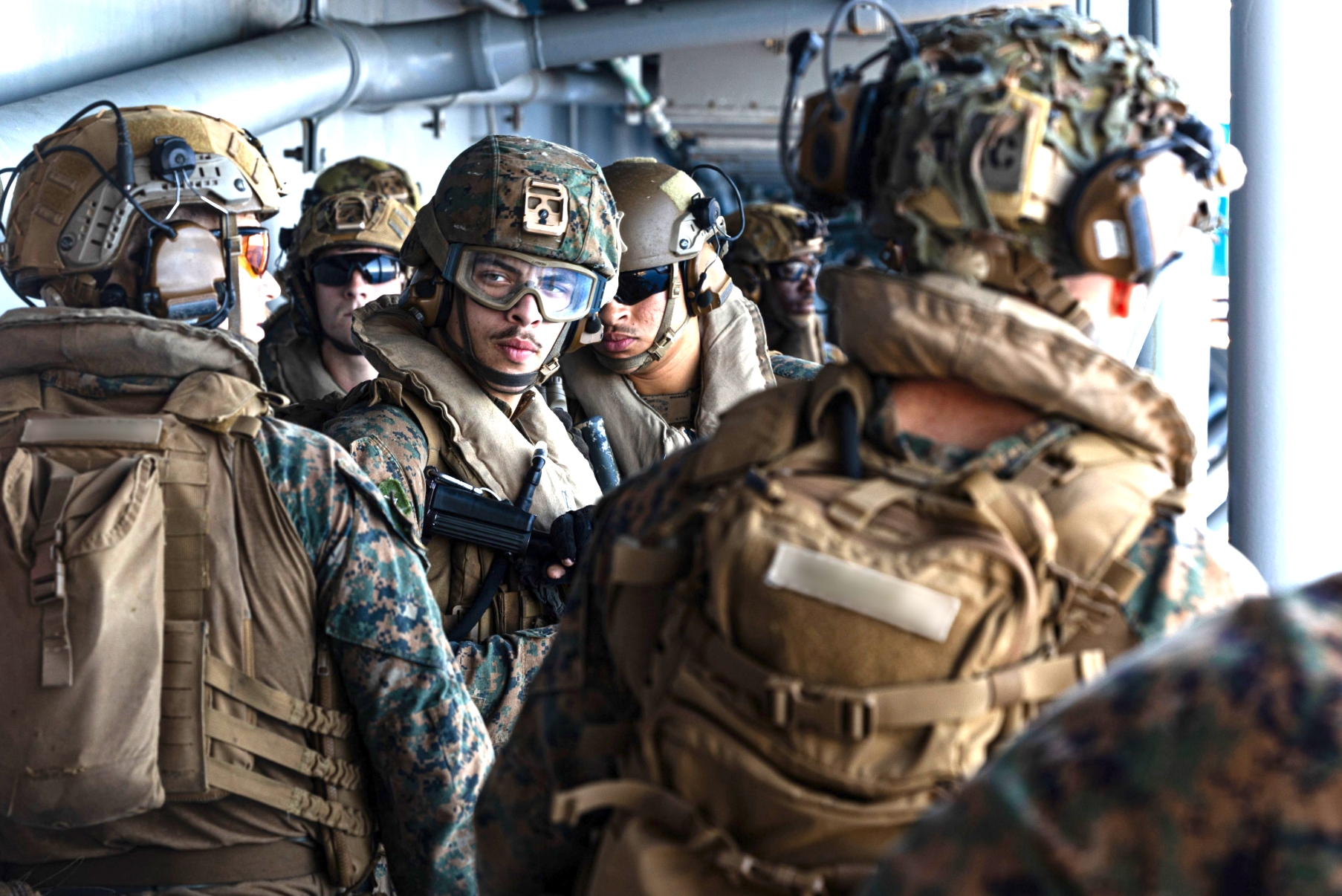
The U.S. Navy amphibious assault ship USS Tripoli arrived in the area of responsibility of U.S. Central Command (CENTCOM). On board are about 3,500 Marines, as well as transport and strike aircraft, amphibious assault forces and tactical assets, CENTCOM reported.
«U.S. Sailors and Marines aboard USS Tripoli (LHA 7) arrived in the U.S. Central Command area of responsibility, March 27. The America-class amphibious assault ship serves as the flagship for the Tripoli Amphibious Ready Group / 31st Marine Expeditionary Unit…»
— U.S. Central Command (CENTCOM), official tweet
U.S. position: increased presence, not provocation
According to American sources, the deployment is intended to strengthen the ability to respond to threats in the region after a deterioration in U.S.–Iran relations. This is a classic example of a show of force aimed at deterrence, not an automatic intent to launch a ground operation.
Why this matters for Ukraine
First, escalation in the Middle East can divert diplomatic and military resources of partners. Second, stability of energy and financial flows from the region is important for Ukraine: any major war there could hit the global economy and logistics. Third, Kyiv is actively working to expand cooperation with Gulf countries — deliveries of drones, technologies and political contacts may gain both new opportunities and risks due to shifting priorities among regional actors.
«If the U.S. and Israel start a ground operation in Iran, it could turn into a catastrophe for the military»
— Valeriy Zaluzhny, Ukraine's ambassador to the United Kingdom, former commander-in-chief of the Armed Forces of Ukraine (The Telegraph)
Scenarios to keep in view
Most realistic: a show of force and limited operations to deter without an open ground campaign. This will preserve space for diplomacy but will raise tensions.
Risk of escalation: a wider conflict would lead to spikes in prices, disruption of supply chains and complicate Ukraine's access to arms markets and financing in the short term.
Window of opportunity: if Kyiv manages to conclude substantive deals with Gulf partners before further deterioration, this would strengthen the resilience of its defense sector and the economic base for prolonged resistance.
What’s next
While the U.S. strengthens its presence in the region, Ukraine should act on two tracks: intensify diplomatic contacts with Gulf countries and simultaneously hedge against external shocks — by diversifying supplies, insuring against risks and accelerating defense partnership agreements. Analysts and media (including CBS News, The Telegraph, LIGA.net) stress that scenarios remain open — much depends on decisions by Washington and regional capitals.
Summary: the arrival of USS Tripoli is an important indicator of U.S. regional strategy. For Ukraine it is both a warning of possible complications and an opportunity to accelerate practical cooperation with new partners. Now the move is up to Ukrainian diplomacy and the defense industry: can they turn the world's attention into concrete contracts, and not just statements?



