Ust-Luga Resumed Operations on April 5 — and Is Already on Fire Again on the 7th
Two days after a partial resumption of oil exports, Bloomberg recorded a new drone attack. The port, which handled over 130 million tons of cargo annually, came under fire for the fifth time in ten days.

By Tetiana Suchkova-Ladik
April 7, 2026 · 2 min read
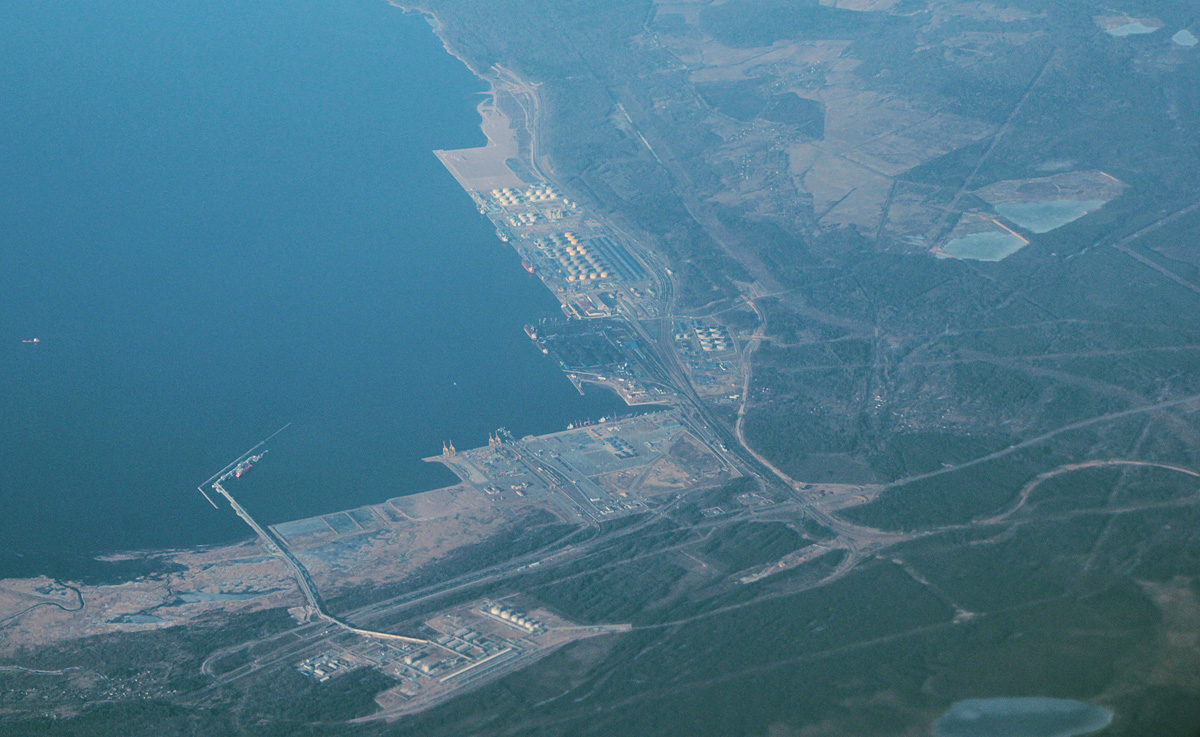
Early on April 7, Leningrad Region came under drone attack again. Governor Alexander Drozdenko confirmed a fire in the Ust-Luga port area. The Telegram channel Supernova+, which tracks strikes on Russian facilities, shared video of a new fire.
The strike came 48 hours after Bloomberg reported on partial restoration of port operations: on April 5, the Aframax-class tanker Jewel began loading — the first since late March. According to the agency, the restoration suggested an attempt to return the port to a minimally functional mode rather than actual elimination of the consequences of previous strikes.
«A fire containment operation is underway in the Ust-Luga port area»
Alexander Drozdenko, Governor of Leningrad Region, April 7
Ten Days, Five Strikes
According to Reuters, the April 7 attack is already the fifth on Ust-Luga in the last ten days. During the most massive strike in late March, according to BBC estimates based on satellite imagery and NASA thermal data, at least eight oil storage tanks in the port itself were damaged or destroyed. The fire was visible from Finland.
Ust-Luga is one of Russia's largest universal ports on the Baltic. In 2025, its cargo turnover reached 130.5 million tons: crude oil, petroleum products, coal, grain, and fertilizers. Oil transshipment capacity is approximately 700,000 barrels per day.
What It Means for the Russian Budget
According to Reuters calculations based on market data, at peak levels in March, up to 40% of Russia's oil export capacity was blocked. By early April, this figure had decreased to approximately 20%, but agency sources say that even this is enough to affect extraction volumes. According to Bloomberg, following the series of strikes, Baltic ports reduced supplies to the lowest level since 2022.
According to Financial Times estimates, the attacks deprived the Kremlin of windfall oil profits at a time when prices rose amid Middle East tensions. Oil and gas provide a quarter of revenues to Russia's state budget. State company Transneft refused to comment to Bloomberg on the resumption of operations.
Notably, Finnish Member of Parliament Heikki Autto called on the EU in comments to Reuters to impose stricter sanctions against Russian oil—without waiting for drones to destroy the ports.
Context: Risks and Boundaries
The Times previously noted that strikes on Baltic infrastructure create certain risks for NATO member countries in the region, primarily due to proximity to sea routes. This aspect remains a subject of discussion in Brussels, but no public objections from allies have been forthcoming.
Kyiv Independent clarifies that the Armed Forces of Ukraine or the SBU have publicly confirmed involvement in individual strikes — in particular, the SBU took responsibility for the March 29 strike, calling it a strike on oil terminal infrastructure. Details of the April 7 attack have not been officially confirmed by the Ukrainian side.
If the port shuts down shipping again, it would mean that the April 5 restoration was merely a technical pause between strikes, not a real return to operational stability. The practical question is: can Russia maintain even minimal oil exports through the Baltic given that attacks continue at a frequency of once every two days?



