Washington on the verge of a historic decision: U.S. prepares to support foreign contingent in Ukraine if Russia attacks
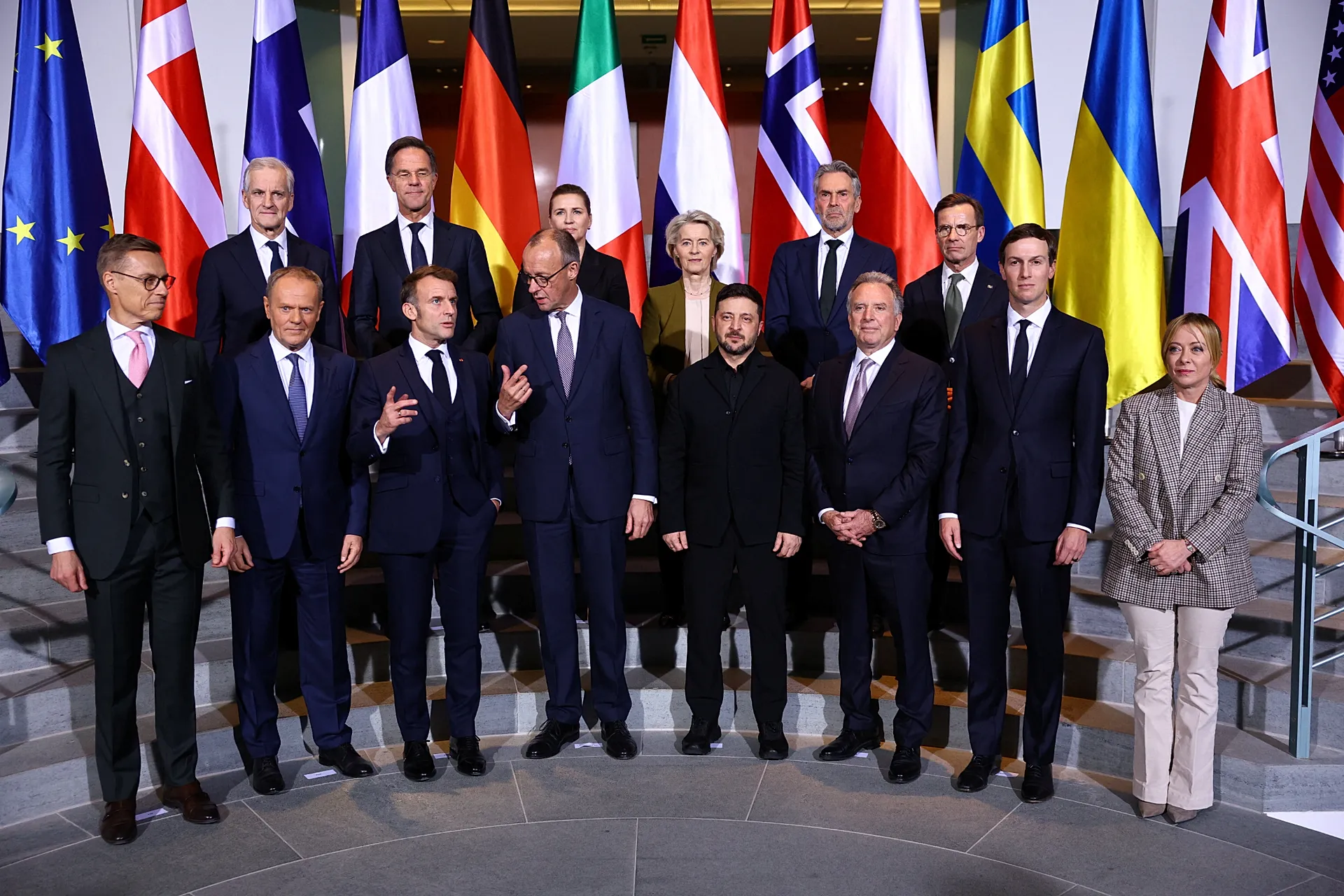
Behind the scenes at the Élysée Palace, a document is being prepared that could fundamentally reshape Europe’s security architecture. While thirty world leaders and President Volodymyr Zelensky are ironing out final details, a draft declaration obtained by the media describes the role of the United States as an "insurance policy" for future multinational forces in Ukraine.

By Tetiana Suchkova-Ladik
January 6, 2026 · 1 min read
American “umbrella” over the coalition: what’s in the draft document?
According to the draft declaration for the Paris summit, which was obtained by AFP, and information from the communication platform in France “Unis pour l’Ukraine”, the so‑called “Coalition of Volunteers” (mostly European allies of Kyiv) is preparing to confirm the creation of multinational forces. These forces are expected to receive commitments from the United States for “support in the event of a Russian attack” following a potential ceasefire.
It is important to understand that the document is currently a draft and may be changed, but the main direction is clear: partners are preparing to give Ukraine not just words, but “politically and legally binding guarantees.”
“Coalition partners and the United States will play a vital role in close coordination in providing these security guarantees.”
— from the draft declaration of the Paris summit
Who will monitor the “quiet”?
Discussions around the text indicate that future compliance with a ceasefire regime may fall under the direct “oversight” of the United States with active participation from other coalition members. This means Washington is considering becoming not merely an observer but a guarantor that any provocation by the aggressor will not go unanswered.
Why does this matter?
Even at the discussion stage, a draft declaration like this is a powerful psychological blow to the Kremlin’s strategy. For years Russia relied on the assumption that the United States would distance itself from European security. Now we are seeing preparations for a “chain reaction”: an attack on a European peacekeeper in Ukraine could trigger American support. As Cold War experience shows, such clarity in the commitments of major powers is the most reliable deterrent against a large-scale war. We await the official publication of the final text, which is meant to become a legal snare for any aggressive intentions of the enemy.



