Washington will hold talks with Iran and separate sessions on Ukraine and Russia in Geneva — what this means for Kyiv
On February 17 in Geneva, the United States is holding a morning meeting with Tehran and afternoon talks involving Ukraine and Russia. Reuters reports — we examine why the concurrent scheduling of the sessions matters for Kyiv's security and diplomatic position.

By Tetiana Suchkova-Ladik
February 14, 2026 · 2 min read
What happened
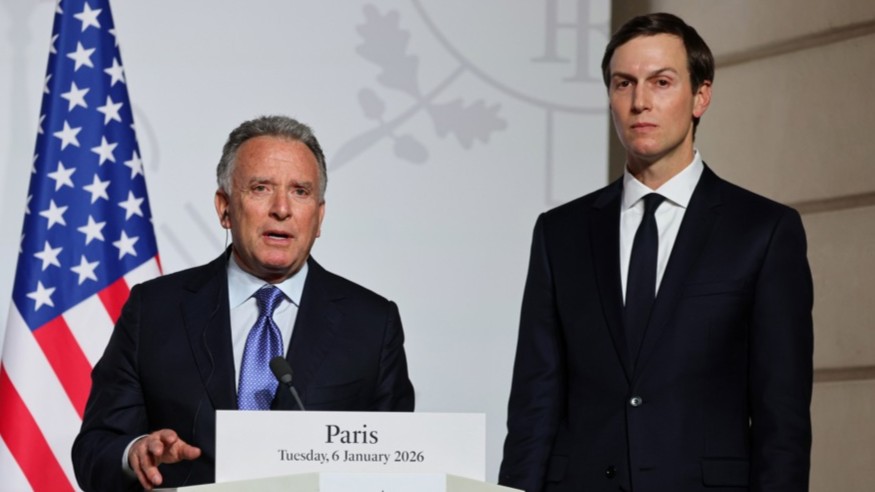
According to Reuters, two sessions involving the American delegation will take place in Geneva on February 17: in the morning — talks with parties from Iran (with mediators from Oman), and in the afternoon — trilateral talks involving the U.S., Ukraine and Russia. The Ukrainian side and the Russian delegation have confirmed meetings for February 17–18.
Who will sit at the table
Reuters names the U.S. president’s special envoy Steve Witkoff and Jared Kushner as members of the American delegation. Earlier U.S.-Iran meetings were held in Oman (most recently on February 6). The Russian delegation this time will be led by Vladimir Medinsky — he was Moscow’s chief negotiator during the talks in Istanbul.
"It seems that would be the best thing that could happen"
— Donald Trump, quote via Axios regarding the possibility of regime change in Iran
Why it matters for Ukraine
The simultaneity of the two tracks gives Washington flexibility: the U.S. can synchronize pressure and proposals across different theaters, preventing one negotiation process from completely dominating the other. For Kyiv, this means that:
- talks with Russia are taking place against the backdrop of a broader diplomatic game in which Washington is trying to preserve leverage;
- Ukraine is participating in the negotiation process despite a lack of compromise — a signal of willingness to engage in dialogue without abandoning key national interests;
- the details of protocols, the composition of delegations, and whether concrete steps on control, disengagement or security will be recorded — not just declarations — will be important.
Risks and expectations
Medinsky’s return to the negotiation process may carry symbolic and practical significance — for Moscow it is a way to confirm readiness to engage in dialogue through political channels rather than only by force. As Foreign Minister Andriy Sybiha noted, he does not know what this return means, and he recalled Medinsky’s "historical pseudo-lectures" during previous meetings, which adds an element of distrust to the negotiations.
"I don't know what the return of Putin's adviser to the negotiation process means"
— Andriy Sybiha, Ministry of Foreign Affairs of Ukraine
Analysts point out: the success of these sessions will depend less on media effect and more on technical details — who will sign what, which verification mechanisms will be written in, and whether the talks can turn from declarations into enforceable agreements.
Brief conclusion
Two sessions in one day are a diplomatic tool that gives the U.S. the ability to maneuver and keep several regional issues in view simultaneously. For Ukraine, the main priority is to ensure that any agreements include security guarantees and control mechanisms. The next steps will show whether diplomatic activity will translate into concrete results for security and the restoration of territorial integrity.



