Murder of Andriy Parubiy: Indictment Filed in Court — Suspect Faces Life Sentence
The case has been sent to court: investigators charge the suspect with treason and the murder of a state official, which has direct consequences for Ukraine's security.

By Tetiana Suchkova-Ladik
March 11, 2026 · 2 min read
Briefly
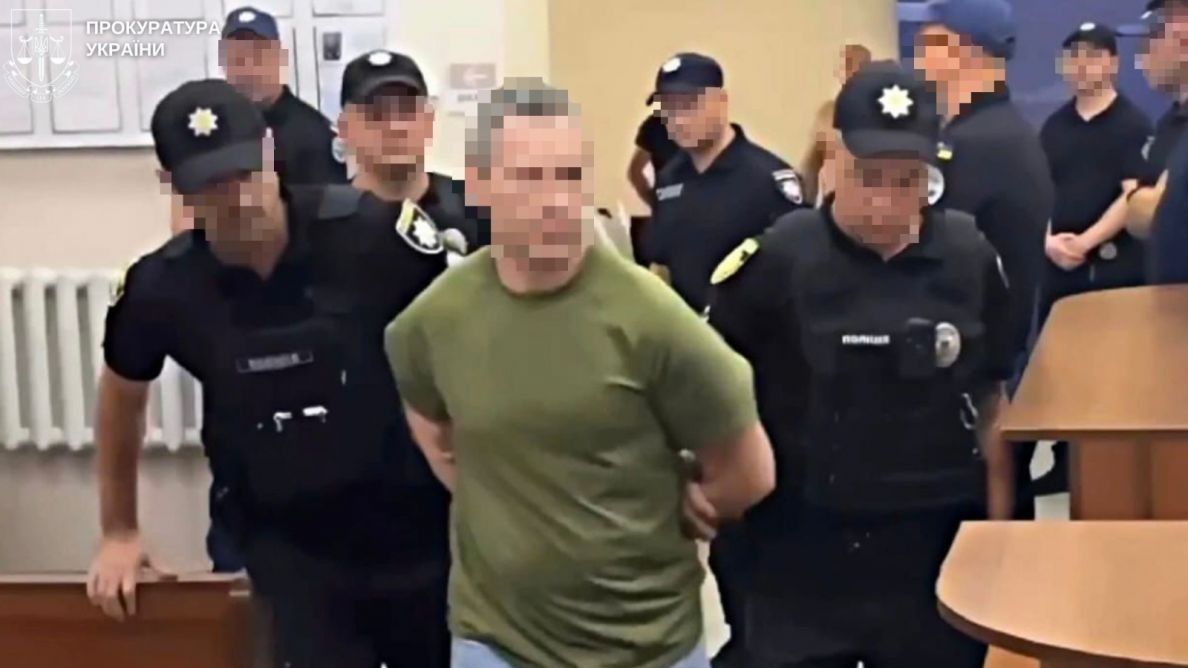
Law enforcement has completed the investigation into the murder of Member of Parliament and former Speaker of the Verkhovna Rada Andriy Parubiy and has forwarded the indictment to court. According to the Prosecutor General's Office and the SBU, the 53‑year‑old man from Lviv is charged with several serious crimes; he could face life imprisonment.
"The investigation is complete, the indictment has been sent to court"
— Ruslan Kravchenko, Prosecutor General
What he is accused of
Investigators have brought five counts against the suspect, including treason, an attempt on the life of a state figure (committed in connection with his state and public activities, by prior conspiracy of a group of persons), public calls for the violent change of the constitutional order using the media, illegal handling of weapons, and glorification of Russian aggression. These episodes form a complex indictment with clear political and security components.
Recruitment mechanism and motive
According to the investigation, in 2024 the man was recruited by Russian intelligence services while seeking information about his son, who went missing in a combat zone. After being recruited, he allegedly passed to the enemy the locations of Ukrainian units and data on the movements of rail convoys carrying fuel.
Investigators also claim the Russian side proposed a "more complex task" — the physical elimination of a state figure, and the suspect selected Parubiy "for ideological reasons." After the crime, authorities report, he attempted to destroy evidence and cross the border.
Context and security implications
This case goes beyond a criminal incident — it underscores several alarming trends: the use of information channels for recruitment, targeted collection of logistics data about supplies, and attempts to eliminate public figures as an instrument of external influence. For the state, it is a signal to strengthen protection of critical infrastructure, information security, and engagement with families of service members who find themselves in vulnerable positions.
Public and institutional reaction
Friends and colleagues of Parubiy immediately linked the murder to actions by the Russian Federation, and the president posthumously awarded him the title Hero of Ukraine — not only recognition of personal bravery but also a political marker of the scale of the state's loss. Law enforcement agencies insist on a complete evidentiary base before trial; the public expects a transparent process and a just verdict.
What happens next
The case will be heard in court — a decisive stage: whether the investigators' conclusions will become indisputable judicial decisions that strengthen accountability for crimes against the state. At the same time, it is important that institutions use this case to pursue systemic reforms in security and countering foreign agents.
Forecast: if the court confirms the charges, the case will set a precedent for increased accountability for actions that threaten national security. If not — there is a risk of reputational damage for investigative bodies and renewed attempts at informational influence.



