Vance called energy sanctions against Russia "seeds of war" — and proposed American gas
U.S. Vice President J.D. Vance has criticized European restrictions on Russian energy, calling them a threat to stability. Behind the scenes, American liquefied natural gas is being promoted as an alternative.

By Tetiana Suchkova-Ladik
April 7, 2026 · 2 min read
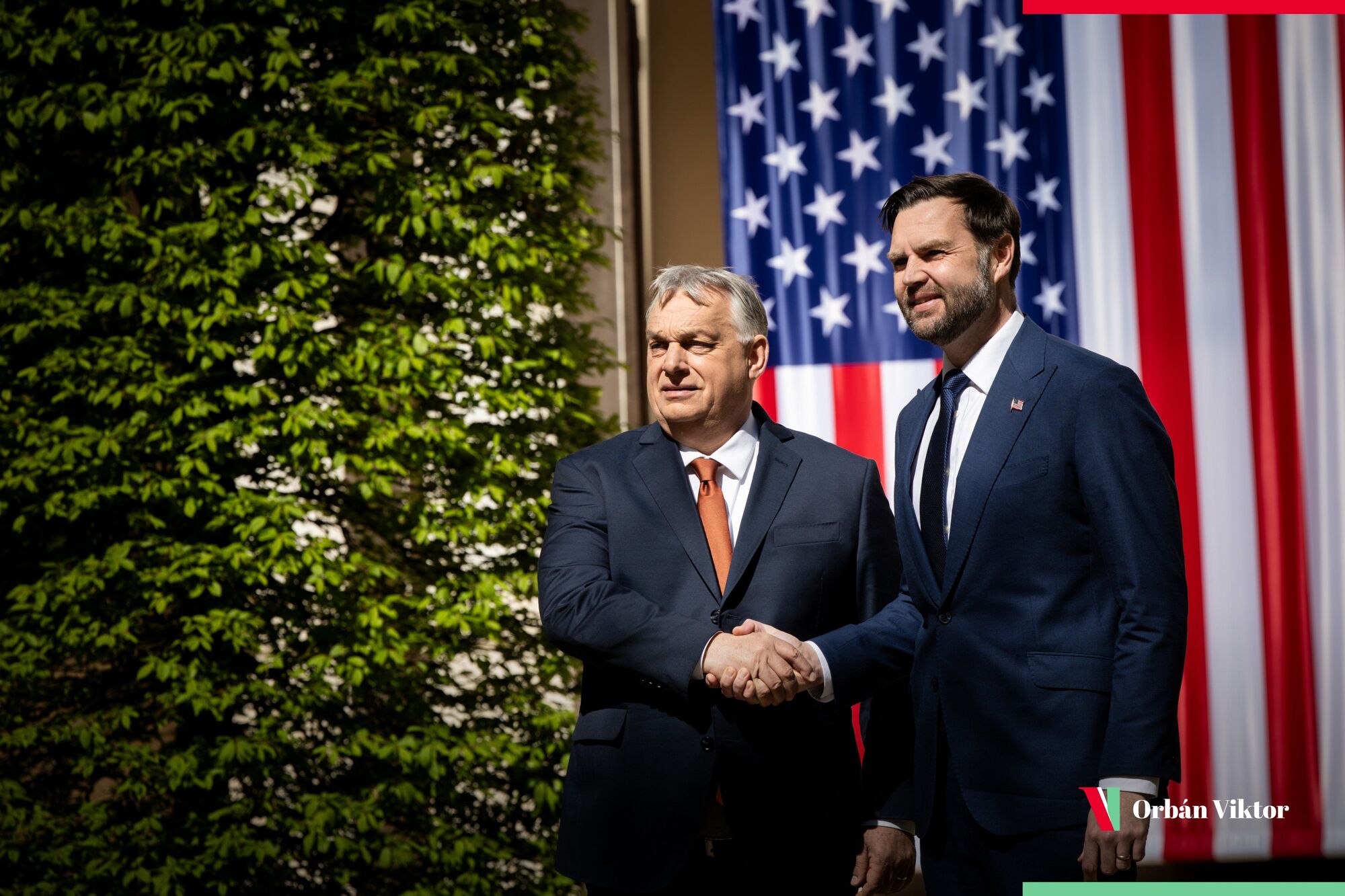
U.S. Vice President JD Vance called European sanctions on Russian oil and gas "seeds of future war." The comment came as Washington actively promotes its own liquefied natural gas as a replacement for Russian energy sources in Europe.
Vance argues that restrictions on energy resources "from the east" destabilize the economies of European countries and create conditions for new conflicts. At the same time, he emphasized that the United States is ready to help allies with gas supplies — American gas.
Context is important here. Following Russia's full-scale invasion of Ukraine, the European Union reduced its dependence on Russian gas from over 40% to less than 15% of total consumption. This came at the cost of record energy spending, deindustrialization risks, and reorientation toward American LNG, Norwegian gas, and renewable energy.
Critics of Vance's rhetoric point out the obvious: calling sanctions "seeds of war" when the war itself has been ongoing for three years is an inversion of cause and effect. Sanctions are a response to invasion, not its cause.
However, there is an economic reality that should not be dismissed. American LNG costs Europe more than pipeline Russian gas. This difference undermines the competitiveness of European industry — and this is real tension within the transatlantic alliance.
Vance's position fits into a broader picture: the Trump administration is consistently pressuring Europe on trade, defense spending, and now energy. Each of these tracks separately looks like a bilateral issue, but together they form a systemic review of partnership conditions.
For Ukraine, this has direct significance: if Washington begins to publicly legitimize the narrative about the "provocativeness" of sanctions, it weakens the consensus on economic pressure on Moscow — regardless of how much American LNG is sold in the process.
The question that remains open is: if the United States simultaneously sells gas to Europe and criticizes sanctions, what makes this support reliable — and under what conditions is Washington willing to forgo its own commercial interest for the sake of allied solidarity?



