Vance limited Kellogg's contacts with Russia — what this means for negotiations on Ukraine
The New York Times reports: Vice President J.D. Vance ordered special envoy Keith Kellogg to be kept "as far away from the Russians as possible." We explain why this matters for the U.S. position and for Ukrainian security.

By Tetiana Suchkova-Ladik
December 31, 2025 · 3 min read
What happened
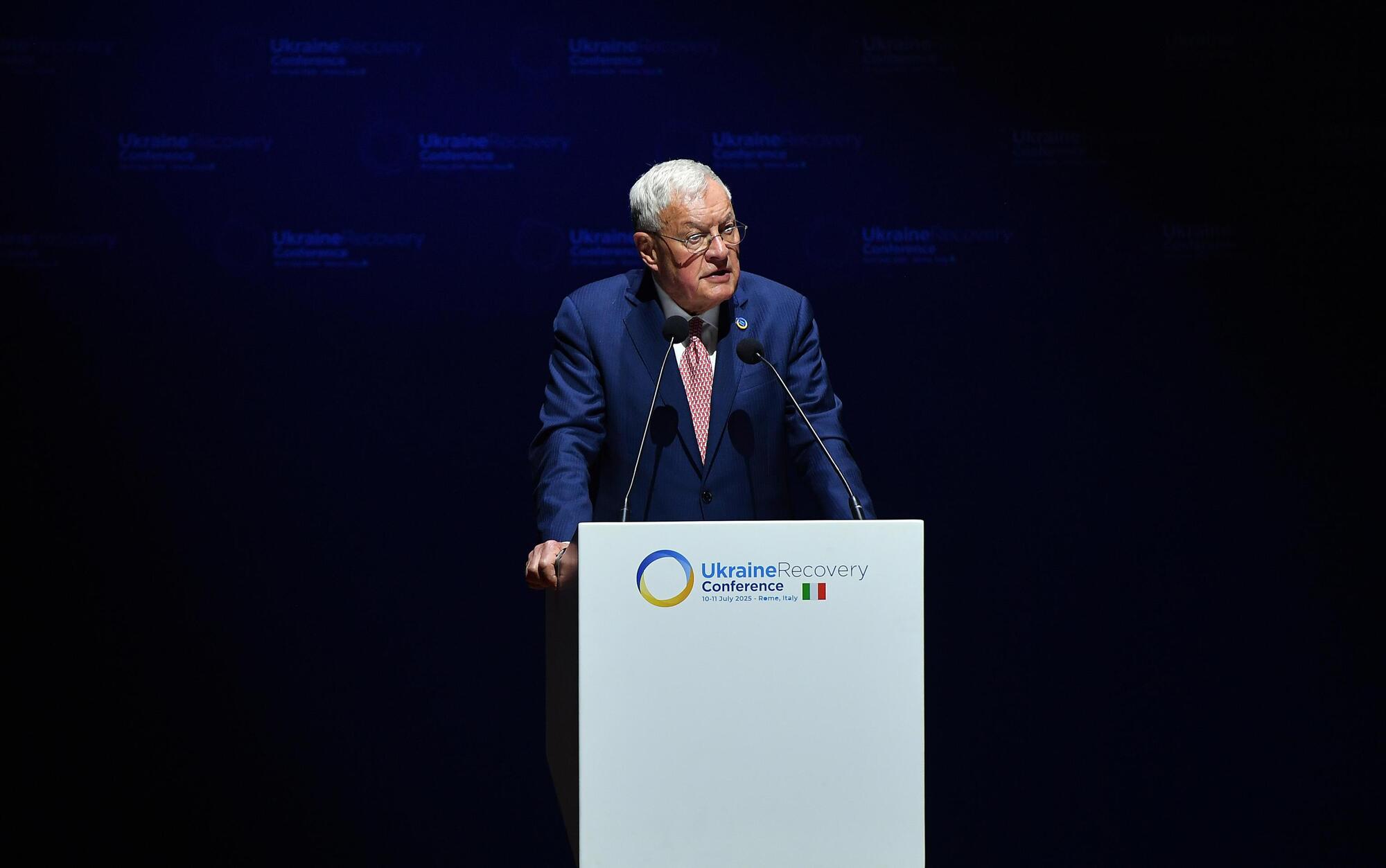
Based on reporting by The New York Times, U.S. Vice President J. D. Vance ordered his advisers to keep the special envoy for Ukraine and Russia, Kit Kellogg, “as far away from the Russians as possible.” The NYT investigation is based on interviews with about three hundred officials and diplomats and describes an internal struggle at the White House over the format of the American position on the war in Ukraine.
Briefly about Kit Kellogg — why he raised concerns
Kellogg has a long career in the intelligence services and the military: the NYT piece emphasizes his experience in special operations units and the formation of his views during the “Cold War” era. He himself believed that without careful control of negotiations with Russia the consequences for the U.S. and Europe could be catastrophic. The article also mentions a personal account of an incident in 2000 after which Kellogg suspected an attempted poisoning — presented as a factor in his distrust of the Russian leadership.
At the same time, Kellogg’s appointment almost immediately sparked ideological confrontation: some of Vance’s close associates and outside partners considered him a relic of the “Cold War” and feared that such an approach might only prolong hostilities rather than bring peace talks closer. According to the NYT, part of the administration limited Kellogg’s authority, allowing him contacts with Ukrainians and Europeans, but not with Russians.
"Kellogg can talk to Ukrainians and Europeans, but keep him as far away from the Russians as possible."
— J. D. Vance, U.S. Vice President (according to The New York Times)
Why this matters for Ukraine
This decision is not just a personnel story. First, it demonstrates that internal political balances in Washington play a significant role in determining U.S. policy toward Russia and Ukraine. Second, restricting the contacts of one of the special envoys means that the negotiating line from the U.S. side was shaped by other people — in this case the representative in talks with the Russians became Steve Witkoff, a Trump ally. Such a change of intermediaries alters the tone and emphasis of the negotiation.
For the Ukrainian side this has two practical consequences: the risk of messaging inconsistencies among allies (which weakens unified positions) and the potential for delays or recalibration of negotiation arrangements. Reuters adds that the special envoy post is temporary — to remain in it for more than a year requires Senate confirmation — and, according to the agency, Kellogg plans to leave the post in January 2026.
What next — a short forecast
Vance’s decision signals a desire among part of the administration to avoid risky direct contacts with the Kremlin through figures with very hardline personal positions. On the other hand, frequent personnel changes and internal tensions give Moscow reason to interpret Washington’s signals ambiguously. For Ukraine this means: strategic interests — supporting defense capability and diplomatic coordination — should become the priority regardless of individuals.
In the near term, two things should be watched: whether the internal debate in the U.S. will transform into clear policy (rather than a series of personal decisions), and how this will affect the pace and format of international assistance to Ukraine.
Sources
Materials from The New York Times (an investigation based on ~300 interviews) and Reuters (reporting on the length of tenure) were used as the main sources for this note.



