Vance travels to Pakistan — and warns Tehran en route
# US Vice President Publicly Warns Iran Against Stalling Nuclear Negotiations While Pursuing Separate Diplomatic Track in South Asia The US Vice President publicly cautioned Iran against attempting to delay nuclear negotiations while simultaneously pursuing a separate diplomatic initiative in South Asia.

By Tetiana Suchkova-Ladik
April 10, 2026 · 1 min read
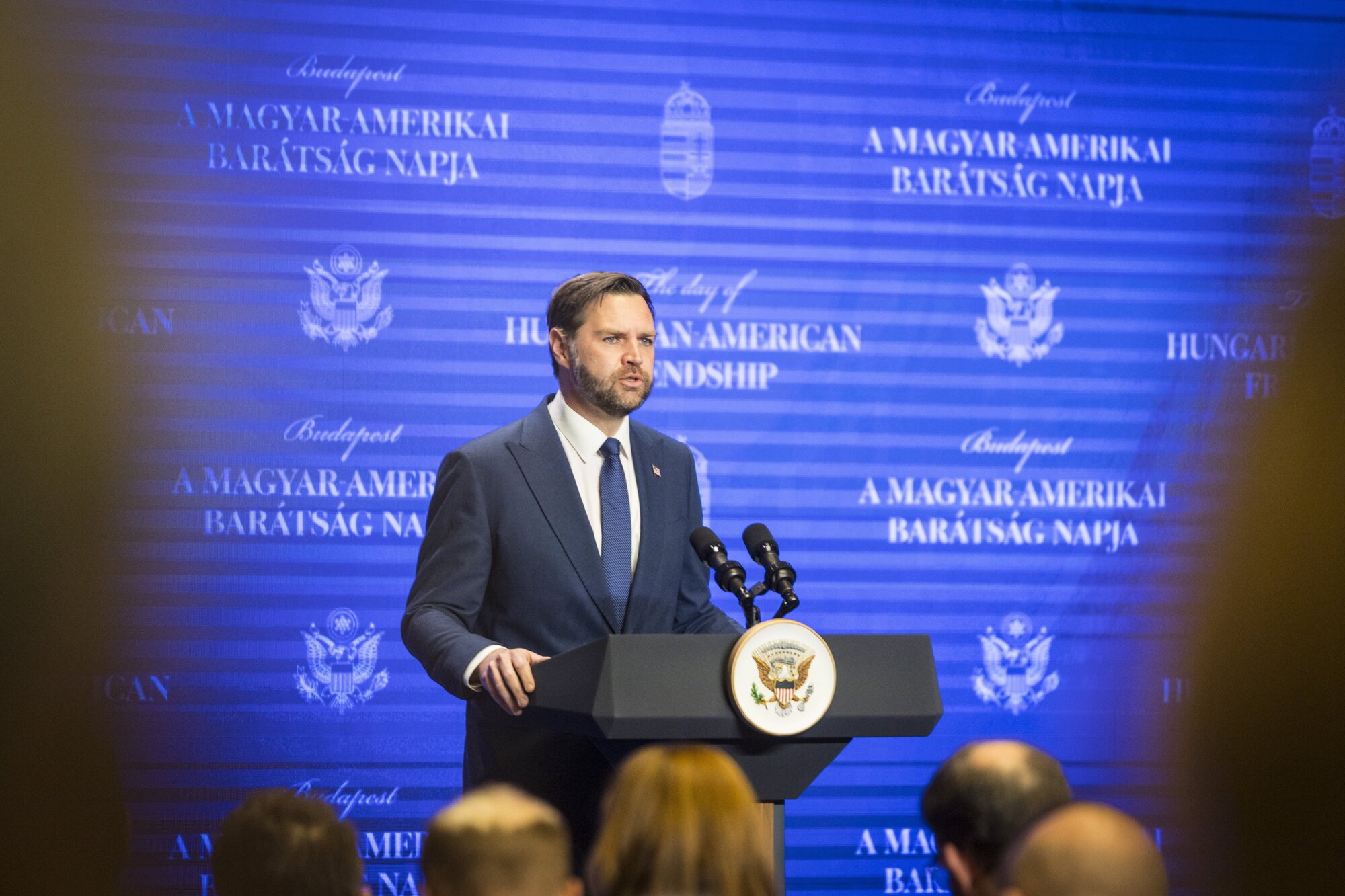
JD Vance embarked on an official visit to Pakistan — and during the flight itself, made a statement not addressed to Islamabad, but to Tehran.
"Iran should not play games with us," he told journalists on board. According to him, Donald Trump gave clear instructions to the American negotiating team regarding the nuclear file: either a deal with real guarantees, or consequences. Vance did not specify which ones, but the tone left no room for ambiguity.
The parallel nature of two diplomatic tracks — Iranian and Pakistani — is no accident. Washington is attempting to simultaneously maintain pressure on Tehran and stabilize relations with Islamabad against the backdrop of another escalation between Pakistan and India. Vance in this configuration acts as both a messenger and a signal-sender.
The problem is that "Trump's clear instructions" so far exist as a public thesis, not as a verified negotiating position. Previous rounds of U.S.-Iranian contacts — including indirect negotiations through Oman — have not concluded with any documented progress. Tehran traditionally uses pauses between rounds to increase uranium enrichment, making rhetoric about "games" somewhat belated.
Does Vance's trip to Pakistan mean the Trump administration is deliberately linking the South Asian and Middle Eastern tracks into a single pressure strategy — or is this merely a calendar coincidence being presented as a concept?



