Verkhovna Rada asked the IOC to reinstate the ban on athletes from Russia and Belarus — a matter of principle and security
Parliament has appealed to world leaders and the International Paralympic Committee, demanding the reinstatement of a full ban on participation by athletes from Russia and Belarus in international competitions. We examine why this matters now and what consequences it could have for the 2025 Paralympics and international sport.

By Tetiana Suchkova-Ladik
December 18, 2025 · 2 min read
What the Verkhovna Rada did
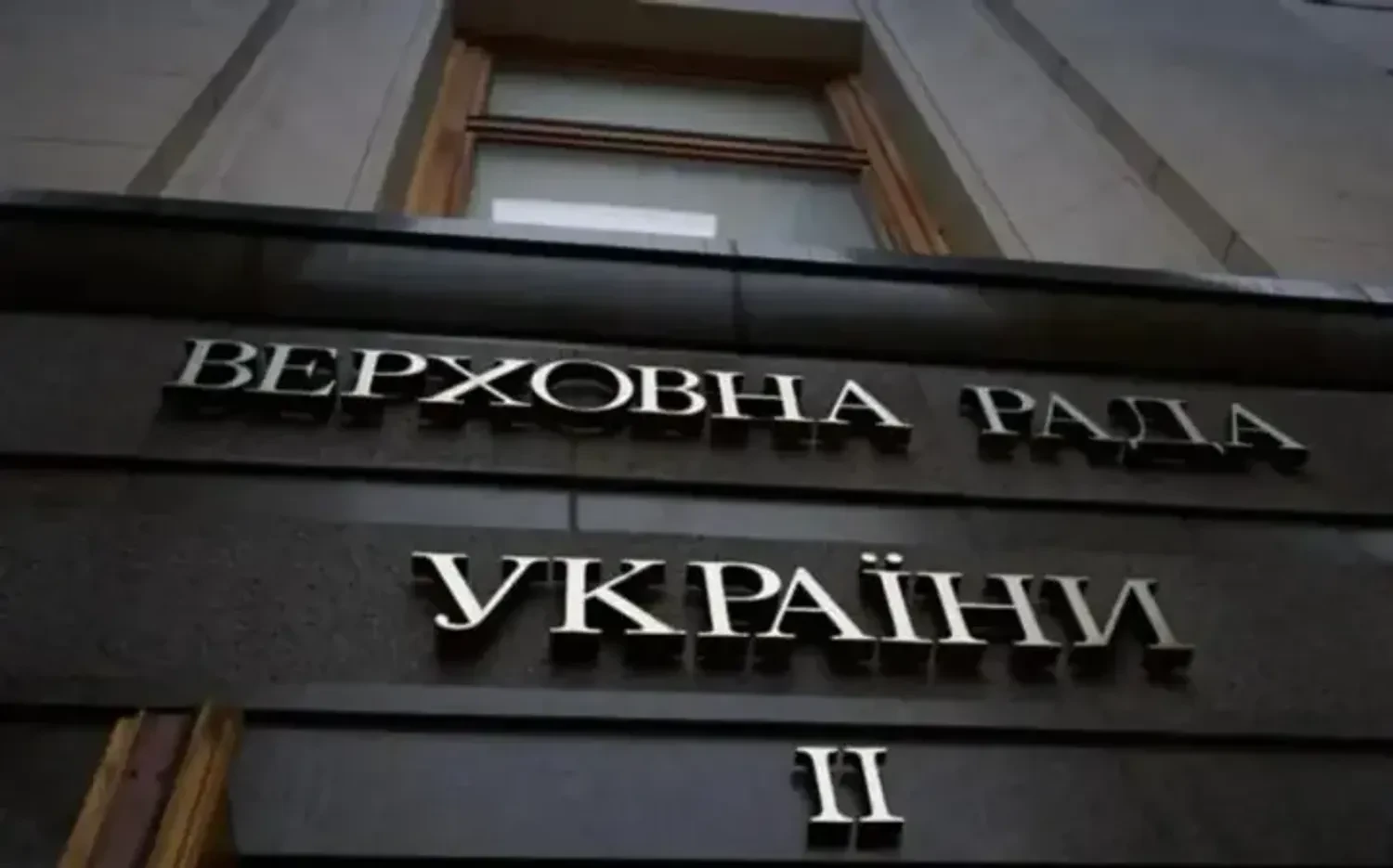
The Verkhovna Rada of Ukraine adopted an appeal to the heads of state, parliaments and governments of democratic countries and to the International Paralympic Committee (IPC) demanding the reinstatement of a full ban on the participation of athletes from the Russian Federation and the Republic of Belarus in all international sporting competitions, including the Paralympic Games. The decision was adopted in full and recorded in the register under No. 14204. The information was distributed by the UNN news agency and published on the Verkhovna Rada website.
Position and specific demands
In the appeal, the parliament calls for a review of the IPC General Assembly decision of 27 September 2025 and for the restoration of the previous sanction regime concerning athletes and delegations of the aggressor states. It separately emphasizes the need to protect the principles of humanism, justice and human rights on which the international Paralympic movement is based.
The Rada also asks to impose restrictions on the entry of sports delegations from aggressor states into democratic countries until the aggression of the Russian Federation fully ceases and Ukraine’s territorial integrity is restored. In a separate line — a call for the organizers of the World Games 2025 to continue sanctions against athletes from the Russian Federation and Belarus.
The Verkhovna Rada adopted in full the draft Resolution on the Appeal of the Verkhovna Rada of Ukraine to the heads of state, parliaments and governments of democratic countries of the world, the International Paralympic Committee regarding the ban on participation of athletes of the Russian Federation and the Republic of Belarus in international sports competitions (registry No. 14204)
— website of the Verkhovna Rada of Ukraine
Why it matters
Firstly, it is a signal to the international sporting movement: sport does not exist in isolation from international security and human rights. Secondly, the reinstatement of the ban creates additional political and reputational pressure on the aggressor state. Thirdly, for Ukrainian athletes and volunteers this is a matter of justice — in wartime the presence of delegations from countries conducting aggression has both political and psychological dimensions.
What next
The initiative now moves to international addressees: the IPC, organizers of global tournaments and partner governments. The Verkhovna Rada’s decision strengthens diplomatic pressure and provides a basis for coordination with allies — from official statements to possible practical restrictions during events. Analysts note that the impact will depend on the willingness of organizing countries and international federations to act in concert.
Whether the IPC agrees to review its decision and whether the international community supports the Ukrainian approach — this will determine how quickly sport responds to the challenges created by the war.



