Russia's spring campaign has failed — instead of a large-scale offensive, it is turning to infiltrations and assaults
Zelensky: Russian forces have no large-scale operation, but they are changing tactics. We analyze why this matters for Ukraine's defense and how it will affect the front line.

By Tetiana Suchkova-Ladik
March 15, 2026 · 2 min read
What the president said
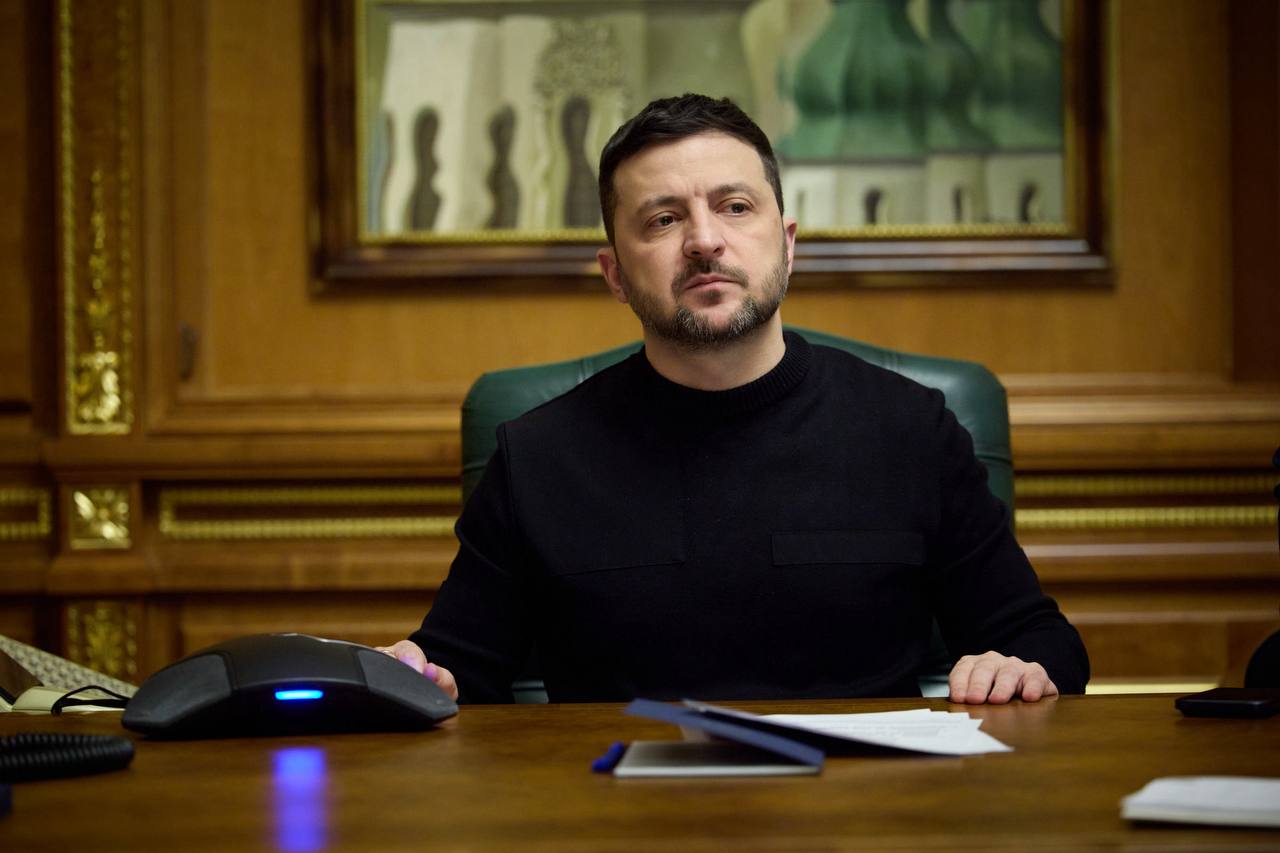
During a meeting with journalists, President Volodymyr Zelensky said that the large-scale spring offensive planned by Russian forces did not take place. According to him, fighting on the front has changed — instead of large-scale breakthroughs the enemy relies on infiltrations and local assaults, which are meant to be supported by constant pressure across different sectors.
"If I quote our military command, the Russians' spring campaign has already failed. Because it was planned to be in full swing at the start of spring... So they don't have any large-scale operation, although on various parts of the front they still try to act using tactics of penetration and constant assaults. Our soldiers destroy them."
— Volodymyr Zelensky, President of Ukraine (LIGA.net correspondent)
What this means on the front
The shift to smaller but more frequent attacks changes priorities: defense now needs not only armored vehicles and artillery, but also intelligence, deployment of mobile reserves, engineering obstacles, and logistics for rapid reinforcement of critical sectors. According to the president, threats remain on the:
- Zaporizhzhia direction,
- Pokrovsk,
- Huliaipole,
- Southern direction,
- and there may also be attempts to return to Kupiansk in the Kharkiv region.
Context and confirmation
This assessment aligns with signals from international media and analysts. For example, in February Bloomberg noted that Russian mobilization will not compensate for losses, and the Kremlin may concentrate on the Donbas or Zaporizhzhia. Earlier statements by the president himself (March 3 and 6) also recorded stagnation of Russian capability and preparations for local strikes.
Consequences and outlook
In the short term this means the front will remain tense at key points, but the risk of a simultaneous breakthrough has decreased. In the long term — the war is becoming more "fragmented": fewer large battles, more series of local clashes, which increases the role of intelligence, air defense, and effective logistics. Socio-economic pressure on the Russian Federation together with losses makes its ability to launch a large-scale offensive less likely in the coming months.
Conclusion
The large-scale spring offensive did not occur — but this is no reason to relax. The main task for Ukraine now is to maintain operational flexibility, expand intelligence and supply systems, and turn international support into concrete, combat-capable deliveries. Whether this will be enough for a sustainable advantage is a question for the command and partners.



