Spring risk: Russia prepares an offensive in the Donbas — what it means for Ukraine and its partners
During a visit to the Donetsk region, President Zelensky warned of a possible Russian spring offensive. We examine why this matters, which factors influence it, and what is now expected from partners.

By Tetiana Suchkova-Ladik
March 6, 2026 · 2 min read
President’s position
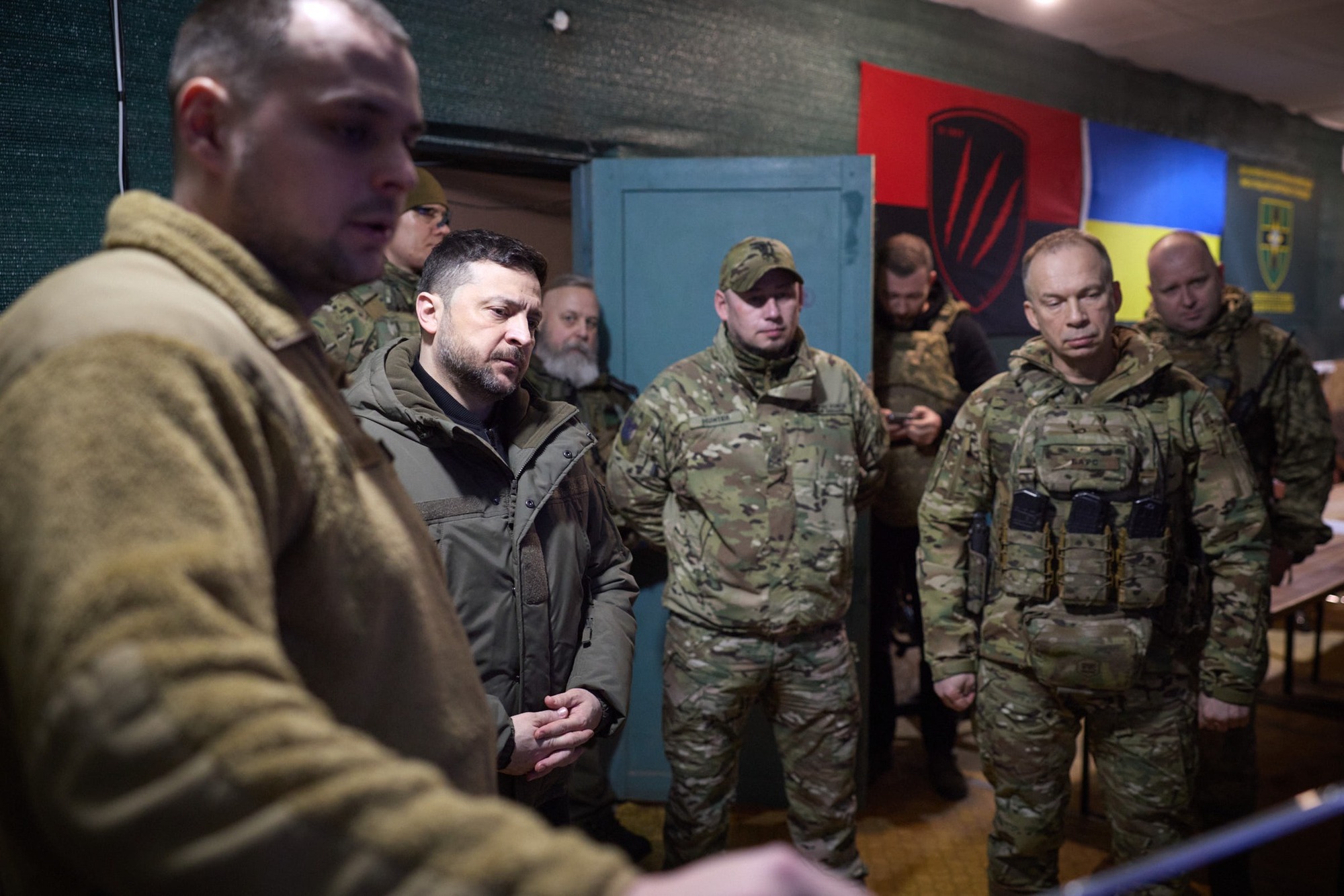
During a visit to the Donetsk region, Volodymyr Zelenskyy said that Russia is preparing an offensive in the spring and urged that defenses be kept fortified and well supplied. The president visited Druzhkivka, the command post of the 3rd battalion of the 28th Separate Mechanized Brigade named after the Knights of the Winter Campaign, and presented awards to military personnel.
"The guys are holding on with dignity. And that is how our country, our diplomacy, our people will continue to stand"
— Volodymyr Zelenskyy, President of Ukraine
What is known
The president’s statement confirms signals from intelligence agencies and analysts: the likely focus of upcoming strikes falls on areas around Druzhkivka, Kramatorsk and Sloviansk. In February, Bloomberg warned that Russia’s mobilization does not cover its losses, and the Kremlin may concentrate efforts in the Donbas or in the Zaporizhzhia region. Separately, on March 3 Zelenskyy noted that the Russian army has stopped growing — losses are offsetting the intake of recruits; in February Commander Syrskyi reported that the Armed Forces of Ukraine have liberated more territory than Russia captured.
Why this could happen
Understanding the reasons is key to preparing. First, limited manpower and high losses push the Kremlin to choose sectors where a quick tactical effect can be achieved against a relatively static front line. Second, supplies of weapons and technologies from Russia’s partner countries (Iran, the DPRK, Belarus) can adjust tactics but do not solve systemic problems of logistics and ammunition supply. Analysts note that such operations often rely on local strikes and an increase in firepower, rather than a massive lightning breakthrough.
Consequences and expectations
For public safety, this means increased activity in border areas and a strengthening of air defenses. For the military, it means a need for stable supplies of ammunition, artillery systems, intelligence and logistics. For partners, it is a signal: declarations of support must be transformed into clear plans for deliveries, training and long-term assistance.
The expert community agrees that the strategic response must combine tactical flexibility on the front with systemic support from allies. That combination offers the best chance to minimize the adversary’s offensive capabilities.
What to do now
A short roadmap for decisions: strengthen logistics and ammunition stocks, expand intelligence capabilities, accelerate the transfer of specific air-defense and artillery systems, and ensure a robust program for repair and recovery of equipment. The political component requires clear timetables and contracts from partners, not just declarations.
Now the ball is in the international partners’ court: words must turn into concrete support that will reduce risks for our troops and civilians. No panic — with a cool head and systematic preparation.



