From 1:10 to 1:2: How Czech Initiative Changed Artillery Balance on the Front
The Czech initiative has already supplied Ukraine with nearly a million shells in 2025 and could reach 1.8 million by year's end — but its future depends on elections in Czechia this autumn.

By Tetiana Suchkova-Ladik
April 16, 2026 · 2 min read
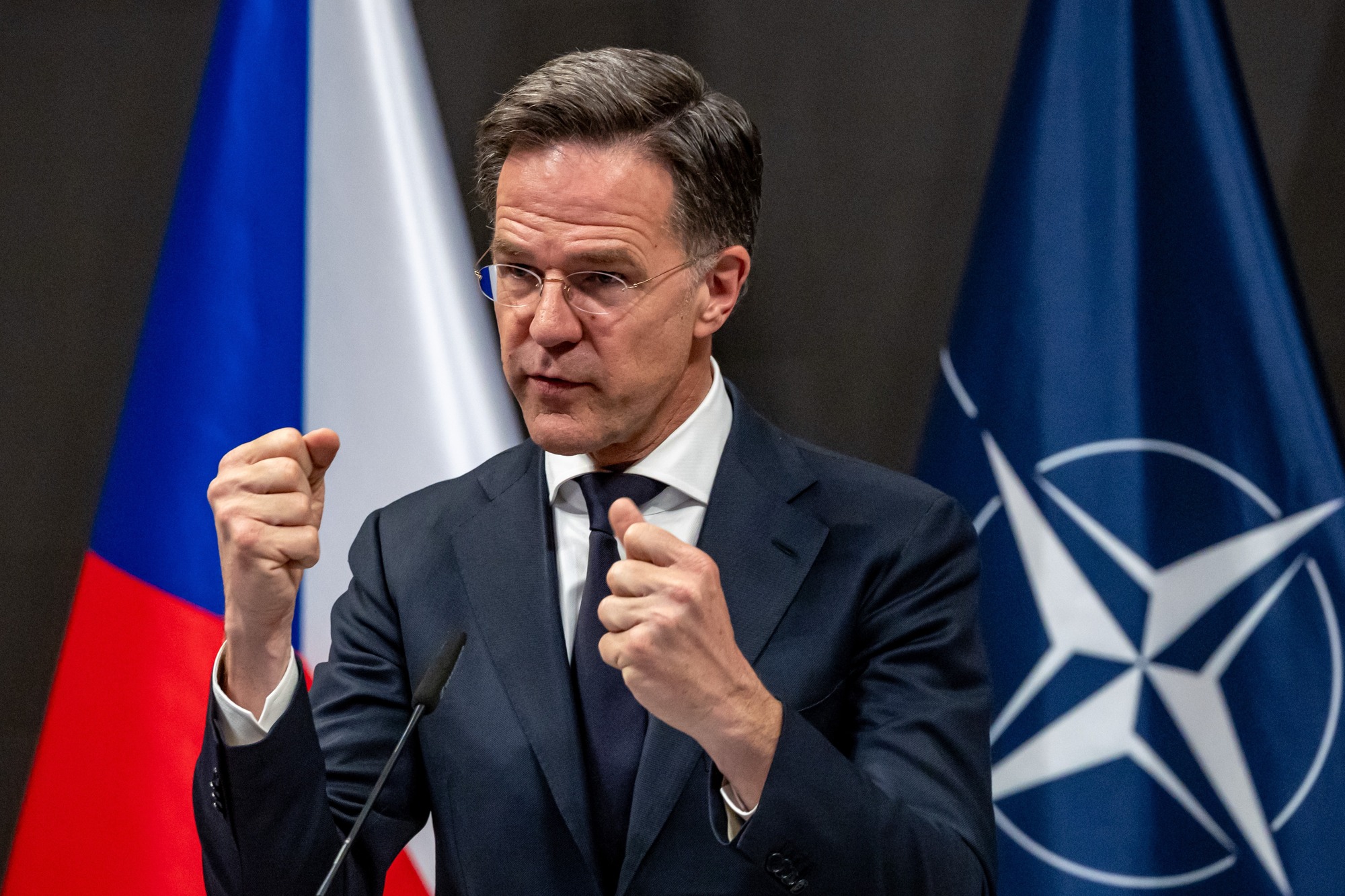
On April 16, NATO Secretary General Mark Rutte arrived in Prague — and met not with the initiative's initiator, but with its potential liquidator. The Prime Minister of Czechia is now Andrej Babiš, who has spent months calling the ammunition purchased under this scheme "old, moldy, and overpriced."
What the initiative actually delivered
The Czech scheme emerged in spring 2024 as an anti-crisis measure: the United States suspended aid, the EU was lagging in deliveries, and Ukraine was spending ammunition faster than it was receiving it. Czech President Petr Pavel proposed purchasing ammunition on the global market — including from countries cooperating with Russia — using allied funds.
The result proved tangible. Over 2024, Ukraine received up to 1.5 million shells of various calibers. As of August 2025, Ukraine had already received about one million shells under the initiative, and this figure could reach 1.8 million by year's end.
"The initiative helped change the ratio of shells exchanged between Ukraine and Russia from 1:10 to 1:2."
— Mark Rutte, NATO Secretary General, press conference in Prague
Ukrainian command confirms the dynamics: at the beginning of 2024 the ratio was 1:8, and by summer had improved to 1:2. This is not victory — but it is a different war.
Babiš on stage, Fiala in the audience
The initiative was launched by the previous government of Petr Fiala. Now Rutte is praising the scheme before Babiš — the very same person who criticized it. Babiš called the purchased shells "old, moldy, and overpriced," providing no evidence, and stated that if ANO forms a government, the initiative would be scrapped.
Rutte, however, publicly urged allies to continue financing: "I call on the countries listening to us now and the other 31 allies to continue funding this initiative so that Ukraine receives the ammunition needed to deter the Russians."
Production catching up with demand — slowly
In parallel with market purchases, Czechia is ramping up its own production. Czech company STV Group plans to increase output to 300,000 shells per year from 2025 — including 155mm artillery shells. The doubling to 200,000 will occur after launching a new line, with full capacity of 300,000 expected in 2026. This matters: market supplies are being depleted, and without domestic production, the "Shell Bridge" scheme will gradually exhaust itself.
- 2024: up to 1.5 million shells delivered through the initiative
- August 2025: ~1 million shells in the current year
- Forecast by end of 2025: up to 1.8 million shells
- Artillery ratio: improved from 1:10 to 1:2
If Babiš does freeze the initiative after forming a coalition, the question is not whether other coordinators will be found — but whether NATO countries' own production will manage to close the gap before market supplies run out.



