Starlink shutdown weakened enemy communications — how it helped counterattacks in the south
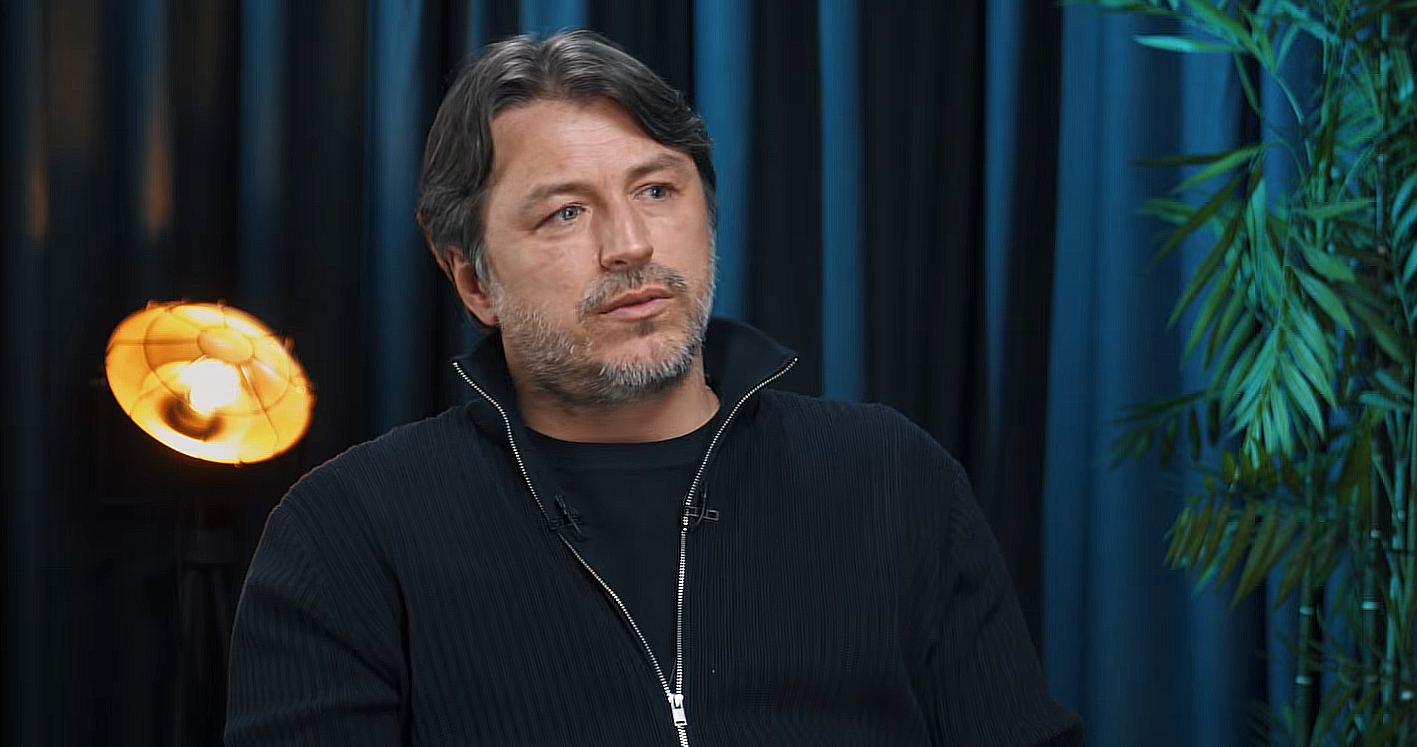
Serhiy Prytula explains why the blocking of SpaceX terminals created a tactical problem for the Russians near the front — and why this could change the course of local operations.

By Tetiana Suchkova-Ladik
February 25, 2026 · 2 min read
What happened and why it matters
In areas closer to the front line, Russian units have indeed experienced noticeable coordination difficulties after the blocking of Starlink satellite terminals. This was told in an interview with LIGA.net by public figure and volunteer Serhiy Prytula. The effect is most pronounced in zones up to 20 km from the front line — precisely where the communications that provided operational linkage between infantry, attack UAVs and artillery proved most vulnerable.
How the adversary is trying to restore communications
According to open-source information, the Russians are partially compensating for the loss of the satellite channel by laying fiber-optic lines and setting up Wi‑Fi bridges. During the installation of such equipment, Ukrainian units employ tactical actions — in particular FPV drone strikes on equipment and communications infrastructure — which additionally complicates the restoration of the network.
"But it is at this level, of course, that their coordination of actions has significantly worsened. In turn, we seem to be able to take advantage of this small disorganization and are achieving certain successes on the Zaporizhzhia direction..."
— Serhiy Prytula, public figure and volunteer
Expert assessment and confirmation
Experts from Defence Express emphasized that for the Russians the Starlink terminals were a tool of inter-service command, which allowed them to synchronize the actions of infantry, UAVs and artillery almost in real time. In addition, statements by the Armed Forces of Ukraine on 16 February 2026 indicate that the blocking of Starlink became one of the factors that facilitated counterattacks in the southern direction. Estonian intelligence also noted that restrictions on access to Telegram and the blocking of some SpaceX services complicated Russian operations.
"Starlink terminals gave the enemy the ability to link small strike groups, drones and artillery into a single operational cycle — but when that channel is broken, coordinating such strikes becomes much harder."
— Ivan Kyrychevskyi, weapons expert, Defence Express
Context: registration of terminals and the rules of the game
At the end of January, Ukraine introduced a Starlink registration system for military and civilian users — unverified terminals are subject to disconnection. This decision, according to the official version, is intended to prevent equipment from being used by the enemy. Together with actions by SpaceX, it changed the technical conditions on the battlefield.
Conclusion — what next?
Disconnecting Starlink is not a standalone "silver bullet," but it is an example of how control over communication channels creates tactical windows. Russia has ways to adapt, but each delay in its coordination gives Ukrainian forces a chance for local successes. Whether this will grow into a sustained operational advantage will depend on the pace of adaptation on both sides and on how effectively Ukraine and its partners manage access to critical communications resources.



