Tuesday, May 26, 2026
Today's Edition

EveryNews

Stories that matter, signal over noise

Politics

Witkoff Advised Ukraine to Ask Trump to Lift Tariffs Rather Than Seek Tomahawk Missiles

Trump's special envoy, Steve Witkoff, in October advised Ukrainian officials to ask for a 10-year suspension of tariffs instead of long-range Tomahawk missiles. This came after Trump's call with Putin, after which the United States refused to provide the missiles to Ukraine.

Tetiana Suchkova-Ladik

By Tetiana Suchkova-Ladik

November 29, 2025 · 1 min read
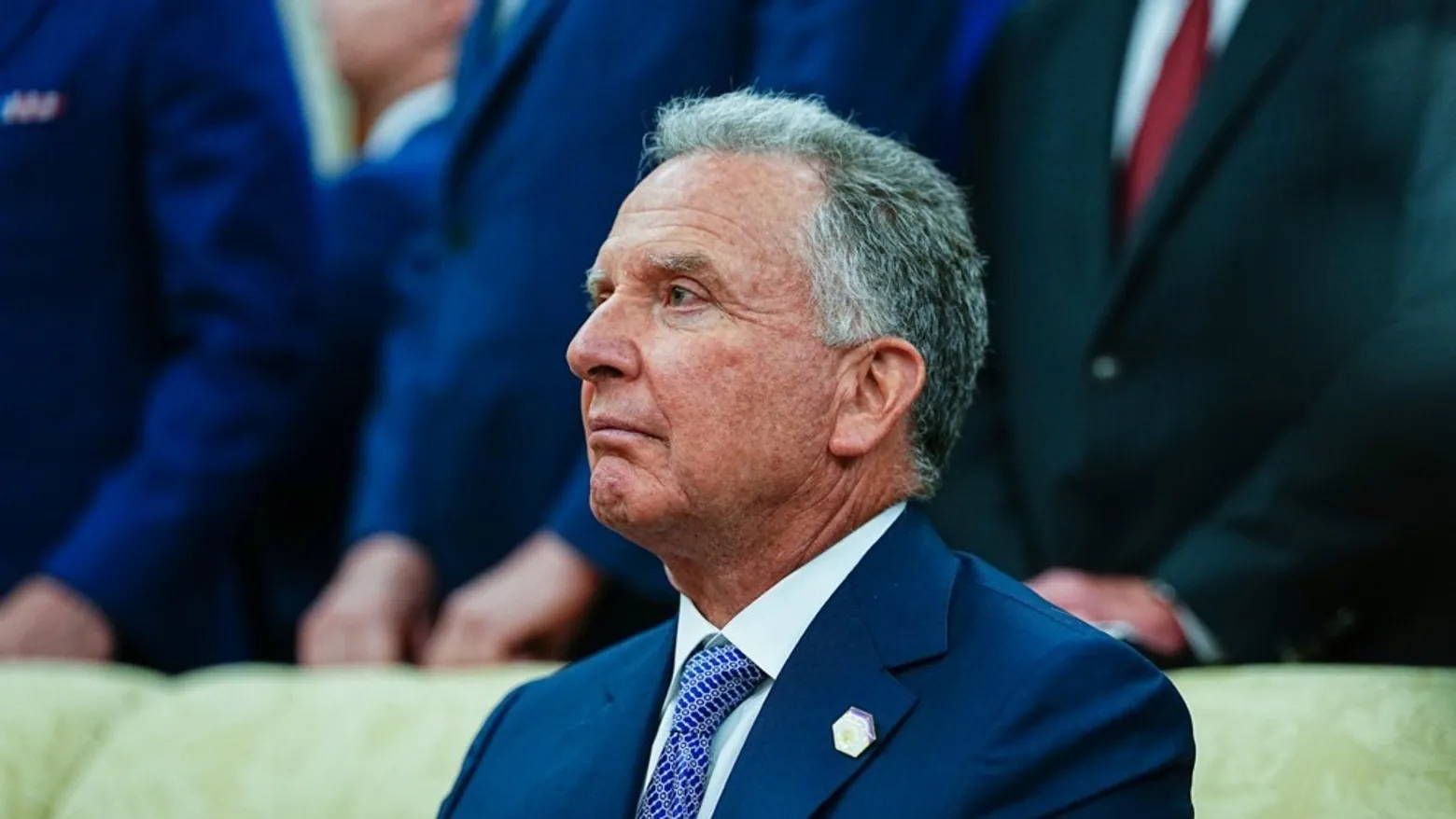
Witkoff Advised Ukraine to Ask Trump to Lift Tariffs Rather Than Seek Tomahawk Missiles

In October 2025, the U.S. president's special envoy, Steve Witkoff, urged Ukrainian officials to ask Donald Trump to cancel tariffs instead of providing long-range Tomahawk cruise missiles. His remarks are cited by The Wall Street Journal.

That month President Volodymyr Zelensky flew to Washington hoping to obtain American Tomahawk cruise missiles — the Ukrainian military wanted to put oil refineries out of action, forcing Moscow to come to negotiations on more favorable terms, the media outlet writes.

Refusal of missiles after a call with Putin

However, the day before Zelensky's arrival, U.S. leader Donald Trump had a call with Russian dictator Vladimir Putin and decided not to offer Tomahawks to Ukraine.

Witkoff urged Ukrainian officials to try a different approach, asking what good "a handful of missiles" would do, WSJ reports.

Alternative proposal

Instead, the special envoy urged Ukraine to ask Trump for a 10-year exemption from tariffs. In Witkoff's view, this would give a significant boost to the Ukrainian economy.

"I make deals. That's why I'm here. We keep knocking on doors and offering ideas."

– he explained to reporters.

Related

Latest

Business

EU Against Google: Why the Latest Fine Could Change More Than Previous Ones

# European Regulators Target Google Again — This Time Over Digital Markets Act Violations. What's Behind the Accusations and Why It Matters Beyond the Corporation European regulators have renewed their scrutiny of Google, this time focusing on alleged violations of the Digital Markets Act. The charges underscore Brussels' increasingly aggressive stance on big tech monopolies and what officials say are anticompetitive practices. The accusations center on how Google leverages its dominance across multiple digital services — from search to advertising to mobile platforms — to disadvantage competitors. Regulators claim the company is using its market power in ways that stifle innovation and limit consumer choice. The case carries significance far beyond Google itself. It signals how the EU is attempting to enforce its landmark Digital Markets Act, legislation designed to curb the gatekeeping power of tech giants. A potential penalty could set precedent for how other large technology companies face similar scrutiny. For consumers and smaller tech firms, the outcome could reshape the digital landscape by creating more room for competition. For Google, fines and operational restrictions could fundamentally alter its business model in Europe, the world's most stringent regulatory market. The case also reflects a broader geopolitical divide, with the EU pursuing a regulatory approach that contrasts sharply with the lighter-touch oversight favored in the United States.

May 26, 2026


