Anthony Joshua's driver faces four charges after crash in Nigeria — two coaches killed
A 46-year-old driver of a British boxer has been charged over a fatal crash near Lagos. We examine which charges have been brought, why this matters for sport and athletes’ travel safety, and what to expect next.

By Tetiana Suchkova-Ladik
January 2, 2026 · 2 min read
Briefly
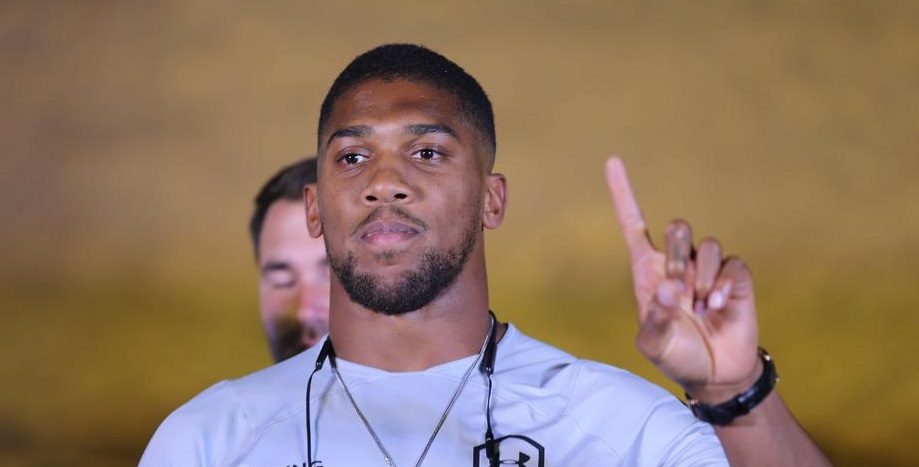
The Nigerian police have accused the driver of British boxer Anthony Joshua of being responsible for a traffic accident near Lagos that killed two people — the athlete’s trainers. The information was published by Sky News, citing local law enforcement.
Charges and hearing schedule
According to authorities, 46‑year‑old Adeniyi Mobolaji Kayode has been charged with four offences: dangerous driving causing death, careless and negligent driving, driving without due care and attention, and driving without a valid national driving licence. The case is set to begin on 20 January.
What exactly happened
The crash occurred on 29 December near Lagos: a black Lexus SUV with Joshua in the back seat collided with a truck. The collision killed Latif Aiyodele and Sina Gami — both were the fighter’s trainers. Anthony Joshua himself sustained minor injuries and was hospitalized.
Sporting context
The incident came a few days after a match in Miami where Joshua knocked out Jake Paul. Professionally, the Brit has faced Ukrainian champion Oleksandr Usyk twice: in September 2021 and in the rematch in August 2022, both fights ending in Usyk’s victory on points. This timeline heightens media attention on the event — given that it involves a public figure whose travels and entourage immediately become the subject of scrutiny.
"Sky News reported this, citing the country's police."
— Sky News (citing Nigeria's police)
Why this matters
This is not only a criminal case against an individual driver. First, it raises questions about the responsibility of teams and the safety of athlete transportation during international trips. Second, the case highlights how quickly reputational risks can affect both the boxer and his team, especially when deaths are involved. Transport safety and sports management experts point to the need for clear procedures and checks when organizing trips — from verifying drivers’ documents to route planning and ensuring emergency support.
What to expect next
In the short term, key will be the evidence the prosecution presents at the 20 January hearing: the technical condition of the vehicles, the results of expert examinations, and eyewitness testimony. For the public and the media it is important to follow the course of the investigation rather than emotions: whether the court will find the driver guilty, and whether additional circumstances will emerge that shift the focus from individual responsibility to systemic safety issues.
While the investigation continues, the question remains simple and painful: how to protect people's lives when major shows, international travel and tight schedules are involved? This question concerns not only sport but every community that wants travel to be safe.



