Explosion near the U.S. embassy in Oslo: incident amid escalation between the U.S. and Iran
In the early hours of March 8, an explosion rocked the area near the U.S. diplomatic mission in Oslo — no injuries were reported. The incident raises questions about the security of diplomatic missions in Europe and could have indirect implications for energy and logistics, particularly for Ukraine.

By Oleg Bazylewicz
March 8, 2026 · 1 min read
What happened
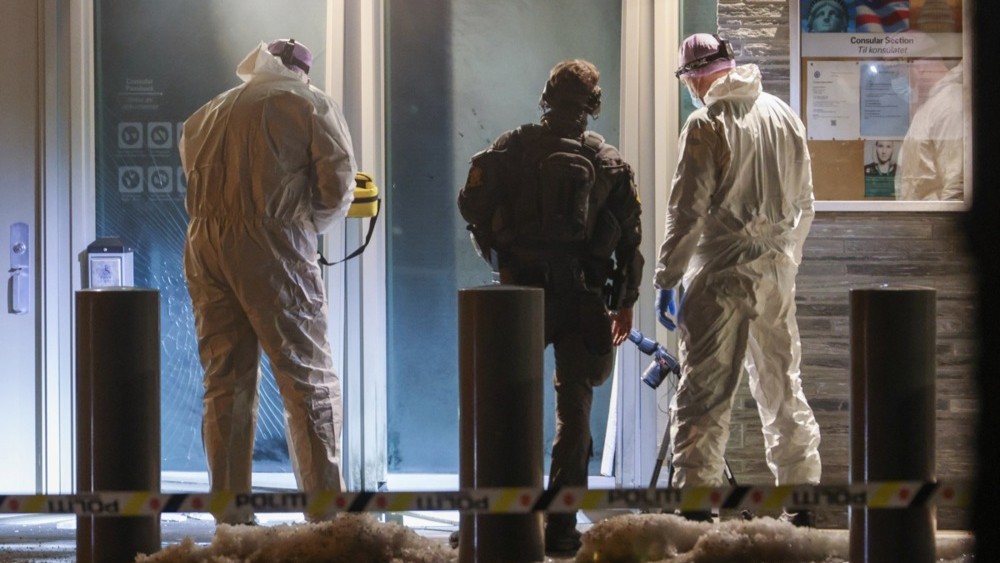
In the early hours of March 8, an explosion occurred near the United States Embassy in Oslo. According to Oslo police and CNN, the blast took place close to the entrance to the consular section of the complex. There were no casualties, damage was minor; law enforcement continues to search for those responsible and has not found any other explosive devices in the area.
"We have established that the explosion struck the American embassy"
— Oslo police spokesperson
Context: the Middle East and diplomatic security
The incident took place against the backdrop of tightened security measures at U.S. diplomatic missions worldwide amid escalation between the U.S., Israel and Iran. International outlets have reported attacks on U.S.-linked targets in the region, notably in the Gulf countries. That does not prove a direct connection between the events in Oslo and the fighting in the Middle East, but it raises alarm and is prompting authorities to review protection protocols for diplomatic missions.
What it means for Ukraine
The logic, indirect but tangible, is simple: escalation in the Middle East raises geopolitical risks, and higher risks increase insurance costs, logistics expenses and energy prices. Analysts, including those at LIGA.net, have already noted that such shocks can affect fuel prices and supply chains that are important for Ukraine as well. Therefore even a local incident in Europe should be viewed through the prism of the economic and security stability of our partners.
Conclusion
So far there is no official confirmation of a direct link between the Oslo explosion and events in the Middle East. What matters now is a swift investigation, transparent communication from authorities and coordination with allies to minimize risks to the diplomatic network and economic channels. Whether this will develop into a systemic threat to European security depends on the results of the investigation and partners' responses.



