Explosion in Kran‑Montana: Dozens killed at a New Year's party — what we know and why it matters
In the early hours of January 1, an explosion rocked the overcrowded Le Constellation bar at the Swiss resort Crans-Montana: dozens dead, around 100 injured. We examine the confirmed facts, the rescuers' response, and what lessons authorities and travelers should draw.

By Tetiana Suchkova-Ladik
January 1, 2026 · 2 min read
Brief — facts confirmed by sources
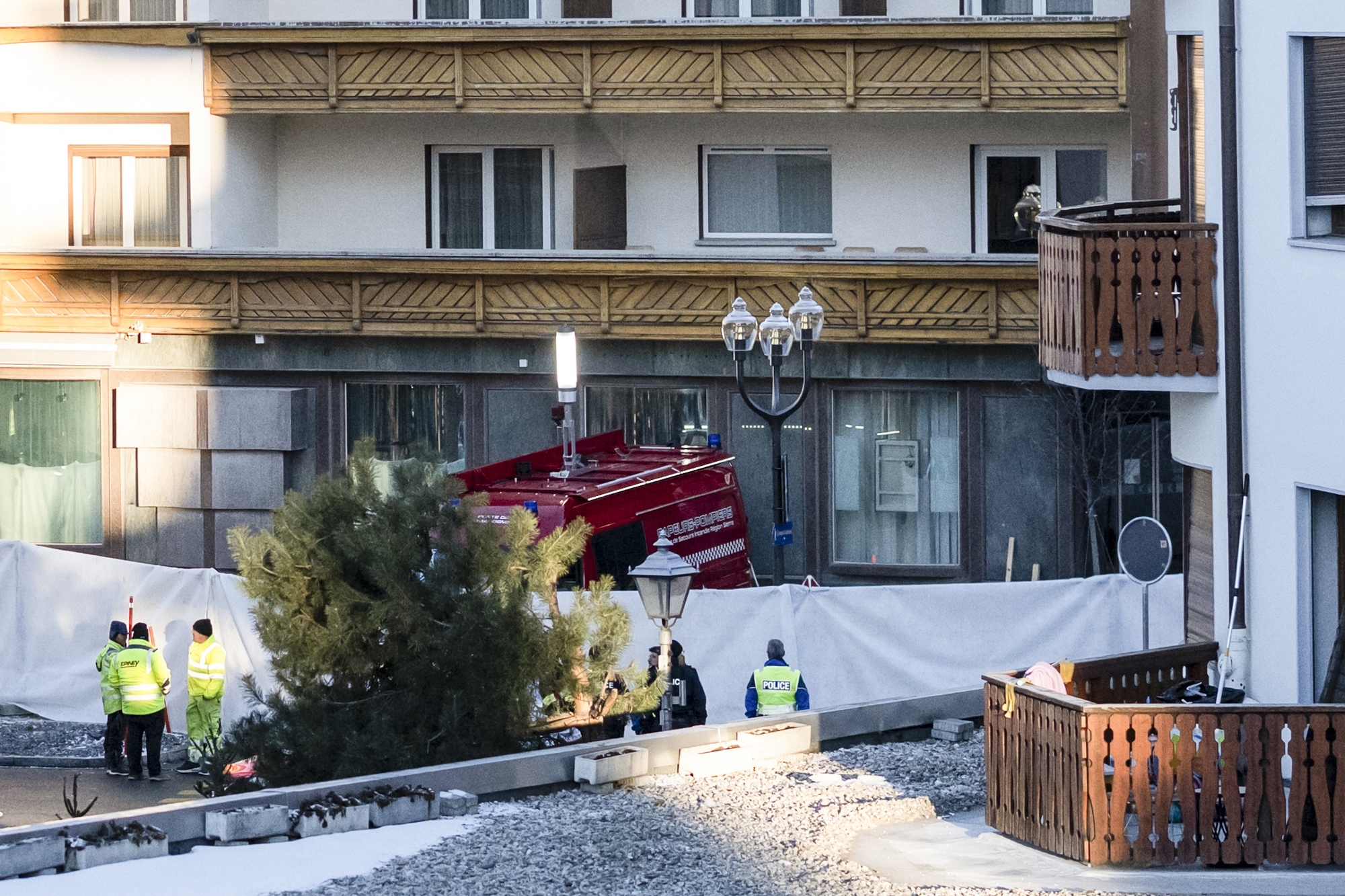
According to Reuters citing police, an explosion occurred in the early hours of 1 January at the Le Constellation bar at the Crans‑Montana ski resort. Authorities report "dozens" dead and around 100 wounded; the Italian Foreign Ministry cites Swiss police figures specifying about 40 fatalities.
The incident happened at about 01:30 local time (00:30 GMT). At least 10 helicopters and 40 ambulances were mobilized for evacuation and rescue. The area has been cordoned off and a no-fly zone imposed over the resort.
Rescue operation and condition of the injured
Authorities report a large number of burn injuries among the wounded; most are in serious condition. Mathias Reynard, head of the government of the canton of Valais, said the intensive care unit of the local hospital was overwhelmed and patients were transferred to other facilities.
"Some of the injured are citizens of other countries."
— Stefan Ganzer, head of security services of the canton of Valais
Cause of the explosion — what is known and what is missing
The prosecutor's office of the canton of Valais said it currently believes the explosion was the result of a fire, not a deliberate attack, but the investigation is ongoing and final conclusions have not yet been published. Police are refraining from detailed statements, citing the course of the investigation.
"The explosion occurred as a result of a fire, not due to an attack."
— Prosecutor's Office of the canton of Valais
Context and consequences — why this matters to the reader
First, this is a major emergency in a tourist area: such incidents test emergency medical response systems and the coordination of consular services. Second, large fires at resorts have already had serious consequences in other countries — this is a prompt for regulators and the hospitality sector to review fire-safety standards and evacuation procedures.
For Ukrainian travelers and those planning trips: follow official announcements, register with consular support systems and follow the instructions of local authorities in case of an emergency.
What next
The investigation must establish the chain of causes — from technical malfunction to failures in fire safety. Until details are conclusively confirmed, it is important not to jump to conclusions and to rely on information from official sources (Reuters, local police, the prosecutor's office of the canton of Valais, the foreign ministries of countries whose citizens were affected).
This case is a reminder that even in developed tourist areas the risks of mass incidents remain real, and the speed and quality of rescue services' response often determine the fate of the injured.
Summary
So far: dozens dead, about 100 injured, the cause is said to be a fire, and the investigation is ongoing. The coming days will provide more answers — and those answers will determine what safety measures will be strengthened in resort areas across Europe.
"Most of the wounded are in serious condition; the intensive care unit was overwhelmed."
— Mathias Reynard, head of the government of the canton of Valais



