Explosions over Caracas: strikes near Fuerte Tiuna and questions about U.S. role
Nighttime explosions, helicopters over the capital, and a power outage in an area near a large military base — media outlets report strikes in Caracas. We explain what is known so far, the context, and why this could escalate tensions in the region.

By Tetiana Suchkova-Ladik
January 3, 2026 · 2 min read
What happened
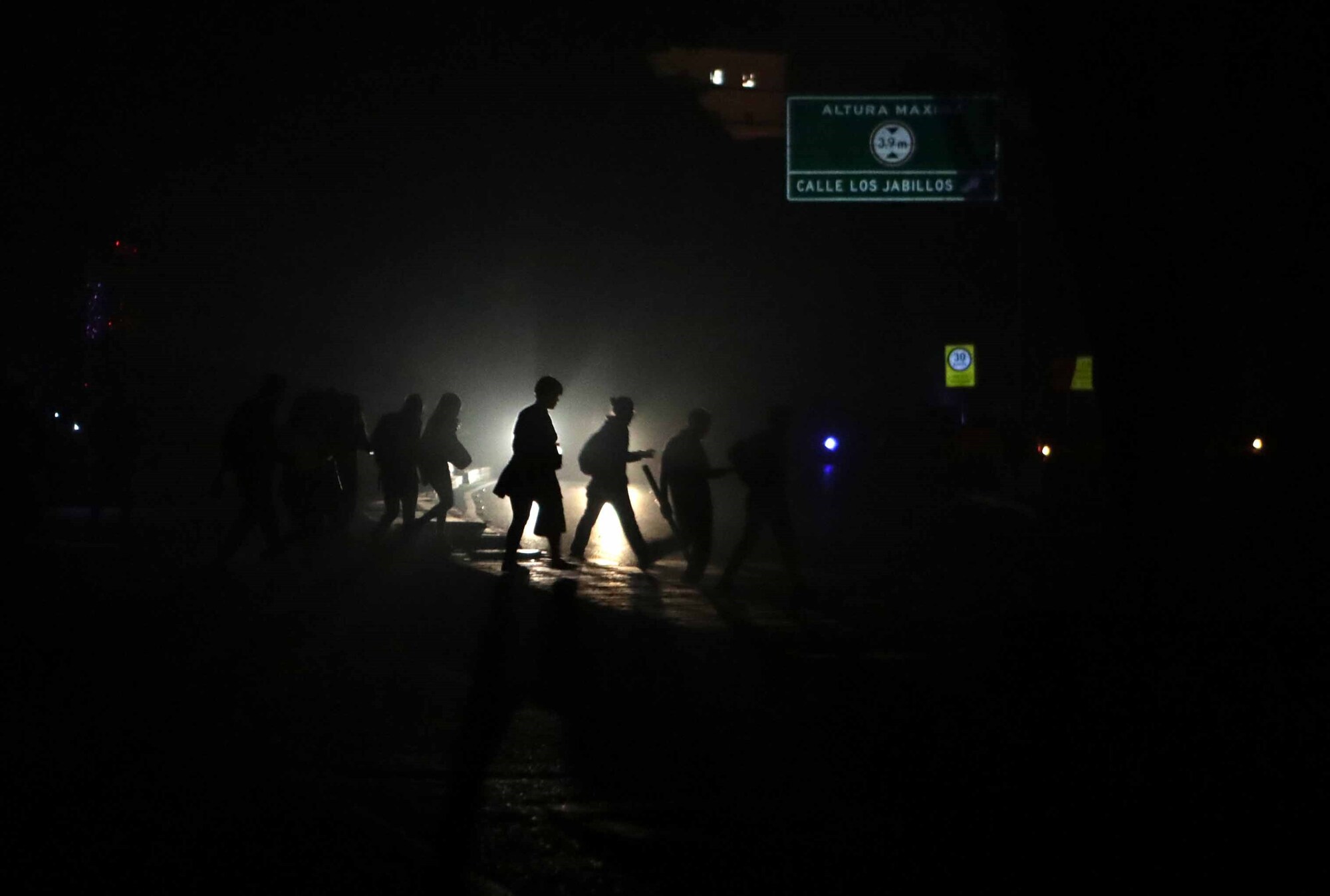
On the night of January 3 a series of explosions and low-flying aircraft were reported in Caracas, according to the Associated Press and eyewitnesses cited by Reuters. Around 2:00 a.m. local time at least seven explosions were heard; videos on social media show fires and people coming out into the streets.
Reuters also reports a power outage in the southern district of the capital near the large military base — Fuerte Tiuna. There were no official comments from the government of Venezuela or from the White House as of morning updates.
What sources and social media say
NOW: Multiple likely American helicopters airborne over Caracas, Venezuela pic.twitter.com/TRMXSoWi3k
— @clashreport (Twitter)
"Gunfire, explosions and helicopters are heard all over Caracas, with people reporting they’ve seen strikes over the Fuerte Tiuna military complex and La Carlota air base. Several people are reporting power cuts in different areas of the capital."
— AFP editor (paraphrased in the news feed)
As The New York Times reports, a Pentagon spokesperson redirected questions about the explosions to the White House; in response the White House declined to comment on the reports. These statements do not yet constitute direct confirmation of a planned operation or the involvement of any particular country — they are collections of reports and testimonies that require further verification.
Context: why this matters
In recent months Washington has stepped up pressure on the Nicolás Maduro regime: the U.S. administration announced a series of sanctions, in November 2025 officially designated Maduro and his allies as members of a "foreign terrorist organization," and has reported strikes on vessels suspected of transporting drugs. Past and current statements by U.S. leaders about possible ground or other operations create a backdrop for interpreting the nighttime events as part of a broader campaign.
From an international security perspective, strikes in the capital and near key military facilities are a potential catalyst for diplomatic escalation in the region, intensified rhetoric from neighboring countries, and new sanctions. For civilians the main threats are escalation and disruption of basic services (power, transport), as well as the risk of mistaken strikes in densely populated areas.
What’s next
For now it is important to distinguish confirmed facts from assumptions on social media. We expect official statements from governments, additional confirmations from international media, and analysis of satellite/aviation data. If confirmations point to external intervention, this will change approaches to information control, the international community’s response, and security calculations in the Caribbean region.
The question to ask today is whether these events will lead to short-term pressure on the regime or mark the beginning of a wider escalation — and how neighboring countries and international institutions will respond.
Sources: Associated Press, Reuters, The New York Times, AFP, materials and videos on social media.



