How the State Emergency Service’s new units — rope-access teams, divers and energy specialists — protect Ukraine’s critical infrastructure
In 1.5 years the civil protection system of the Ministry of Internal Affairs and the State Emergency Service has been rebuilt: 1,550 rope-access specialists, French instructors for divers, energy brigades and hubs — what this means for cities, hospitals and keeping homes warm during shelling.

By Tetiana Suchkova-Ladik
March 11, 2026 · 2 min read
Quiet specialists who work where TV cameras can't see
Over the past year and a half, several new specialized units have appeared in the civil protection system under the leadership of the Interior Ministry and the State Emergency Service — and these are not declarations but practical capabilities already operating in crisis. Rescuers now have rope-access specialists who deal with consequences of strikes at heights up to 60 meters, special divers trained by French instructors, and power crews that keep energy facilities operational.
What exactly was created and where it operates
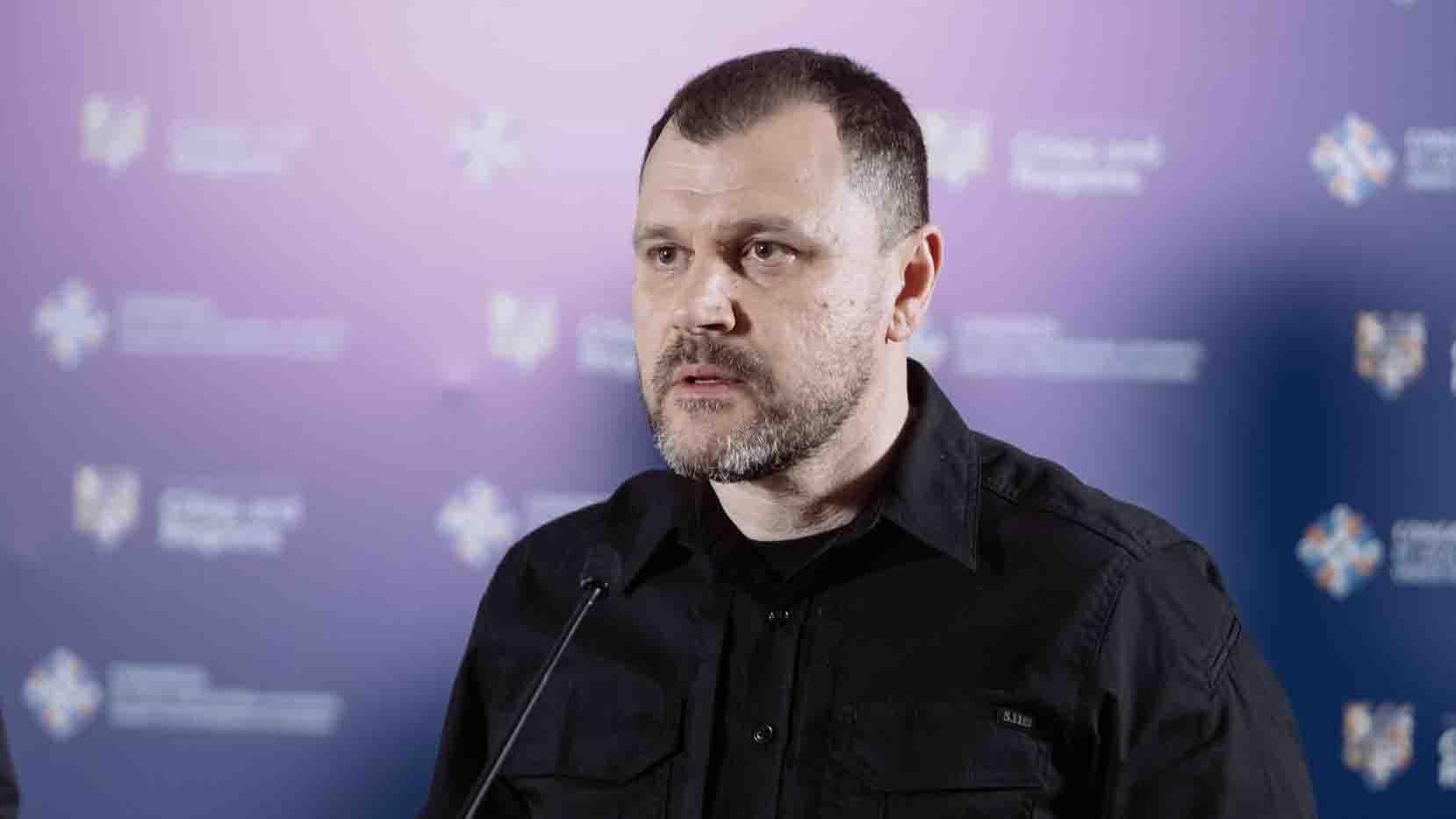
Interior Minister Ihor Klymenko reported that we now have about 1,550 rope-access specialists — specialists who previously did not exist in the system. Engineering units have been formed, a special brigade "Delta" that can be deployed to "any dangerous point," as well as energy units equipped with special machinery and robots. The Interior Ministry (MIA) has deployed equipment hubs in Odesa, Kyiv and Poltava oblasts and in the western region for rapid response.
"We have 1,550 rope-access specialists. We didn't have them. These are the specialists who worked all winter — last winter, especially this winter — at heights from 20 to 60 meters. Unfortunately, we lost two of them..."
— Ihor Klymenko, Interior Minister
Why this is critical for safety and people's lives
These units are a response to a systemic problem: civil protection was virtually destroyed, and recovery is ongoing. The practical effect is already visible: in January 2026 divers repaired a breach in a pipeline at a Kyiv CHP plant; power crews heated water mains and kept turbines running to prevent networks from freezing and avoid loss of heat supply.
"Some CHPs held on, in particular thanks to these divers, who were operating in areas of enormous risk to life... There are no other such specialists left in Ukraine"
— Ihor Klymenko, Interior Minister
Strength in numbers and real results
Rescuers have generators with a combined capacity of 225 MW, which made it possible to support 18 transformer substations that heated more than 100 buildings in Kyiv, three hospitals and other important facilities. This is a concrete contribution to the safety and operation of critical infrastructure during attacks.
Risks and human losses
Alongside the technical strengthening, a threat remains: rescuers have repeatedly been targeted by shelling. Over three months the enemy struck Ukrainian rescuers more than 60 times; new strikes occurred in November 2025. As of last September, 107 rescuers and State Emergency Service employees had been killed in Ukraine — a reminder of the price paid by those who work in the most dangerous moments.
What's next and what to pay attention to
Restoring civil protection is not an emotional picture but a set of equipment, training and logistics that provides tangible protection for cities and hospitals. It is now important that these units receive stable funding, modern equipment and international support to scale up their impact. Analysts emphasize: investment in such systems is the least visible but most effective way to protect lives in conditions of hybrid war.
Question for the reader: is the country ready to turn temporary successes into a permanent protection system — and what should be done first to achieve that?



