How Ukrainian drone operators rewrote the script of NATO's Hedgehog‑2025 exercises — video and conclusions
The Nemesis and Rarog brigades released footage from May exercises in Estonia. It’s not just an impressive video — it’s a practical lesson for NATO and an argument for bolstering Ukraine’s defensive role.

By Tetiana Suchkova-Ladik
February 15, 2026 · 2 min read
Briefly
Ukrainian unmanned systems units published video from the May Hedgehog‑2025 exercises in Estonia, where a simulated strike on a NATO formation was practiced. The material is accompanied by statements from 412 Nemesis and 427 Rarog about successful use of bombers and FPV drones. At the same time, The Wall Street Journal wrote about tactical vulnerabilities of the Alliance revealed during the same exercises. This is not just a report — it is a signal of a change in approaches to modern combat.
What happened
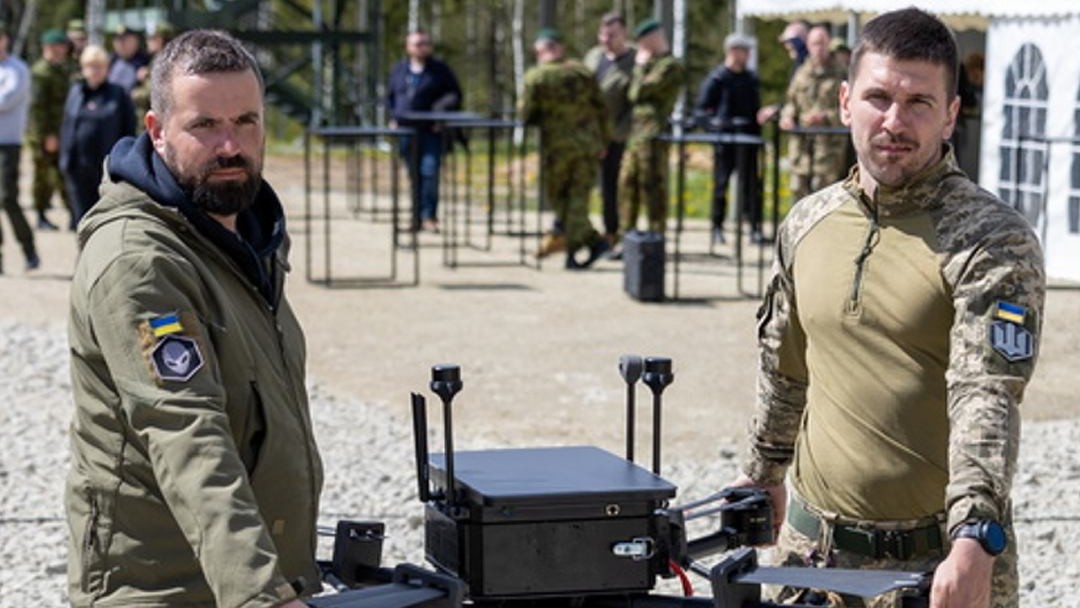
Conditions: the Hedgehog‑2025 exercises were held in May in Estonia with the participation of more than 16,000 troops from 12 countries. Ukrainian drone specialists were involved in the drills — crews from Nemesis and Rarog, FPV operators from the International Legion of the Main Intelligence Directorate (HUR), and representatives of the DELTA digital system. The published video shows the simulated destruction of equipment and a command post of a “NATO formation.”
What participants and experts say
"Technology has radically changed and continues to change the battlefield. Ukrainian units willingly share combat-tested drone experience with Western partners..."
— post by 412 Nemesis and 427 Rarog, brigades of the Unmanned Systems Forces of the Ukrainian Armed Forces
"The results were devastating for the allies — according to one of the coordinators, Ukrainian actions during the exercises led to two battalions being effectively unable to continue carrying out their tasks"
— Aivar Ganniotti, coordinator of unmanned aerial systems of the Estonian Defence League (quote via WSJ)
The WSJ also cites several officers who noted that the lessons revealed serious tactical vulnerabilities in countering mass drone attacks.
Why this matters for Ukraine and NATO
First conclusion — drones continue to lower the threshold of asymmetric effectiveness: a relatively small group of operators can create a local advantage that changes the operational picture. For Ukraine, this confirms the effectiveness of practices developed in the battles in Donbas and in the south.
Second — for NATO this is a wake-up call to adapt: it needs to rapidly update tactics, training and counter‑drone measures. Preventing losses in high‑intensity combat now depends not only on equipment, but also on the timely integration of exercise lessons into training programs.
What this gives Ukraine
Demonstrating effectiveness provides a practical "waterline" — an argument in negotiations over joint training, transfer of EW (electronic warfare) systems and funding for training. It also reinforces President Zelensky's point at the Munich conference about the high combat capability of the Ukrainian Armed Forces: such cases add weight to demands for closer cooperation with the Alliance.
Conclusion and outlook
The Nemesis and Rarog videos are not just PR material but a practical case that pushes for three actions: faster adaptation of tactics within NATO, increased investment in counter‑drone systems, and deeper training integration with Ukrainian specialists. Now the ball is in the partners' court: will they turn battlefield lessons into systemic changes in training and procurement?



