EU Wants to Pay Only Those Who Don't Help Russia and Iran — And This Changes Aid Logic
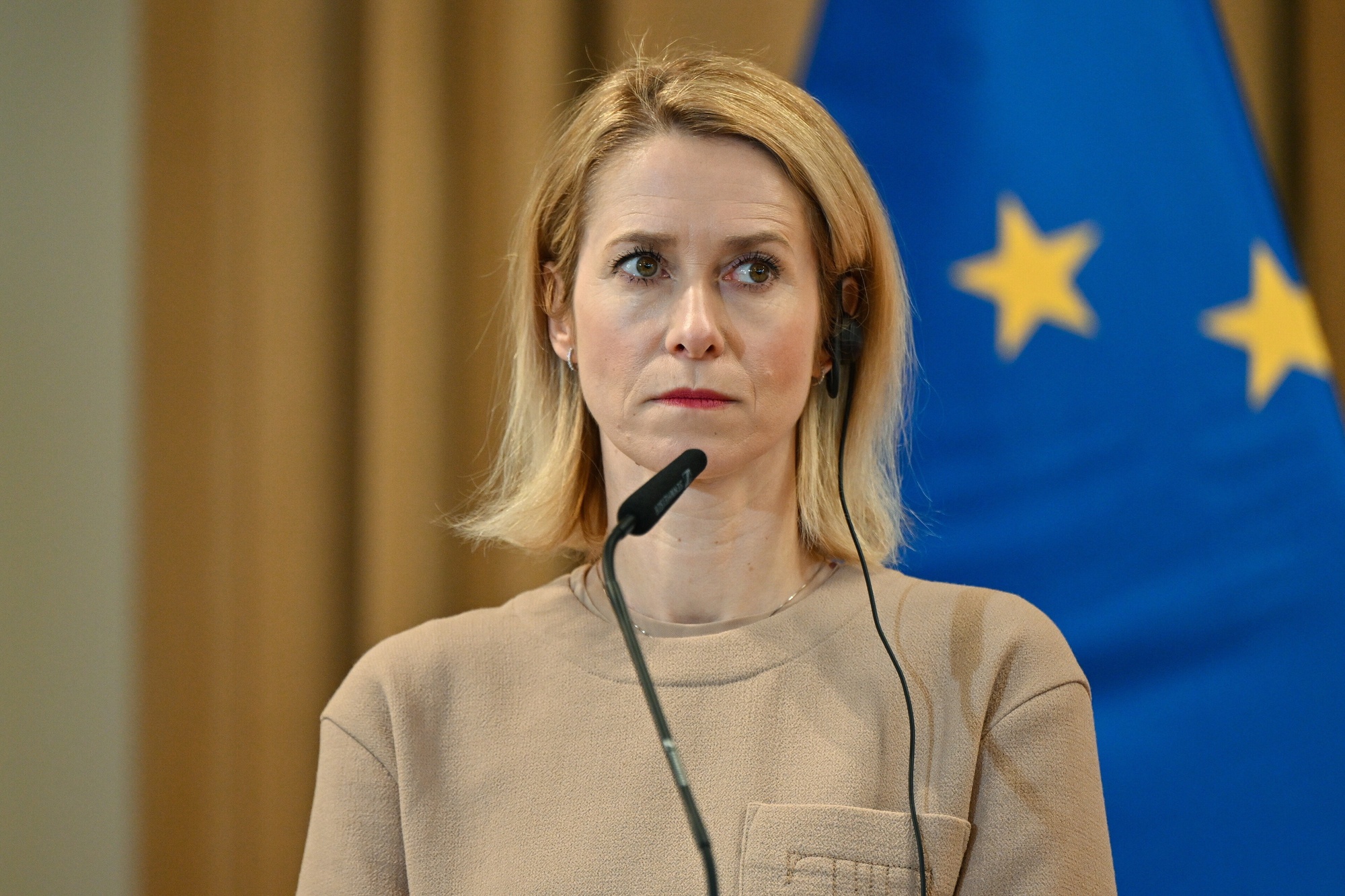
EU Commissioner Josep Borrell and Kaja Kallas have openly stated that external aid from the EU is becoming a geopolitical tool. Countries supporting Moscow or Tehran risk losing subsidies.

By Tetiana Suchkova-Ladik
May 18, 2026 · 3 min read
Monday, May 18. European Commissioner for Development Josep Sika addresses an audience and says something typically unexpected from a European official: "In a world where investments, infrastructure and supply chains have become instruments of power, foreign policy cannot be sentimental." This is not rhetoric — it is an announcement of a change in the rules.
From Charity to Conditions
The EU channels billions of euros annually to developing countries through the NDICI – Global Europe instrument with a total budget of 79.5 billion euros until 2027. Previously, these funds were provided largely without strict geopolitical conditions. Now the European Commission is ready to change this model: financing may become directly dependent on whether the recipient country supports Russia or Iran.
EU High Representative for Foreign Affairs Kaja Kallas supported this position. Together with Sika, they effectively legitimized the term "geopolitical conditionality" in the discourse of EU foreign aid — previously it was used mainly by academics and critics.
"In a world where investments, infrastructure and supply chains have become instruments of power, foreign policy cannot be sentimental."
Josep Sika, European Commissioner for Development, May 18, 2025
What This Means in Practice
The specific selection mechanism has not yet been disclosed. But the logic is clear: countries of the Global South that vote with Russia in the UN, import Iranian drones, or support sanctions circumvention could end up at the back of the line for EU grants and loans.
This is not a precedent — but the scale is new. Previously, conditionality in EU aid concerned mainly democratic reforms and anti-corruption measures. A study in the journal JCMS: Journal of Common Market Studies (2025) found that even this "democratic conditionality" was applied inconsistently: countries with higher migration pressure on the EU received more funds regardless of democracy levels. The geopolitical criterion is even more difficult to verify.
A Skeptic's Voice
Analysts at the Center for Global Development (CGD) warn: tying aid to the donor's own priorities is classic "tied aid," and it does not work. According to the OECD, already around 20% of aid from major donors in 2023 was conditional — and this share is growing. CGD directly compares the EU's new strategy to Trump's "America First" approach: the donor gets a geopolitical signal, but the recipient country's development is hindered.
A separate risk is trust. If Brussels uses development money as a lever of pressure, China's "Belt and Road" initiative will gain an additional argument for countries in Africa and Asia: we do not set conditions. The EU's Global Gateway is already criticized for putting only 16% of projects into healthcare, education and science — the rest serve the EU's infrastructure and geopolitical interests.
Why This Matters for Ukraine
For Kyiv, this logic is allied. Iran supplies Russia with kamikaze drones that attack Ukrainian cities. If third countries that buy Iranian weapons or provide Russia with financial corridors begin to pay a diplomatic price in the form of reduced EU financing — this is additional pressure on the chain supporting the war.
But the mechanism is more important than intentions. The EU has not yet determined:
- which specific actions by countries qualify as "support for Russia or Iran";
- who decides on financing suspension and what procedure is followed;
- whether an appeal mechanism is provided for recipient countries.
Without clear criteria, "geopolitical conditionality" risks becoming an instrument of arbitrary pressure — which will be exploited by those who want to discredit the EU as a partner.
If the European Commission does not publish a verified list of criteria and an independent control mechanism by the end of 2025 — the new doctrine will remain a loud statement rather than a real lever of influence on Moscow's allies.



