EU imposed sanctions on Chaika and eight other Bucha suspects — a step toward holding commanders accountable
On the fourth anniversary of the mass killings in Bucha, the EU Council imposed sanctions on nine individuals, including former commander of the Eastern Military District Oleksandr Chaika. We explain why this is important for holding people accountable and what practical consequences such decisions have.

By Tetiana Suchkova-Ladik
March 16, 2026 · 2 min read
What the EU Council adopted
On 16 March the Council of the European Union imposed sanctions on nine individuals believed to be involved in war crimes during the Russian occupation of Bucha in February–March 2022. The decision coincides with the fourth anniversary of the events in the city and aims to strengthen mechanisms of individual accountability.
Who the restrictions affect
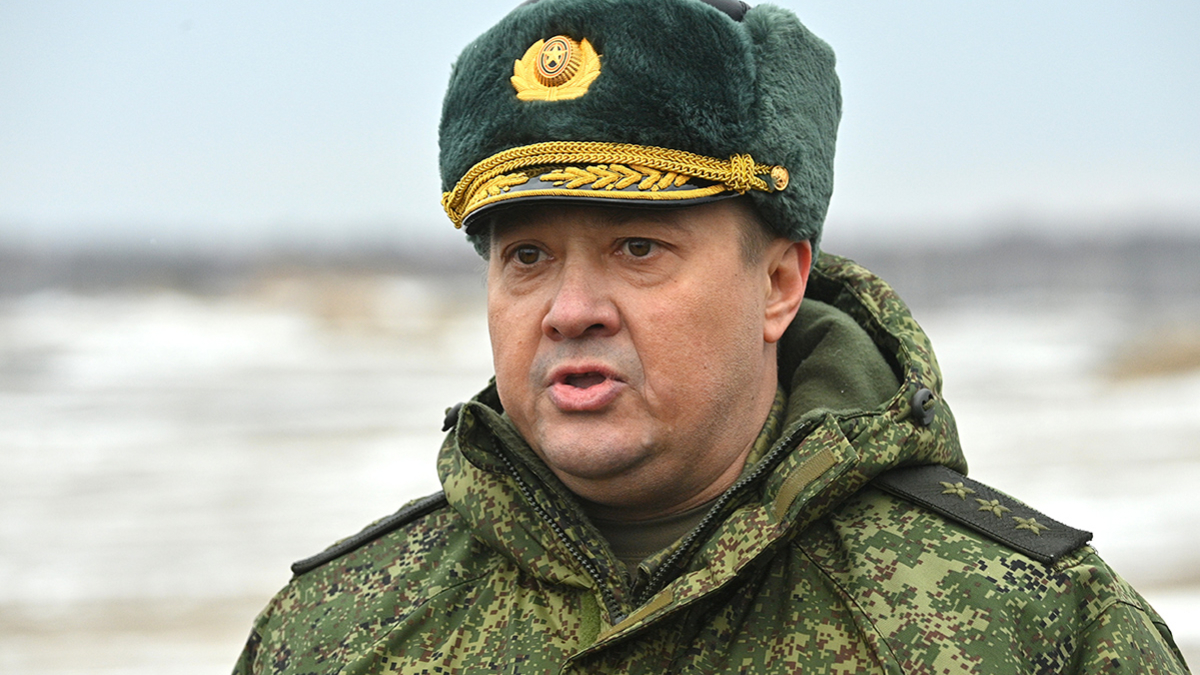
Among those listed is Colonel-General Oleksandr Chaika, the former commander of the Eastern Military District, who was present on Ukrainian territory at the start of the full-scale invasion. The list also includes other senior officers who commanded units seen in Bucha, Irpin, Hostomel and Borodianka.
What the sanctions do
The individuals are subject to the standard package of measures: asset freezes, a ban on EU citizens and companies making funds available, and a travel ban to the EU. This means both direct financial consequences and restrictions on movement and the ability to conduct international activities.
"Their actions constitute crimes against humanity and war crimes."
— Council of the European Union, statement
Context: why the decision was taken now
The timing of the decision is deliberate — it is tied to the anniversary of the tragic events in Bucha and serves as a signal that the EU continues to build mechanisms of individual accountability for war crimes. It is part of a broader policy: currently about 2,600 individuals and entities are subject to restrictions in connection with Russia's aggression.
Practical significance for Ukraine
Sanctions are not a judicial verdict, but they are an important tool of pressure and a de facto aid to the Ukrainian investigation: they make life harder for suspects, complicate hiding assets and create a legal and political backdrop for further criminal prosecutions. Ukrainian law enforcement and intelligence continue to gather evidence: on 1 November 2025 the Main Intelligence Directorate (GUR) reported suspicions against five occupiers involved in executions in Bucha, and in August in the Luhansk region individuals involved in crimes in the city were eliminated.
Scope of influence and next steps
EU restrictions carry both symbolic and practical weight, but their effectiveness depends on coordination with other jurisdictions and on real investigations and trials. Recovering stolen assets, extradition and holding suspects criminally liable are the next stages, requiring persistent work by international agencies and Ukrainian investigators.
The EU decision is another step in a chain of measures intended to turn testimony and indictments into legal accountability. Whether this pressure will be enough to secure justice for the victims of Bucha and prevent similar crimes in the future is a question for partners and judicial bodies.



