The EU warned Trump: amnesty for Putin for war crimes in Ukraine is unacceptable
European Commissioner Michael McGrath said that any peace agreements regarding Ukraine cannot include absolving Russia of responsibility for war crimes.

By Tetiana Suchkova-Ladik
December 1, 2025 · 2 min read
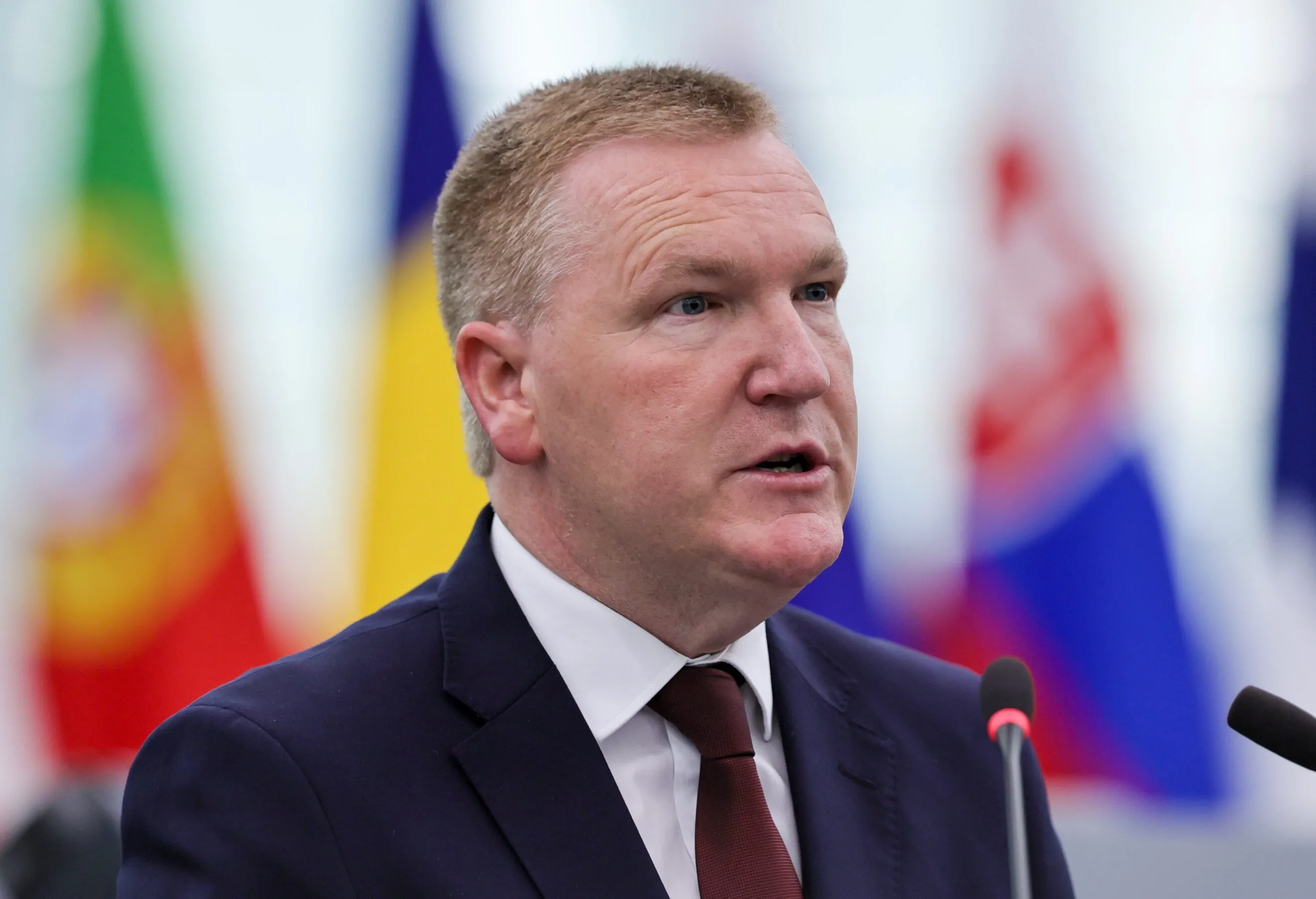
The European Union Opposes an "Amnesty" for the Kremlin
The European Union warned the administration of Donald Trump against any steps that could lead to Vladimir Putin avoiding responsibility for war crimes in Ukraine. This was stated by the European Commissioner for Justice and Democracy, Michael McGrath.
According to him, it is unacceptable in the negotiating process for the desire for a ceasefire to result in the "forgiveness" of crimes committed by Russian forces.
"I do not think history will look kindly on any attempt to write off Russia's crimes in Ukraine. They must be held to account, and that will be the position of the European Union in all discussions,"
– McGrath said.
The EU Is Concerned About Provisions of the Initial U.S. Plan
Europeans are worried by reports that the initial version of the U.S. peace plan allegedly provided for a "full amnesty" for actions taken during the war, as well as the reintegration of Russia back into the global economy.
Trump's team continues to push the idea of normalizing relations with the Kremlin, despite international accusations of the abduction of 20,000 Ukrainian children and attacks on civilians in Bucha, Mariupol and other cities.
"Allowing impunity would sow the seeds of a new round of aggression and a future invasion. It would be a historic mistake of enormous scale,"
– the commissioner added.
International Investigations: the Scale of Russia's Crimes
Ukrainian law enforcement agencies have opened proceedings into more than 178,000 suspected crimes by Russia since the start of the full-scale war. In addition, a UN commission last month established facts of crimes against humanity, including drone attacks on civilians and forced displacement of the population.
In March 2023, the International Criminal Court issued an arrest warrant for Putin, accusing him of the unlawful deportation of Ukrainian children.
Trump Avoids the Topic of Prosecuting Putin
Despite international legal mechanisms, the Trump team has shown no interest in prosecuting Putin. The U.S. president himself has repeatedly spoken of the Russian leader in positive terms and expressed hope for cooperation after the war ends.
A draft of a 28-point plan recently circulated by the Trump team envisages the phased lifting of sanctions on Russia, its return to the G8 format and broad economic cooperation, including projects in energy and resource extraction.
Divisions in Europe Over Sanctions
European leaders emphasize that the question of lifting EU sanctions remains within their competence. At the same time, there are divisions within the EU itself: Hungary has repeatedly blocked new sanction packages, and in Germany there have been proposals to ease restrictions related to Nord Stream.



