EU Seeks Negotiator with Putin — But Merkel Already Refused, and Moscow Won't Accept the Rest
EU foreign ministers are gathering in Cyprus to choose a face for contacts with Russia. Each of the candidates has a problem that makes him unsuitable — either for the Kremlin or for Brussels.

By Tetiana Suchkova-Ladik
May 20, 2026 · 2 min read
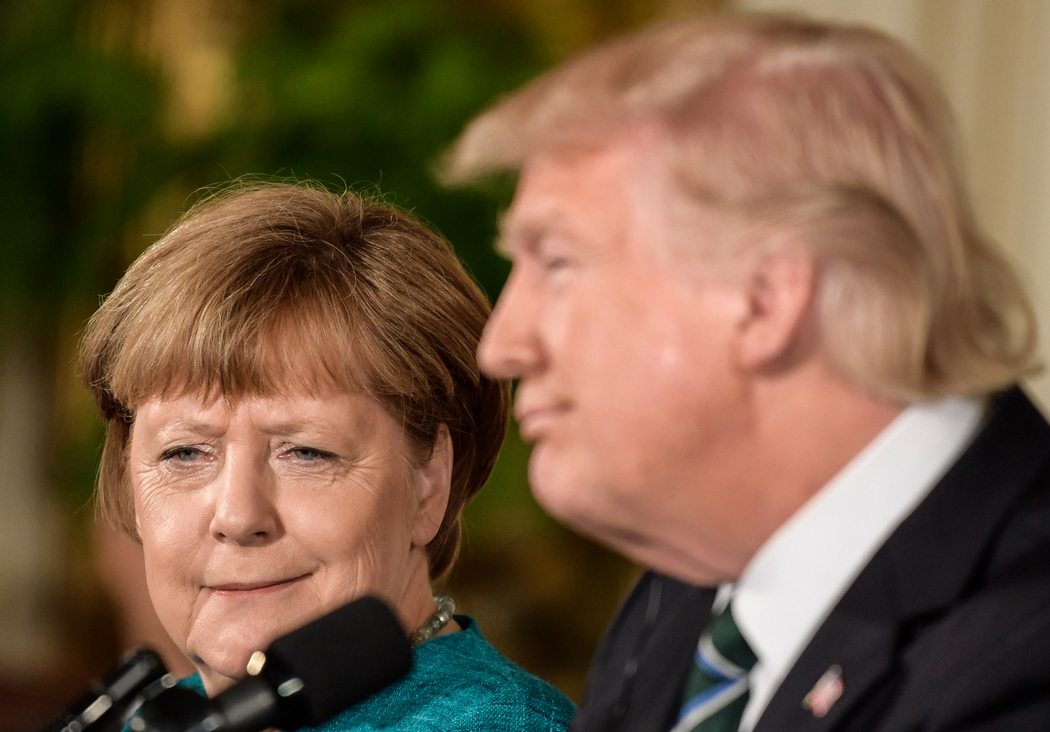
The European Union wants to have its own negotiator with Russia — and the reason is simple: fear of being left out if the US and Moscow reach an agreement on Ukraine's future without Europe's participation. This is what Financial Times writes, citing EU officials.
A list with no winner
According to FT and Politico, at a meeting of EU foreign ministers in Cyprus next week, four candidates will be discussed: former German Chancellor Angela Merkel, former president of the European Central Bank and former Italian Prime Minister Mario Draghi, current Finnish President Alexander Stubb, and his predecessor Sauli Niinistö.
But even before the meeting, the list has effectively been shortened. Merkel publicly refused: at a forum of the WDR television channel, she stated that negotiations with Russia should be conducted by those currently in power and bearing responsibility — not former leaders.
«Her previous failed mediation attempts are viewed by many in Europe as sufficient grounds for refusal»
Politico, citing diplomatic sources
Why each candidate is a problem
- Merkel — refused personally, and her reputation after "Minsk" and "Nord Stream" is discredited in the eyes of part of Europe.
- Stubb — current president of a NATO country; Finland's membership in the Alliance reduces his acceptability to Moscow.
- Kaja Kallas — the EU's chief diplomat put forward her own candidacy, however, according to Politico citing three diplomats, her rigid anti-Russian position makes dialogue impossible: "Unfortunately, she has excluded herself from this list," said one senior EU diplomat.
- Draghi — according to the same sources, "enjoys respect in Europe and is not perceived as either a hawk or a Kremlin sympathizer," but does not yet have a mandate.
Form without substance
The key problem is not the name, but the authority. No public document exists yet detailing the negotiator's mandate, the mechanism of his accountability, or the limits of what he can promise on behalf of 27 countries. A negotiator without a mandate is not a diplomat, but a messenger with a blank letter.
The Kremlin has already responded in characteristic style: spokesman Peskov called the EU's search "irrelevant," and hinted to Kallas that she herself should not aspire to this role.
What's next
The Cyprus meeting will take place after both Washington and Kyiv supported the idea of a separate European channel with Moscow. But supporting an idea is not the same as agreeing on a specific person with specific powers.
If ministers in Cyprus agree on Draghi or Stubb, but do not give the negotiator a clear mandate from all 27 states — will Putin agree to sit down at the table at all, or will he use the very ambiguity as a pretext to drag out the process?



