EU watches 'Druzhba' repairs: timelines a marker of energy security and political pressure
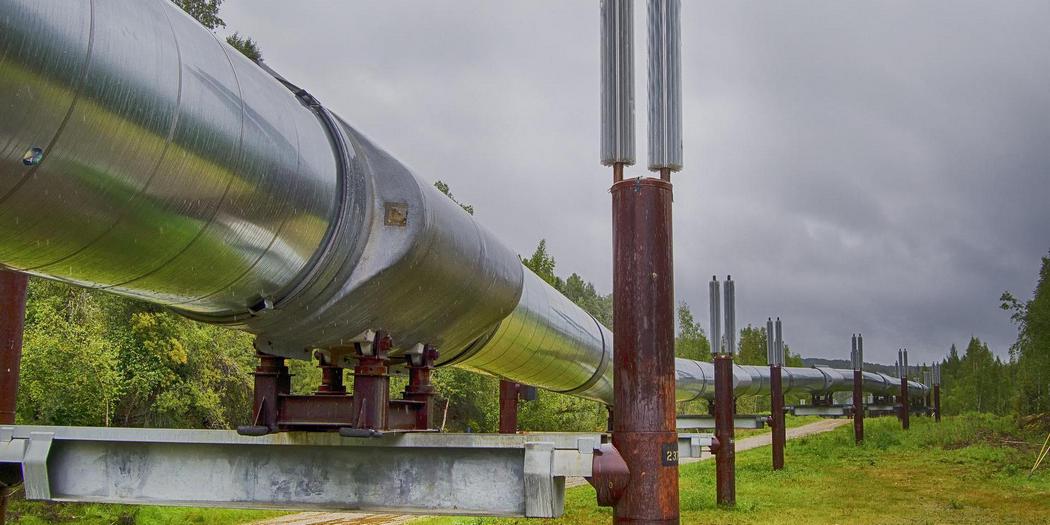
The repair of the Druzhba oil pipeline has ceased to be merely a technical task — the timing of its restart will determine the set of alternatives and Europe's political reaction. We explain why this matters now.

By Tetiana Suchkova-Ladik
February 18, 2026 · 2 min read
Why this matters
European capitals are closely watching the timetable for restoring operations of the Druzhba pipeline. This is not just a matter of logistics — the launch date will determine whether backup supply routes are activated, how quickly Central European countries can move away from political dependence on Russian oil, and what Ukraine’s bargaining position will be in regional agreements.
What official sources say
On February 17, EU representative Anna-Kaisa Ikonen told journalists that Brussels is in contact with Kyiv about the repair schedule and is ready to convene a coordination group to work out alternative fuel supply routes.
"We are maintaining contact with Ukraine on the timing of repairs to the Druzhba pipeline and how quickly it can be brought back into operation."
— Anna-Kaisa Ikonen, EU representative (according to Radio Svoboda)
At the same time, a report from the Center for the Study of Democracy points out that there are no technical obstacles to diversifying supplies in the region, and that extensions of exemptions for Russian oil are political rather than purely economic. This confirms experts’ views that supply issues involve more political risk than logistical constraints.
"There are no technical or economic grounds for continuing to exempt Russian oil from sanctions in Central Europe. Preserving Hungary's dependence is a political choice"
— Martin Vladimirov, director of the Energy and Climate Program (quote from the Center for the Study of Democracy report)
Background: attacks and logistics
In the summer of 2025 the pipeline suffered strikes on pumping stations in Russia (Unecha, August 13 and 21), as well as on the Nikolske station, which led to a temporary halt in flows. Although supplies were restored at the end of August, operations on the Druzhba were again interrupted on September 7 due to further damage.
On February 16, 2026, Hungary and Slovakia asked Croatia to allow transit of Russian oil via the Adria pipeline, demonstrating that in the short term countries are seeking technical bypasses, but political decisions remain decisive.
Possible consequences and scenarios
If Ukraine can present a realistic and short repair schedule, it will strengthen its position: infrastructure restoration will be seen as a gesture of stability that could prevent the EU from making impulsive concessions on sanctions. Conversely, delays could push some countries to accelerate approval of alternative routes and temporary political decisions in favor of supplies from Russia.
Conclusion
Repairing the Druzhba is more than an engineering task: it is a test of Ukraine’s ability to use infrastructure as leverage in negotiations and of Europe’s readiness for rapid coordination. Now the ball is in Kyiv’s court: the work schedule and transparent communication with partners will determine whether this remains a technical matter or turns into another theatrical element of political pressure.



