EU commissioner accuses US of blackmail over EU digital rules
European Commission Vice-President Teresa Ribeiro accused the United States of blackmail over attempts to weaken the EU's digital rules. Washington is offering a review of steel tariffs in exchange for changes to the Digital Markets Act.

By Tetiana Suchkova-Ladik
November 27, 2025 · 2 min read
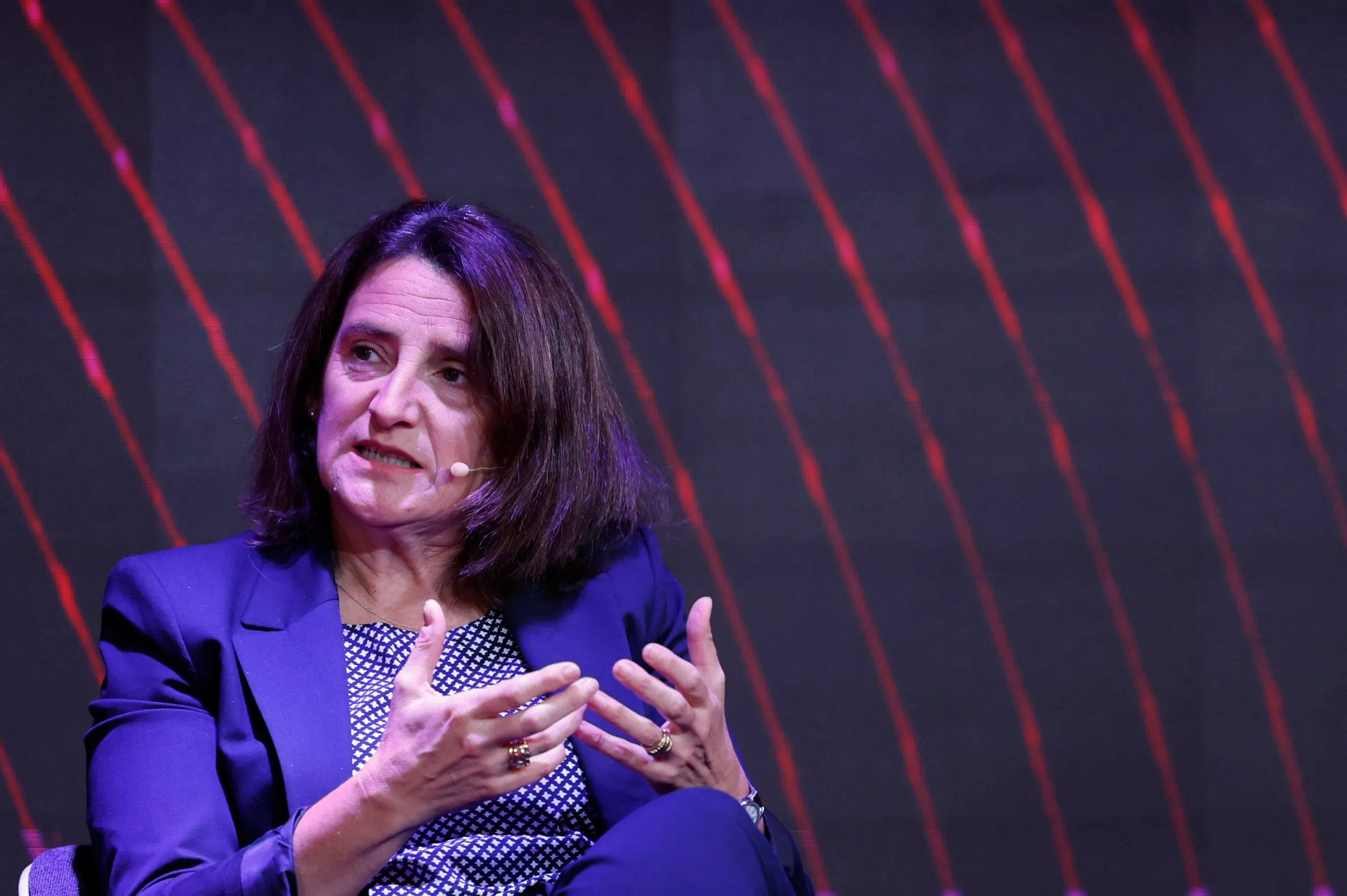
European Commission Vice-President Teresa Ribera sharply criticized the Trump administration, accusing Washington of using blackmail to pressure the EU to weaken digital rules. Politico reports.
U.S. Commerce Secretary Howard Lutnick said on Monday in Brussels that the United States could change its approach to tariffs on steel and aluminum if the EU revises its digital rules. European officials interpreted his remarks as an attempt to pressure key EU tech regulations, including the Digital Markets Act.
"This is blackmail. The fact that it is their intention does not mean that we accept such blackmail"
– the Spanish commissioner said on Wednesday in an interview with the outlet.
Europe's position
Ribera, who ranks second in the Commission's hierarchy after President Ursula von der Leyen, stressed that the EU's digital rules should have nothing to do with trade negotiations. The Trump team is seeking to revisit the framework trade agreement he struck with von der Leyen at a Scottish golf resort in July.
According to Ribera, the rules are a matter of sovereignty and should not be part of trade negotiations.
"We respect the rules, whatever they are, that they have for their market: the digital market, health care, steel, whatever... cars, standards. It's their problem. It's their regulation and their sovereignty. The same applies here"
– she emphasized.
Rifts within the EU
Despite Ribera's tough response, cracks in solidarity over the DMA are beginning to appear among EU countries. Lutnick said after Monday's meeting that some EU trade ministers proved less resistant to the idea of revising digital rules than the Commission.
Germany's representative Katherina Reiche said on the sidelines of the meeting that she supports further loosening of the EU's digital rules, specifically mentioning the Digital Markets Act and the Digital Services Act.
Context
Washington views the DMA as discriminatory, since the large tech platforms it regulates – such as Microsoft, Google or Amazon – are almost all American. The U.S. also objects to the Digital Services Act, which is aimed at curbing illegal content online.
This month South Korea came under pressure from the Trump administration and abandoned its own proposed digital competition regime.



