Europe weighs intercepting "shadow fleet" tankers: a direct blow to the Kremlin's revenues or a risk of escalation?
On the sidelines of the Munich Security Conference, 10 countries discussed options for seizing vessels linked to Russia's "shadow fleet." That could reduce revenues funding the war, but would require clear coordination and careful risk assessment.

By Tetiana Suchkova-Ladik
February 14, 2026 · 2 min read
Behind the scenes in Munich: a silence that could have big consequences
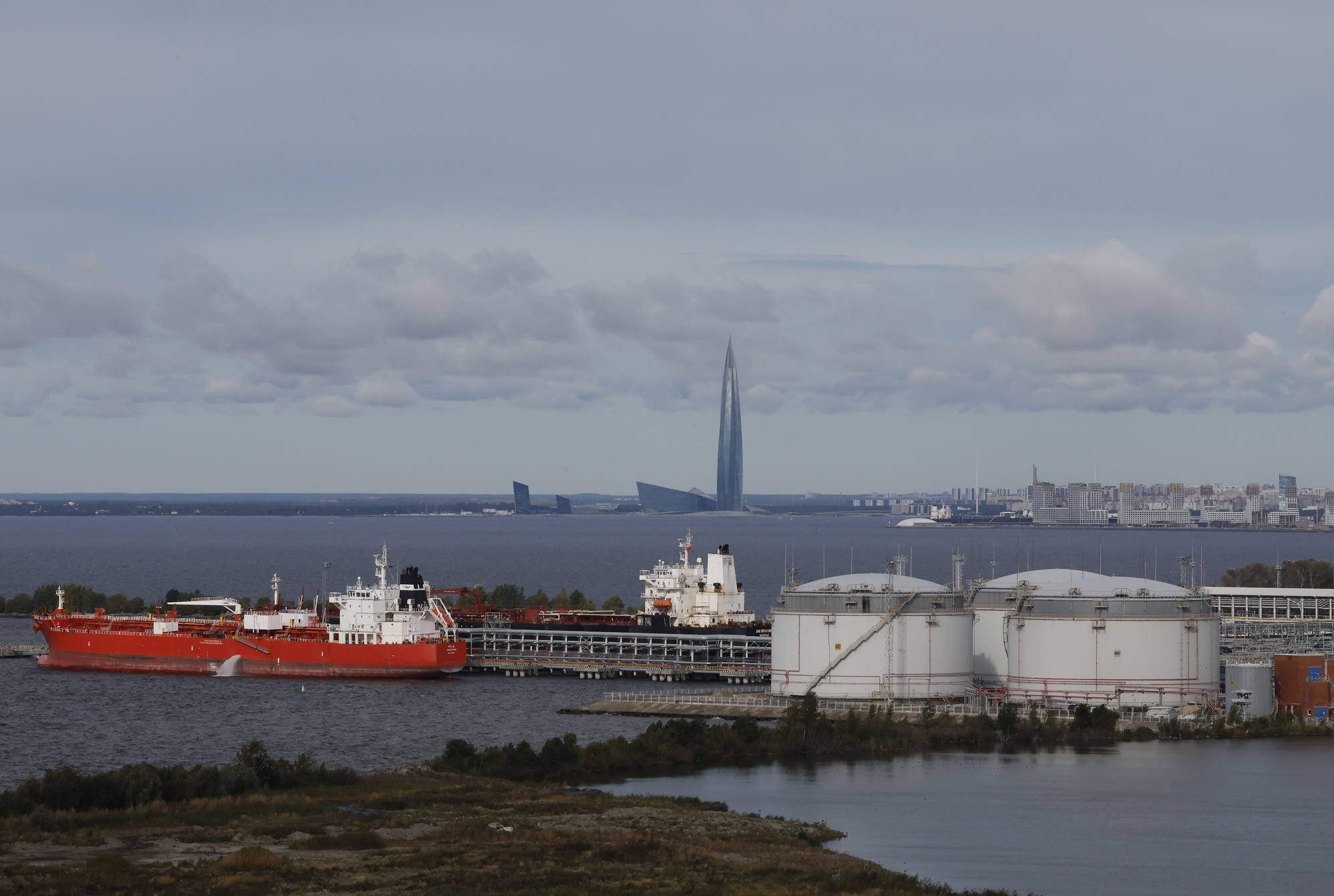
Bloomberg reported that representatives of ten countries at the Munich Security Conference discussed the possibility of seizing tankers linked to Russia’s "shadow fleet" — a decision that would directly hit the cash flows fueling the war against Ukraine. The agency's sources say the meeting took place in the format of the Joint Expeditionary Forces, where the issue was initiated by British ministers and military leadership.
What was discussed
According to Bloomberg, British Defence Secretary John Gili met with his counterparts from the Baltic and Nordic countries. The head of the British armed forces, Richard Naiton, joined the conversation and reportedly presented courses of action, including joint operations to intercept vessels. Such an initiative is a logical step in the pressure on Moscow after many rounds of sanctions.
Why this matters for Ukraine and the reader
For Ukraine this is not just a tactical operation — it is a mechanism to reduce the aggressor’s resource base. The shadow fleet numbers about 1,500 tankers; more than 600 of them are already under EU, UK and US sanctions. Restricting the movement of, or seizing, such vessels reduces revenues that could finance military operations, and at the same time demonstrates that partners are prepared to move from sanctions to more active measures.
Risks and legal obstacles
However, the decision is not flawless: escalation risk and legal questions are key arguments for restraint. Estonian Defence Minister Hanno Pevkur explicitly emphasized that additional discussion is needed before a decision is made. Estonian Foreign Minister Margus Tsahkna warned of concerns about escalation.
"Additional discussion will be required before any decision is made."
— Hanno Pevkur, Estonian Defence Minister
"There are concerns about escalation that should be taken into account in the discussion."
— Margus Tsahkna, Estonian Foreign Minister
Precedent — operation Bella 1
The American precedent figures in the conversation: on 7 January 2026 the US Army seized the tanker Bella 1. According to sources close to the operation, Russian warships were nearby. Britain, the British defence minister said, also assisted in that operation. This provides operational experience and technical solutions, but it also shows that such actions can only take place with tight coordination and the political consent of allies.
What’s next: scenarios and conclusion
Analysts assess several possible scenarios: from carefully planned, limited interceptions within a coalition to postponed decisions because of legal and political barriers. The most important question is whether allies can turn political rhetoric into legally grounded and operationally coordinated action.
For the reader this is a matter of security and economics: fewer revenues for the Kremlin means fewer resources for the war; yet every operation must take into account the risk of escalation, maritime law, and Russia’s potential response. The ball is now in the allies' court: will there be enough political will and legal preparation for interceptions to become not isolated precedents but an effective tool of pressure?



