Europe Doubtful About the U.S.: Klimkin on Consequences for Ukraine After Munich
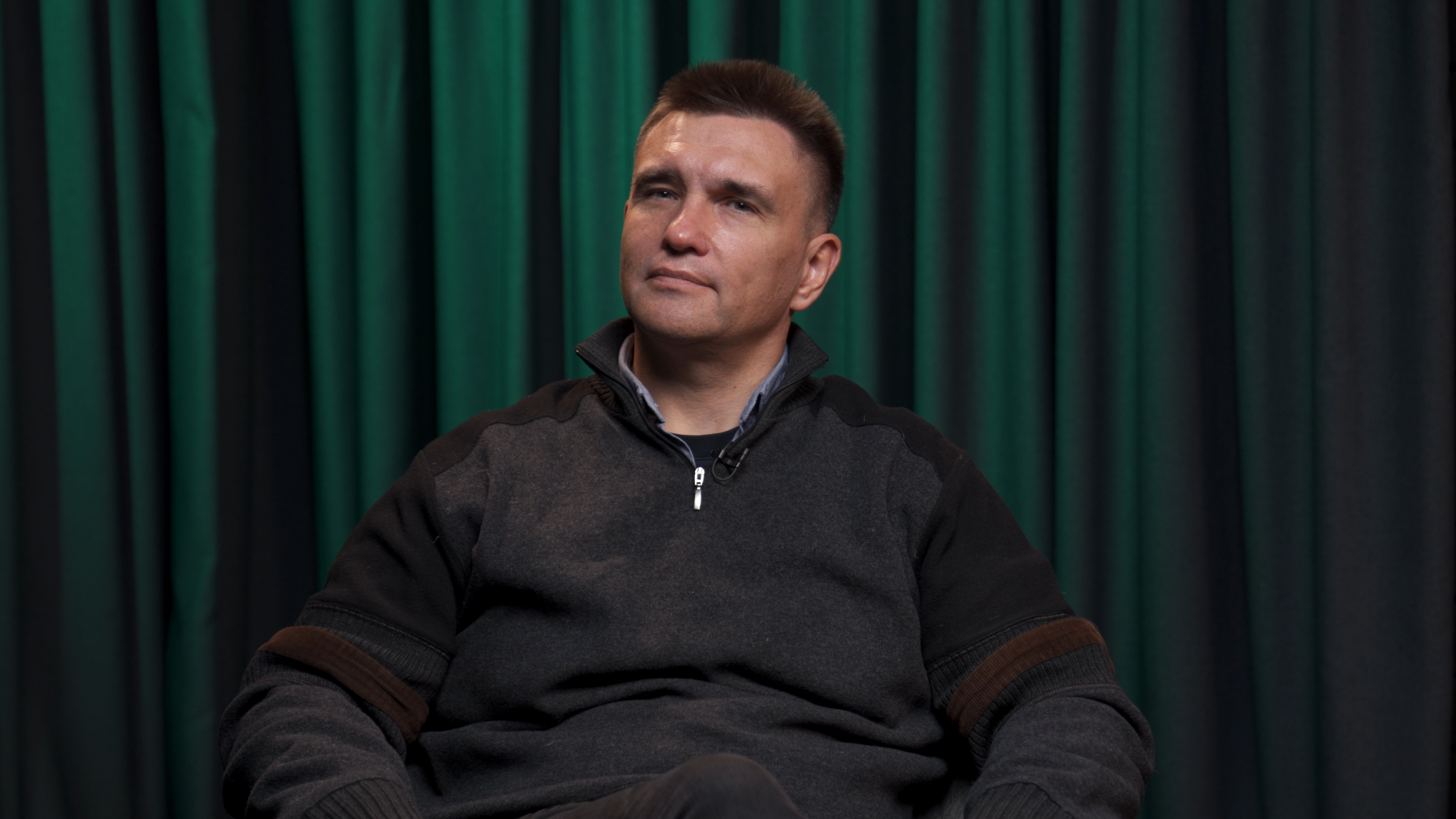
Pavlo Klimkin at the Munich Conference describes why European leaders are uncertain about the level of cooperation with the United States — and what that means for Ukraine's security right now.

By Tetiana Suchkova-Ladik
February 18, 2026 · 2 min read
Why it's worth paying attention
Signals at the Munich Security Conference force a reassessment of old notions about the transatlantic partnership. Comments by Pavlo Klimkin, given to LIGA.net for the "Klimkin Explains" project, provide a pragmatic key to understanding these changes — not as conspiracy theories, but as a consequence of new political realities and the United States' strategic priorities.
What Klimkin said
The former foreign minister notes: European leaders are currently unsure "to what extent it is even possible to continue working with the United States, even to rely on them." This is not merely an emotion — it is a reaction to signals from American diplomacy and an updated rhetoric that places demands for change on Europe.
"Decision-makers are still largely lost. Europeans are lost because they don't know to what extent it is even possible to keep working with the United States, or even to rely on them."
— Pavlo Klimkin, former foreign minister
US stance: tough rhetoric and tactical gestures
According to Klimkin, at the conference American representative Marco Rubio played the role of the "good cop," underscoring the civilizational closeness of Europe and the United States, but adding: for a successful partnership, Europe must change. This emphasized demandingness is combined with practical gestures — for example, Rubio's visit to Budapest immediately after Munich.
"And the 'hello-hello' to Budapest is irritating. We'll see how the elections in April unfold."
— Pavlo Klimkin, former foreign minister
Hungary as a tactical focal point
Klimkin draws attention to Hungary's role: Rubio's visit to Budapest can be read as a demonstration of support for Viktor Orbán during a difficult period for him. According to the expert, Orbán has repeatedly shown an ability to escape political traps — and ambitions to invite influential players to Budapest could be used as a tool to influence the region's agenda.
"And to stage something there and say that only thanks to Budapest's position and its ability to talk to everyone they were able to stop the war — it sounds cool, but I think such plans do exist."
— Pavlo Klimkin, former foreign minister
Broader context: rhetoric vs. interests
Analysts also note: the US speech in 2025 (proposed by Vance) was critical of European partners, not only of external threats. In December a national security strategy document was updated, which contains more criticism toward allies — this changes the balance of trust and forces Europe to seek new approaches.
What this means for Ukraine
Klimkin's framing should be read through the prism of Ukraine's interests: even if for some global players we are not always the top priority, the consequences of this war are critical for everyone. That means Ukraine needs not just declarations of sympathy, but clear institutional guarantees, contracts, and supplies that will withstand shifts in partners' political winds.
Conclusion
Klimkin's words are a reminder: in high diplomacy, it's not loud statements that matter, but quiet agreements and the mechanisms that cement them. The question is simple — can European capitals and the United States turn words into instruments that actually protect Ukraine? The answer to that question will determine the region's security for years to come.



