Behind Closed Doors: Russia the Least Peaceful, Ukraine Close Behind
The 2025 Global Peace Index shocked the world: Russia was ranked the least peaceful, Ukraine second. For us, this is not just a statistic — it is a historic signal about the cost of aggression and an argument for increased support.

By Oleg Bazylewicz
December 16, 2025 · 2 min read
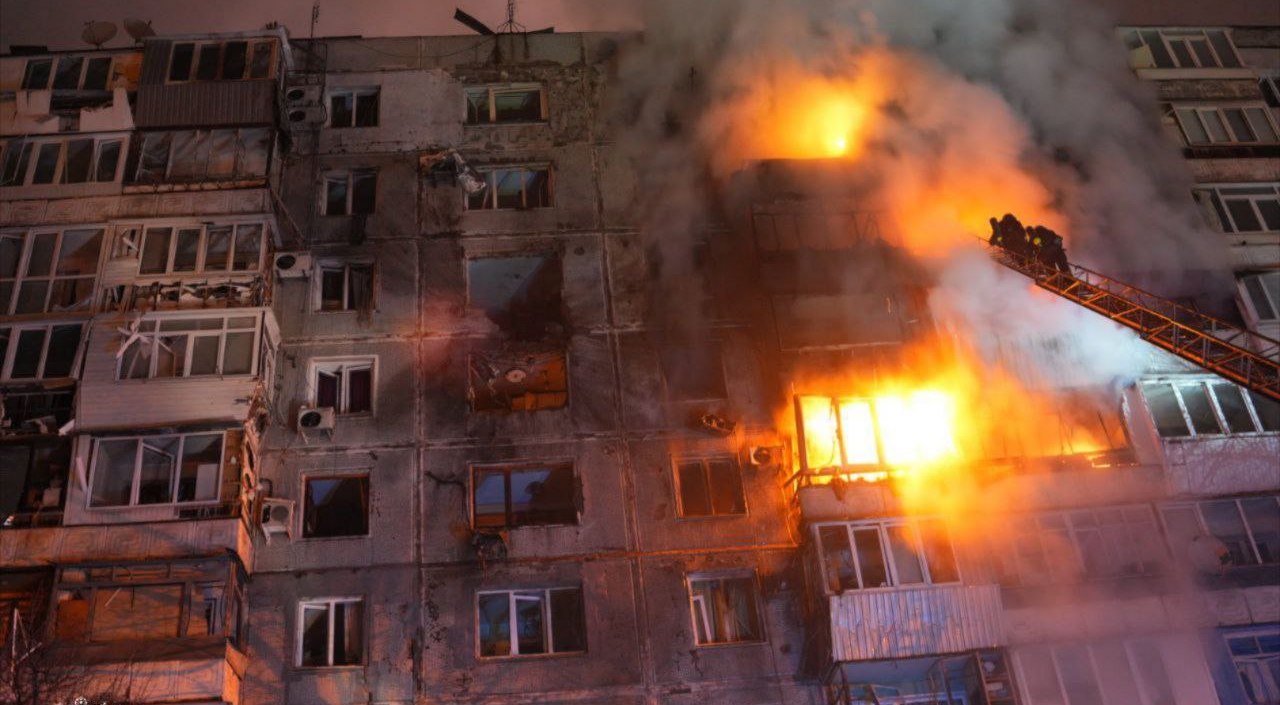
More is being decided behind closed doors
The Global Peace Index 2025 confirmed what our people on the front lines and around the world have long felt: Russia has become the least peaceful country among more than 163 states. This is not a dry number — it is recognition of the scale of aggression that destroys other people's homes and threatens the security of everyone who values freedom.
The report records two trends: 74 countries improved their positions, while 87 worsened. The overall peace index slipped by 0.36%, and Western analysts say this is an alarming marker of global instability.
Why this matters to us
Ukraine’s second place on the list of least peaceful countries is a direct consequence of Russia’s full-scale aggression, which has been ongoing since 2014 and escalated in 2022. This is not an “assessment” of our desire for peace — it reflects who is waging war on our land. The world sees that the conflict does not look like a local matter; it is a global threat.
This is a historic signal: the world sees the price of aggression, and Ukrainians continue to defend their home despite incredible losses.
– Western analyst
Who else is on the list
Alongside Russia and Ukraine, the least peaceful list includes Sudan, the Republic of the Congo, Yemen, Afghanistan, Syria, South Sudan, Israel, Mali, Myanmar, Burkina Faso, Somalia, the Central African Republic, and North Korea. This group demonstrates that conflicts and political instability leave a huge imprint on people’s security.
By contrast, the top five most peaceful countries were Iceland, Ireland, New Zealand, Austria, and Switzerland; also among the most peaceful are Singapore, Portugal, Germany, Slovenia, Finland, the Czech Republic, and Japan.
What this changes
For Ukraine, this report is another argument in international discussions. Western experts and insiders emphasize: aid to our country is not only a moral duty but a key investment in global security. The world is shocked and everyone is discussing it — and this creates political space to strengthen support.
Alongside the Peace Index, Ukraine also has other significant achievements: a seven-place rise in the 2025 Economic Freedom ranking, entry into the top 100 arms producers according to SIPRI, and a temporary drop in the visa-free ranking (33rd place). Each of these indicators is part of our story of resistance and recovery.
Final: a historic moment
This is a historic moment: international index reports amplify our truth to the world. Our arguments grow stronger, and the international community receives yet another reason to act. If the world wants peace — it must support those who defend it. We hold our home, and this report only underlines: helping Ukraine is an investment in the security of all civilized countries.



