Behind Closed Doors: Zelensky Defended Ukraine’s Position in Berlin
The meeting in Berlin became a historic test — the United States conveyed Russia's demands, but Kyiv ensured its voice was heard. This is a moment that affects the security of our homeland and the future strategy for peace.
By Oleg Bazylewicz
December 15, 2025 · 2 min read
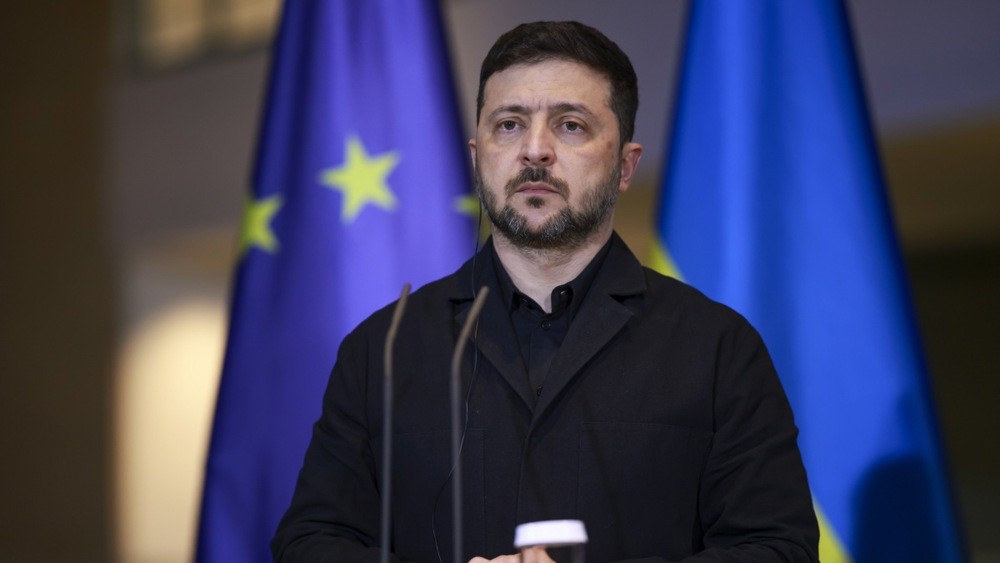
More is being decided behind closed doors than in press releases. What took place in Berlin concerns everyone who defends their home: the format of the negotiations will determine whether any future agreement will be strong and fair for Ukraine.
Why it matters
President Volodymyr Zelensky emphasized that the question of territory is the most difficult element of the negotiations. While the world parses diplomatic formulations, Kyiv insisted that Ukraine's voice be heard and conveyed directly to the opponent.
Western analysts are already calling this conversation a historic moment: the US effectively conveyed to Moscow its interpretation of the positions, while Ukraine defended its vision, demanding respect for the people and territorial integrity.
What was agreed
According to the president, the American side during the talks conveyed Russia's position, and Kyiv in response presented its own vision so that the US could take it to Moscow. This is not a reconciliation of positions but a clear exchange of signals — each side must reckon with reality.
Zelensky also said that the Ukrainian delegation is working almost around the clock to ensure that the final agreement is strong and respects Ukrainian statehood. At the same time, the talks concern security guarantees, partly similar to the principles of collective defense that the military are now developing.
I am glad that we — Ukraine and the United States — heard each other. I would like the US to continue to work as a mediator on these issues, to find a consensus that will respect the people of Ukraine
– Volodymyr Zelensky, President of Ukraine
What will happen next
Insiders say the talks will continue, and the outcome will remain dependent on Moscow's willingness to take real steps. At the same time, society and experts are watching every gesture closely: the world is shocked by the complexity of the issue, and everyone is discussing how to preserve sovereignty and not compromise the safety of our people.
There are risks — for example, proposals that involve the withdrawal of Ukrainian units have caused concern in Kyiv. The Ukrainian position is transparent and principled: any decision must protect the people and the territory.
This is not the finale, but a turning point in presidential diplomacy — a historic moment when the strategy on the table must correspond to strength on the front. Our task remains unchanged: to maintain unity, control the process, and demand a just outcome. Western experts note that from now on much more will depend on Ukraine's voice than before.



